
As organizations evolve, technical workflows become more efficient and more structured. For example, tasks that once required multiple steps can now move faster through improved systems. Because of this shift, teams can focus more on strategy, communication, and decision-making.
At the same time, these changes introduce new questions about how work is defined. While systems reduce repetitive tasks, people still provide interpretation, leadership, and long-term direction. Therefore, the balance between automation and human insight continues to shape how businesses operate.
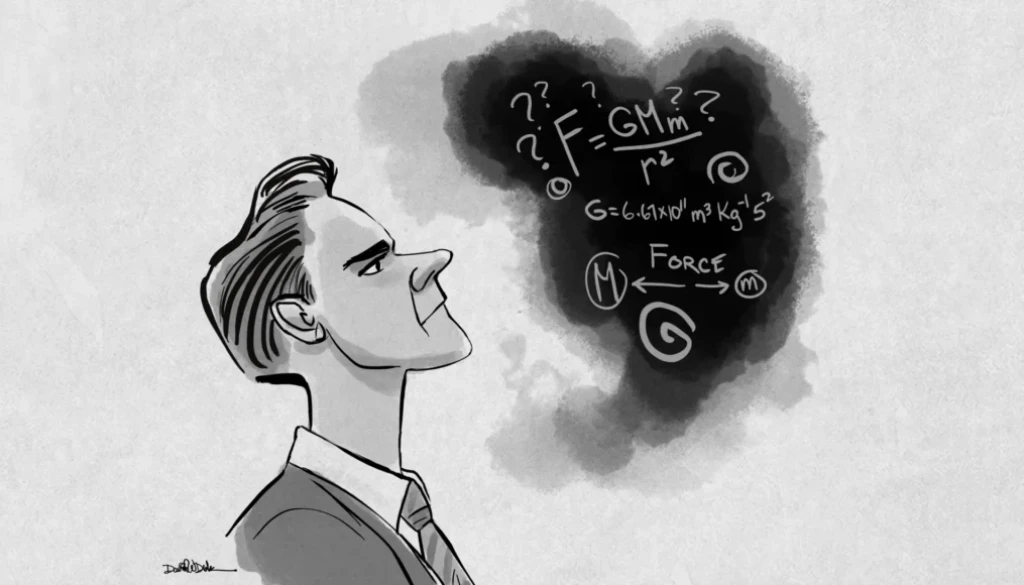
In addition, this concept illustration connects to a broader discussion about how workflows continue to change in real-world environments. As systems improve, organizations must also adapt their structure, roles, and expectations.
For a deeper exploration of these ideas, see the full article on
AI in business workflows.
For additional global insights, refer to
the World Economic Forum’s Future of Jobs Report.