
A Tribute to Classic Television Comedy
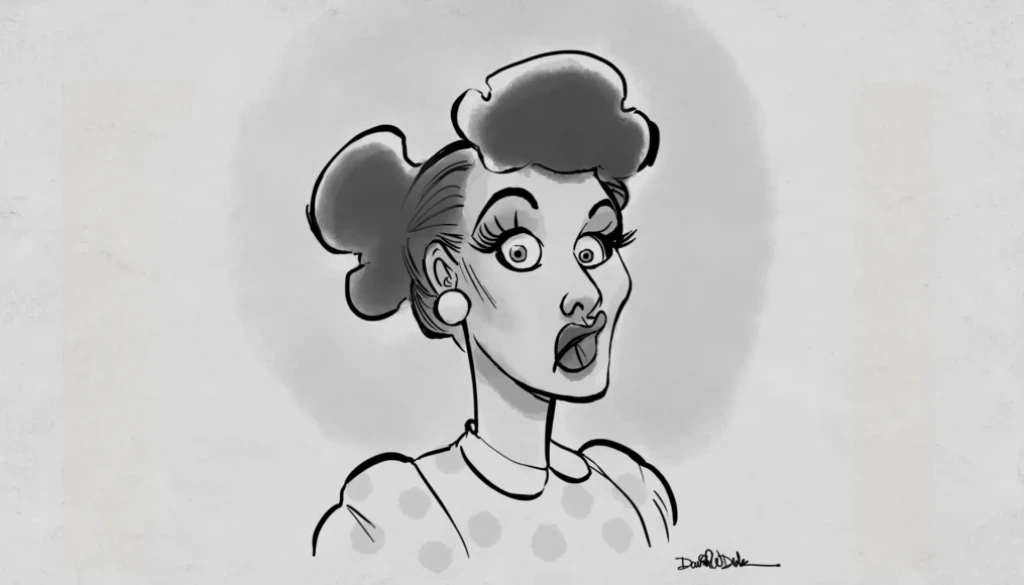
This retro-inspired illustration was created as hero artwork for a DerksWorld feature exploring the lasting cultural impact of classic television comedy. Inspired by the timeless charm of I Love Lucy, the artwork captures the warmth, humor, and visual style associated with the golden age of television.
The piece blends vintage television aesthetics with modern editorial illustration techniques. As a result, the image feels both nostalgic and contemporary. The retro styling, expressive characters, and classic sitcom atmosphere all pay tribute to an era when television comedy helped shape American pop culture.
Celebrating the Golden Age of Television
Classic sitcoms like I Love Lucy changed the entertainment industry forever. They introduced new approaches to comedy, performance, and television production that still influence modern shows today. In addition, these early television programs created a shared cultural experience for audiences across the country.
This illustration reflects that sense of connection and nostalgia. The vintage-inspired composition evokes the excitement of gathering around the television during the early years of network entertainment. Meanwhile, the exaggerated expressions and retro design elements celebrate the energy and humor that defined classic sitcom storytelling.
The artwork also explores how older television aesthetics continue to inspire modern creators, designers, and entertainment writers. Even decades later, the visual language of classic TV remains instantly recognizable and emotionally powerful.
Nostalgia, Comedy, and Pop Culture
The image was designed specifically for a DerksWorld editorial feature examining nostalgia in entertainment and the enduring influence of classic television comedy. The article explored how vintage sitcoms continue to shape streaming culture, audience expectations, and modern comedic storytelling.
Rather than creating a direct recreation of a television scene, the artwork focuses on capturing the emotional feeling of retro television culture. Because of that approach, the illustration works as both a nostalgic tribute and a modern editorial statement about entertainment history.
Readers interested in classic television analysis, retro entertainment culture, and creator-focused editorial content can explore additional features on DerksWorld. More experimental and stylized illustration work is also available through String Theory Cartoons.