YouTube Creators Who Changed the Platform
When YouTube was still dismissed as a collection of cat videos and amateur uploads, the YouTube creators who changed the platform saw something bigger.
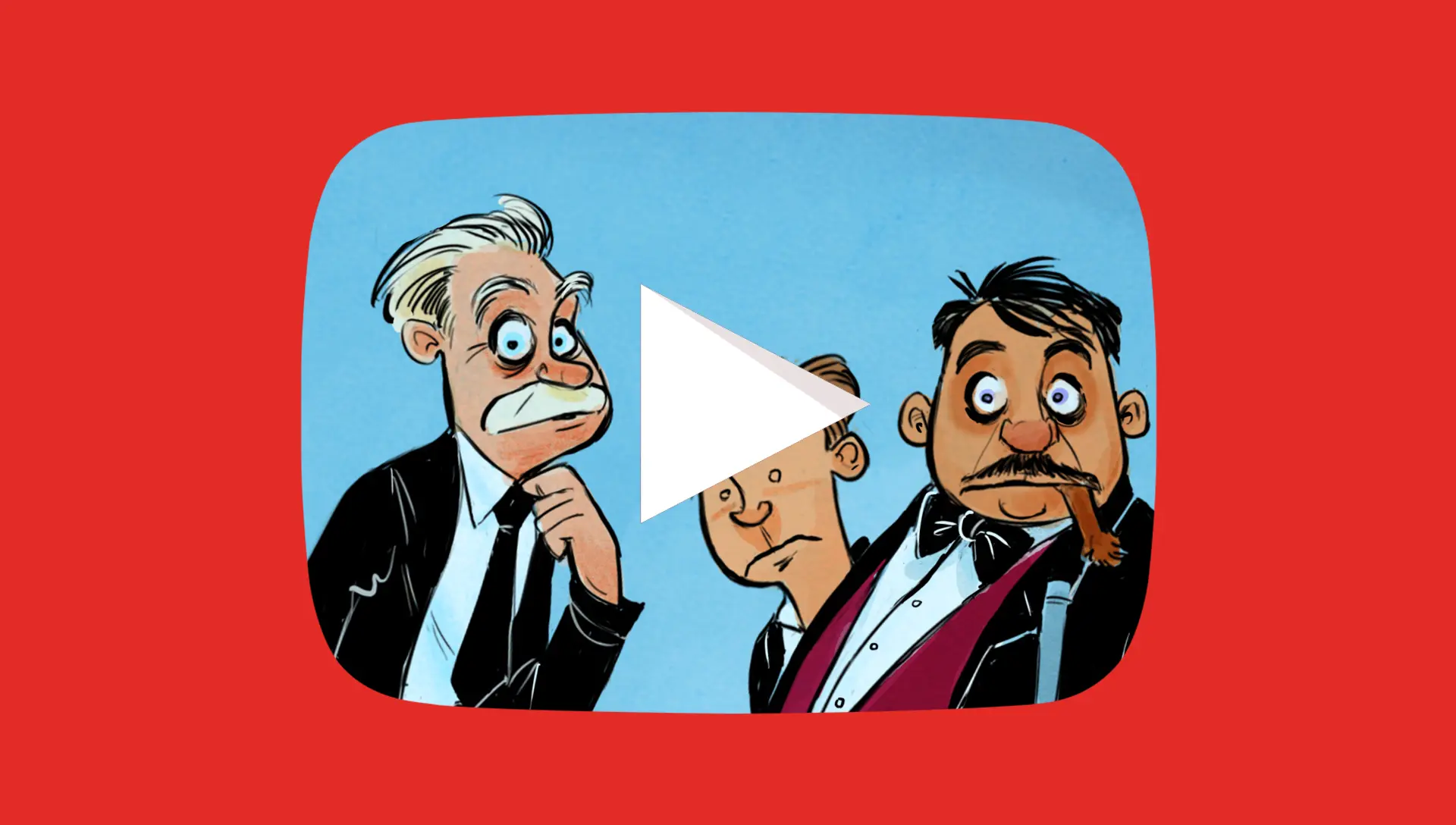
YouTube creators who changed the platform helped reshape entertainment in ways few people in the industry saw coming when I first started working in media over two decades ago. At the time, YouTube was often viewed as little more than a curiosity. Many executives I worked with didn’t understand why anyone would spend time watching it. The platform was filled with cat videos, homemade comedy sketches, grainy VHS uploads, and clips pulled from old television shows. Most people saw it as a place for distractions rather than a serious competitor to traditional media.
Back then, television networks, movie studios, and cable channels still controlled the conversation. If you wanted to reach a mass audience, you needed an agent, a distribution deal, and lots of industry contacts. YouTube felt more like a hobby than a business.
Of course, history had other plans.
Over the years, YouTube evolved from a collection of amateur videos into one of the most influential entertainment platforms in the world. However, that transformation didn’t happen on its own. The platform grew because creators discovered new ways to tell stories, build communities, and connect directly with audiences. Among them were several YouTube creators who changed the platform forever and influenced how online entertainment works today.
YouTube was once dismissed by many people in traditional entertainment as a place for amateur videos and recycled clips.
A handful of creators helped prove that online video could compete with television, film, and established media brands.
These four creators did not simply succeed on YouTube. They helped change what YouTube could become.
Television once controlled the audience. YouTube creators helped move that power directly into the hands of the viewer.
While thousands of successful channels emerged along the way, a handful of creators changed the platform itself. Rather than simply finding success on YouTube, they helped redefine what online entertainment could become.
These are four YouTube creators who changed the platform and rewrote the rules of digital media.
1. PewDiePie Proved That Personality Could Beat the Network
Among the YouTube creators who changed the platform, few had a bigger impact than PewDiePie. When Felix Kjellberg, better known as PewDiePie, began uploading videos, traditional media still dominated popular culture. Television networks controlled distribution, movie studios controlled major franchises, and celebrities typically emerged from established entertainment pipelines.
However, PewDiePie challenged that model. Without a network, a studio, or a marketing department behind him, he built one of the largest audiences in the world. More importantly, he demonstrated that audiences were increasingly willing to follow individuals rather than brands.
For decades, television executives believed audiences followed networks. PewDiePie proved they were wrong. Viewers cared less about the logo in the corner of the screen and more about the person talking directly to them.
As his audience grew, the entertainment industry began paying attention. Suddenly, creators operating from bedrooms and home offices were attracting audiences that rivaled major television programs. That shift helped change the way the industry looked at online personalities, digital communities, and creator-driven entertainment.
Today, the creator economy is built on the same principle that helped fuel PewDiePie’s rise: people often connect more deeply with authentic personalities than with traditional media brands.
Visit PewDiePie’s official YouTube channel.
2. Casey Neistat Turned the Vlog Into Cinema
Casey Neistat remains one of the YouTube creators who changed the platform through storytelling rather than scale alone. While many creators focused on talking directly into webcams, Casey approached YouTube from an entirely different perspective.
Drawing upon his filmmaking background, Casey transformed ordinary moments into compelling visual stories. Whether he was riding through New York City on a skateboard, catching a flight across the world, or documenting a business meeting, he treated each experience as an opportunity to create a narrative.
Casey Neistat helped teach creators that production value was not only about the camera. It was about rhythm, point of view, pacing, editing, and storytelling.
Consequently, his videos felt less like internet content and more like miniature documentaries. He gave YouTube a sense of movement, rhythm, and cinematic possibility at a time when much of the platform still felt rough and improvised.
Furthermore, Casey demonstrated that production value wasn’t simply about expensive cameras. Instead, it was about storytelling, pacing, editing, and perspective. Through his work, he showed an entire generation of creators that online video could feel personal, immediate, and beautifully crafted at the same time.
Even now, many of the techniques commonly associated with modern vlogging can be traced back to Casey’s influence.
Visit Casey Neistat’s official YouTube channel.
3. Ryan Kaji Reinvented Children’s Entertainment
Ryan Kaji proved that YouTube creators who changed the platform could also transform entire industries. For decades, children’s entertainment followed a familiar formula. Television networks developed programming, toy companies created merchandise, and large media corporations controlled distribution.
Ryan helped disrupt that system. What began as a simple YouTube channel featuring toy reviews eventually evolved into a global entertainment brand with merchandise, licensing agreements, television projects, and retail partnerships.
More significantly, Ryan’s success revealed a major shift in audience behavior. Children no longer needed television networks to introduce them to new personalities. Instead, they could discover creators directly through digital platforms and build relationships with them in ways previous generations never could.
As a result, the line between creator, brand, and media company became increasingly blurred. A YouTube channel was no longer just a place to upload videos. It could become the foundation for a full-scale entertainment business.
Many of today’s creator-led businesses continue to follow a blueprint that Ryan’s World helped establish.
Visit Ryan’s World’s official YouTube channel.
4. Khaby Lame Proved That Great Content Does Not Need Dialogue
Khaby Lame joined the ranks of YouTube creators who changed the platform by reaching a global audience without relying on dialogue. At a time when many creators were investing in larger budgets and increasingly elaborate productions, Khaby succeeded by moving in the opposite direction.
His videos often featured silent reactions to absurdly complicated life hacks and internet trends. Despite their simplicity, they resonated with audiences around the world because viewers immediately understood the joke.
Without relying on language, Khaby created content that could travel effortlessly across cultures and borders. As a result, he demonstrated that visual storytelling remains one of the most powerful forms of communication.
In a global media environment, simplicity can travel faster than language. Khaby Lame understood that better than almost anyone.
In an era where many creators believed success required doing more, Khaby showed the power of doing less. His work reminded audiences and creators alike that clarity, timing, and relatability often matter far more than production budgets.
Sometimes the simplest idea is the most powerful one.
Visit Khaby Lame’s official YouTube channel.
Why YouTube Creators Who Changed the Platform Still Matter
Although these creators work in very different genres, they share one important characteristic. Each one expanded the boundaries of what was possible on YouTube at a time when the platform was still defining itself.
PewDiePie demonstrated that creators could rival traditional television stars. Meanwhile, Casey Neistat showed that cinematic storytelling could thrive outside Hollywood. Ryan Kaji transformed the idea of what a creator-led brand could become, while Khaby Lame reminded the industry that powerful storytelling doesn’t always require expensive production or even spoken dialogue.
Taken together, these YouTube creators who changed the platform helped shape the culture of modern online entertainment. They influenced how creators approach content, how audiences engage with media, and how companies think about digital platforms.
Most creators learn the rules of a platform and attempt to master them. These creators changed the rules for everyone who followed.
Looking back, what strikes me most is not how successful these creators became. It’s how easy it was for the entertainment industry to miss what was happening.
While many executives dismissed YouTube as a collection of cat videos, homemade sketches, and recycled television clips, a new generation was quietly building the future of entertainment. They weren’t waiting for network deals. They weren’t asking for permission. They simply picked up a camera, pressed record, and found an audience.
Today, YouTube reaches more people than many television networks ever did, and entire media companies have emerged from bedrooms, garages, and spare offices. Yet when YouTube first appeared, few people in the entertainment industry took it seriously. That is what makes these creators worth remembering.
These creators didn’t just build audiences or launch successful channels—they helped transform YouTube from a curiosity into one of the most influential entertainment platforms in the world.
Related Reading
Continue exploring the changing entertainment landscape through DerksWorld’s coverage of movies, culture, and animation.