Why Brands Are Building Worlds Instead of Buying Ads
The companies winning right now aren’t louder. They’re deeper. Here’s what changed, and why the businesses that understand it will feel more alive than the ones that don’t.
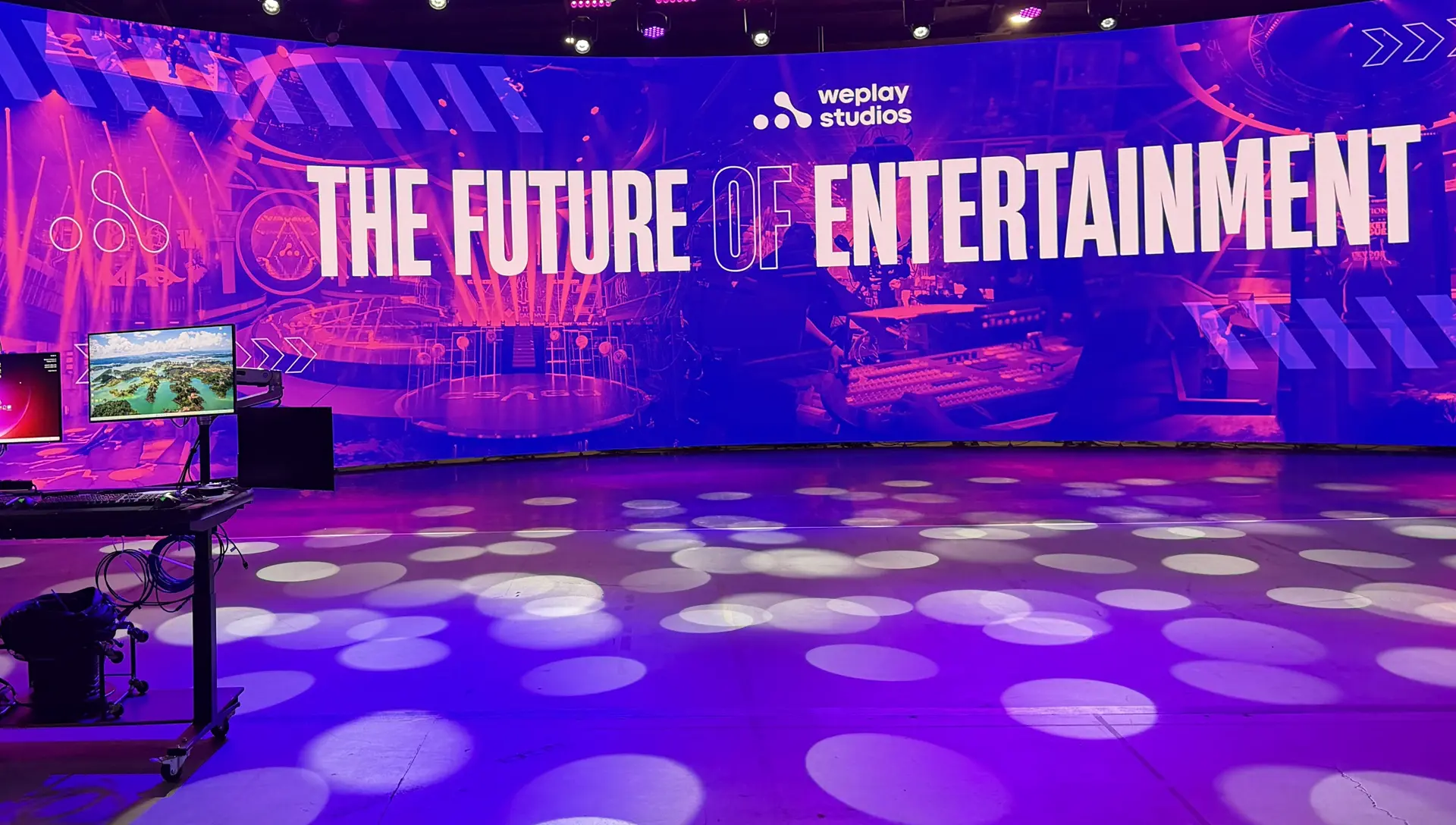
Branded entertainment is changing the way companies compete for attention. Picture a music festival. Tens of thousands of people are completely absorbed, not because an ad told them to show up, but because something pulled them in and held them there. Now ask yourself who actually built the stage. More often than not, it wasn’t a concert promoter. It was a brand. Not because the brand got clever with its marketing budget, but because it figured out something most companies are still catching up to. People don’t give their attention to messages. They give it to experiences.
That insight is quietly reshaping how business works. The companies moving fastest right now aren’t the ones spending more. They’re the ones who changed what they’re building in the first place.
The Old Playbook Stopped Working
For decades, the formula was simple. Build something, then buy enough media to make sure enough people saw it. It worked until the algorithm learned exactly what each person would rather watch instead. After that, no budget was large enough to compete with what the audience actually wanted.
What broke wasn’t any single technology. What broke was the assumption underneath all of it, that attention could be purchased reliably, like ad inventory. Today, when something feels flat or purely promotional, people don’t debate it. They move on. No media budget is large enough to change that.
Branded Entertainment Changes the Starting Point
Once you understand why the old model cracked, the logic behind branded entertainment becomes much easier to see. Traditional advertising begins with the company. The message comes first, and the audience is expected to make room for it. Branded entertainment flips that equation. Instead of asking what the brand wants to say, it begins by asking what kind of experience might deserve a person’s attention in the first place.
“A brand is not only a business, not only an economic player, but a cultural player. For me, a brand is like a person. It has a point of view.”
— Laurent Claquin, Chief Brand Officer, KeringThat shift in perspective changes everything that follows. A company that embraces branded entertainment stops thinking exclusively about messages and starts thinking about participation. Rather than interrupting a conversation, it looks for ways to contribute something meaningful to it. The result might be a film, an event, a creator partnership, a live experience, or a piece of content that people choose to share because it offers genuine value rather than demanding attention.
When branded entertainment succeeds, audiences rarely describe it as advertising. They describe it as interesting, entertaining, useful, or memorable. That isn’t accidental. The entire strategy depends on creating something that earns its place in a person’s day. In a marketplace where consumers can ignore almost any message they choose, that distinction has become incredibly valuable.
Buy Attention
The brand creates a message, buys placement, and hopes enough people stop long enough to absorb it.
Build Belonging
The brand creates a world, experience, or story that gives people a reason to participate before anything is sold.
The Brands That Get It Stop Selling and Start World-Building
Take Red Bull. The product is an energy drink. Yet the reason the brand continues to stand apart has very little to do with caffeine and almost everything to do with the world it has built around the product. Over time, Red Bull stopped thinking like a company that merely sponsors events and started acting like a company that creates them. The result is a brand that feels woven into adventure, risk, competition, and human achievement rather than confined to a grocery store shelf.
One of the clearest examples came when Red Bull helped turn Felix Baumgartner’s jump from the edge of space into a global media event. Millions of people tuned in, not because they wanted to watch an advertisement, but because they wanted to witness something extraordinary. The brand wasn’t interrupting the audience. It was creating an experience the audience actively chose to follow.
That is what branded entertainment looks like when it works. The audience doesn’t feel as though it is being sold to. Instead, it feels invited into a story that already has momentum. The product still matters, but the relationship extends beyond the product because the brand has created something people genuinely want to spend time with.
That’s the larger lesson. The strongest companies are not abandoning what they sell. They are expanding the world around it. When that world becomes interesting enough to stand on its own, attention follows naturally. The product may open the door, but the world around it gives people a reason to stay.
The Real Change Is Happening Inside the Companies
What most coverage of this trend misses is that the transformation isn’t only strategic. It’s organizational. The deeper story isn’t that companies discovered content. It’s that a different kind of person is now moving into positions where they shape strategy.
These are people who didn’t study digital media from the outside. They grew up inside it. They understand instinctively how a moment online can become a movement, and they know exactly which decisions accelerate that or kill it. They don’t treat each platform as a separate problem. They see the whole thing as one continuous experience that either builds momentum or bleeds it.
That perspective changes how a company operates at the ground level. A campaign no longer ends when the ad stops running. It looks for its next surface. An event doesn’t disappear when the room empties because the story it generated keeps moving forward. This is how companies stop starting over every time they want attention and start building something that compounds.
Attention Has to Keep Moving
Attention no longer sits still long enough for a company to depend on one message, one platform, or one campaign. Audiences move quickly through culture, carrying an idea forward only when it gives them a reason to care. That is why the strongest branded entertainment does not behave like a traditional ad buy. It behaves like a living system, designed to keep the story moving from one moment to the next.
“Today’s customers aren’t just buying apparel, they’re buying into brands that tell compelling stories and drive cultural conversations.”
— Richard Dickson, CEO, Gap Inc.Few recent examples illustrate this better than Barbie. Long before audiences walked into a theater, the film had already become part of the culture. The trailers sparked conversation. Social media amplified it. Fans created memes, fashion trends, and endless commentary. Brands rushed to participate. What began as a movie gradually transformed into a larger cultural moment that people actively carried from platform to platform.
That is the difference between content and momentum. A traditional campaign hopes people notice it. A successful branded entertainment strategy gives people a reason to keep talking about it. The audience becomes part of the distribution system because the story continues to evolve as it moves through culture.
That is why the smartest companies now treat storytelling as infrastructure rather than decoration. The story is not the glossy layer added after the strategy has already been built. It is the structure that helps the entire idea travel, connect, and last.
You Can Feel the Difference Immediately
There’s something unmistakable about a brand that genuinely understands the world it’s trying to enter. Instead of interrupting the culture, it belongs inside it. Audiences sense that distinction faster than any focus group ever could.
This doesn’t require a documentary budget or a dedicated media division. What it requires is a commitment to making something the audience would actually choose, rather than something the brand simply needs to say. That reframe, from broadcasting to belonging, is where the real competitive advantage lives right now.
This Is the New Shape of Business
The old model kept storytelling at the end of the process, something the marketing department handled after the real decisions were already made. The new model pulls it toward the center, where it shapes the product itself and the people hired to lead it forward.
Branded entertainment sits directly inside that shift. It’s evidence that the most competitive companies have stopped treating culture as a place to advertise and started treating it as a place to participate.
That’s the real change. And the gap between the companies that feel it and the companies that still don’t is only going to widen from here.
Related Reading
Continue exploring the changing entertainment landscape through DerksWorld’s coverage of industry, culture, and fandom.