La Luna Pixar Short Film Review | Pixar’s Quiet Masterpiece
La Luna Pixar stands as one of Pixar’s most quietly powerful animated shorts, proving that even a seven-minute story can deliver wonder, emotion, and meaning with remarkable clarity.
Pixar has long shown that small stories often leave the strongest impressions. Because of this, longtime fans know that arriving early to the theater matters. In this case, La Luna rewarded audiences with a visually poetic and emotionally resonant experience before the main feature even began.
Why La Luna Pixar Earned Global Recognition
Pixar premiered La Luna on June 6, 2011, at the Annecy International Animated Film Festival in France. As one of the world’s most respected animation showcases, Annecy provided the perfect stage for the short’s debut.
After its premiere, the film traveled to several international festivals. Soon after, La Luna Pixar received an Academy Award nomination for Best Animated Short Film. Although The Fantastic Flying Books of Mr. Morris Lessmore ultimately won that year, the nomination confirmed Pixar’s continued excellence in short-form storytelling.
A Simple Story That Carries Emotional Weight
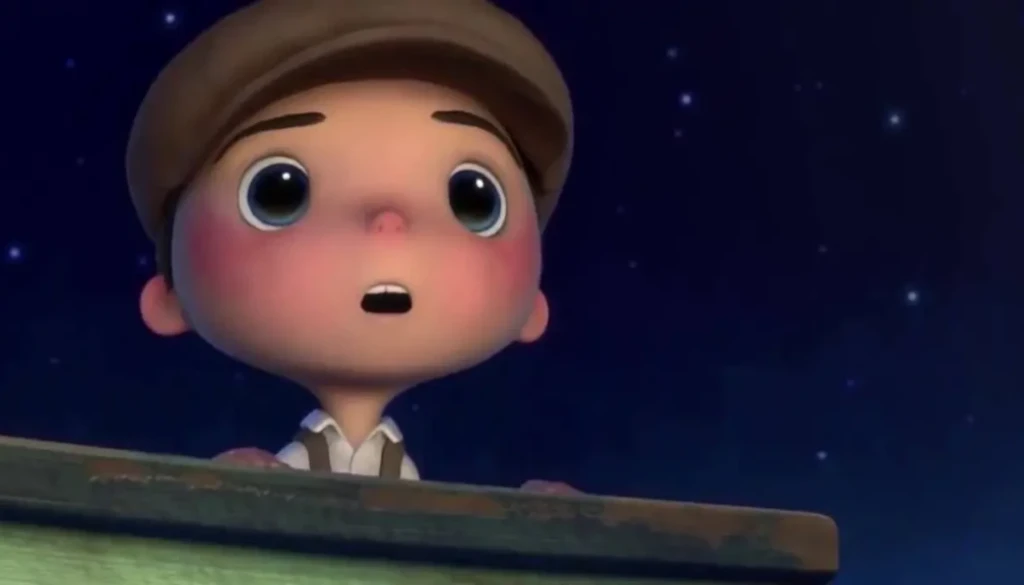
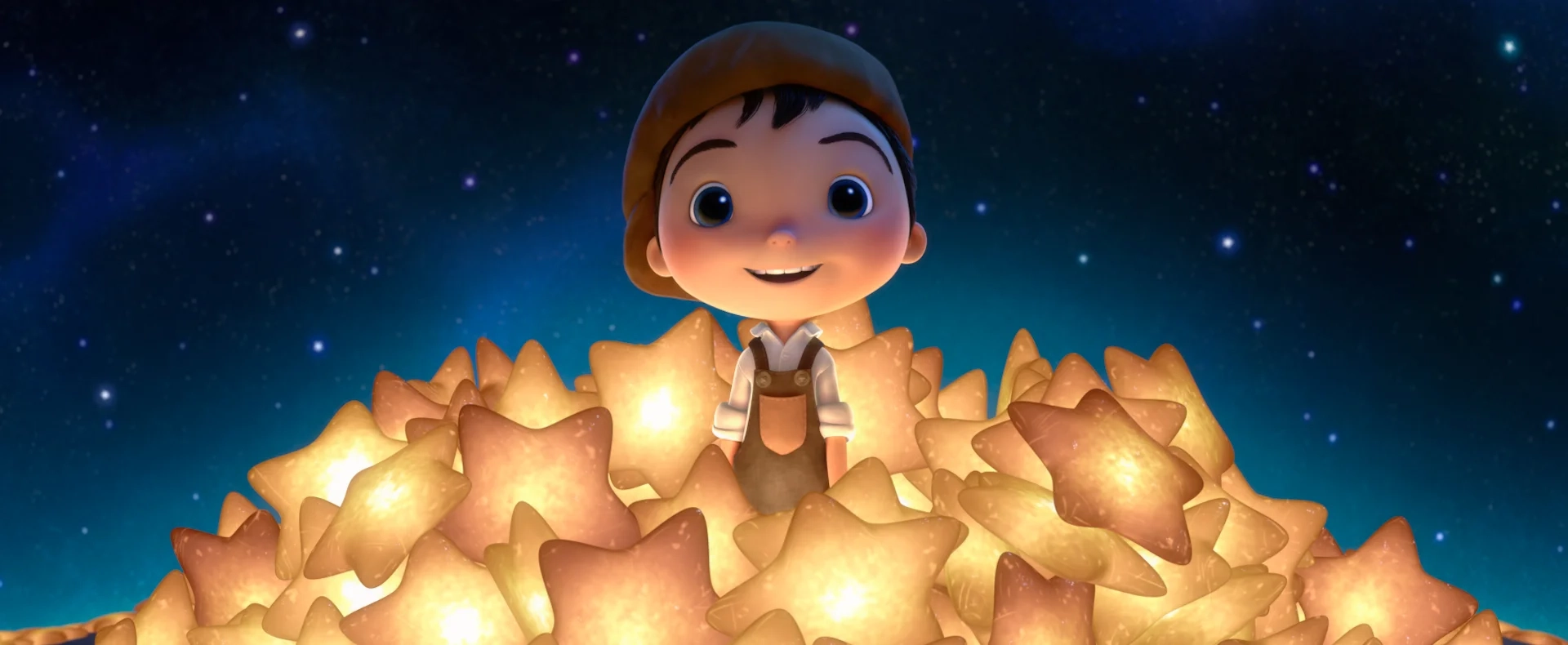
At its core, La Luna follows Bambino, a young boy who joins his father and grandfather on a midnight journey at sea for the first time. What begins as a quiet boat ride quickly transforms into a magical rite of passage.
As the moon rises, Bambino discovers his family’s unusual line of work. More importantly, he finds himself caught between two generations, each offering a different way of seeing the world. Instead of explaining this conflict through dialogue, the film allows action and expression to lead the story.
How Visual Storytelling Drives the Film
Rather than relying on exposition, La Luna communicates through movement, framing, and timing. Consequently, the story feels universal and accessible to audiences of all ages.
As a Pixar short, La Luna succeeds because it trusts the audience. By removing literal language, the film invites viewers to focus on emotion, discovery, and choice.
Visual Poetry and Thoughtful Pacing
The film’s pacing never rushes moments of discovery. Instead, each scene unfolds naturally, allowing the audience to absorb the moonlit seascape and Bambino’s reactions.
Meanwhile, the animation reinforces this sense of calm. Subtle character movements and carefully composed shots create an atmosphere that feels both intimate and expansive.
Pixar’s Subtle and Effective Use of 3D
Pixar uses 3D in La Luna with restraint. Rather than distracting the viewer, depth enhances scale and immersion. As a result, the moon, the ocean, and the night sky feel alive without overwhelming the story.
A Short Film That Leaves a Lasting Impression
Despite its brief runtime, La Luna leaves a lasting impression. By focusing on simplicity, the film delivers warmth, beauty, and emotional clarity without excess.
For many viewers, seeing La Luna in theaters alongside Brave in June 2012 became more than a pre-show moment. Instead, it became a reminder of how powerful short-form animation can be.
The Creative Team Behind La Luna
Enrico Casarosa wrote and directed La Luna. The voice cast features Krista Sheffler as Bambino, Tony Fucile as Papa, and Phil Sheridan as Nonno. Together, the creative team crafted a dialogue-light story that relies on visual expression, timing, and emotional clarity.
For more animation commentary, explore our Animation category or browse related articles in our Fandom section. Additional information about La Luna is available on Pixar’s official website and its IMDb page.