
What If Movie Theaters Stopped Waiting for Hollywood?
A weekend conversation about movie distribution turned into a bigger question about who gets to decide what plays on the big screen.


A weekend conversation about movie distribution turned into a bigger question about who gets to decide what plays on the big screen.

China’s first fully AI-generated feature drew four people to one screening and $253,000 in eleven days. A snapshot of where the AI debate stands, from someone who still believes in the human hand.

Some animated films look as beautiful today as they did on opening night, decades after their release. From the tapestry-inspired world of Sleeping Beauty to the slow-burn rescue of The Iron Giant, the reasons have less to do with nostalgia than with the choices artists make at the drawing table.

Hazbin Hotel started as a YouTube pilot, and Lackadaisy raised $2 million from its fans. For independent animators, building an audience has become the easy part. Turning a hit cartoon into a company that lasts is the real test.
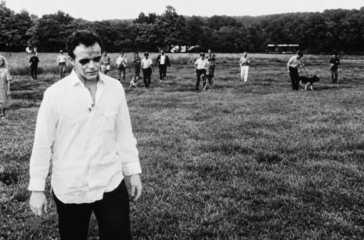
They had little money and no stars, yet these filmmakers turned their limitations into the very thing that frightened audiences. From a Pittsburgh farmhouse to a grimy bathroom in Saw, here’s how five low-budget horror films changed the way Hollywood makes and sells fear.
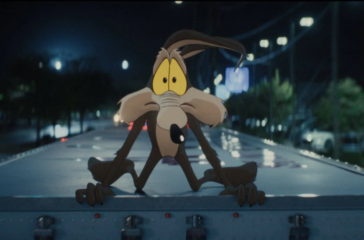
Warner Bros. tried to bury Coyote vs. Acme. Like the character at its center, the movie refused to stay down.
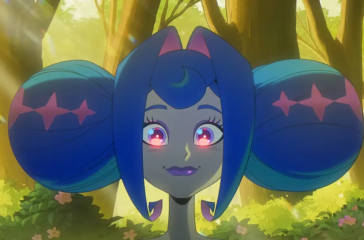
For decades, an animated series needed a studio executive’s blessing before it ever reached an audience. Ten independent studios and creators, from GLITCH Productions to the team behind Lackadaisy, have flipped that order by building their audiences first and letting Hollywood come to them.

On opening night of Halloween Horror Nights, the longest lines form for monsters people already know by heart. A look at the psychology of recreational fear, and how a teenage YouTuber’s Backrooms proved you don’t need a studio to make an audience afraid.
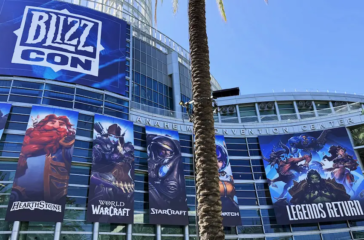
A night at a Blizzard Entertainment party sends one writer back twenty years, to when TV worried about losing eyeballs to video games. The real story turns out to be bigger: gaming built a community television never did.
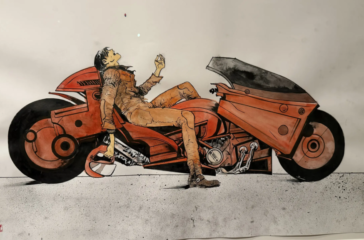
A visit to the Lucas Museum sends me back to something my college professors told me decades ago: cartoons and film art would never belong in a museum. Standing in galleries where Peanuts hangs beside Winnie the Pooh, I found out how wrong they were, and what that says about the art we actually grew up with.