
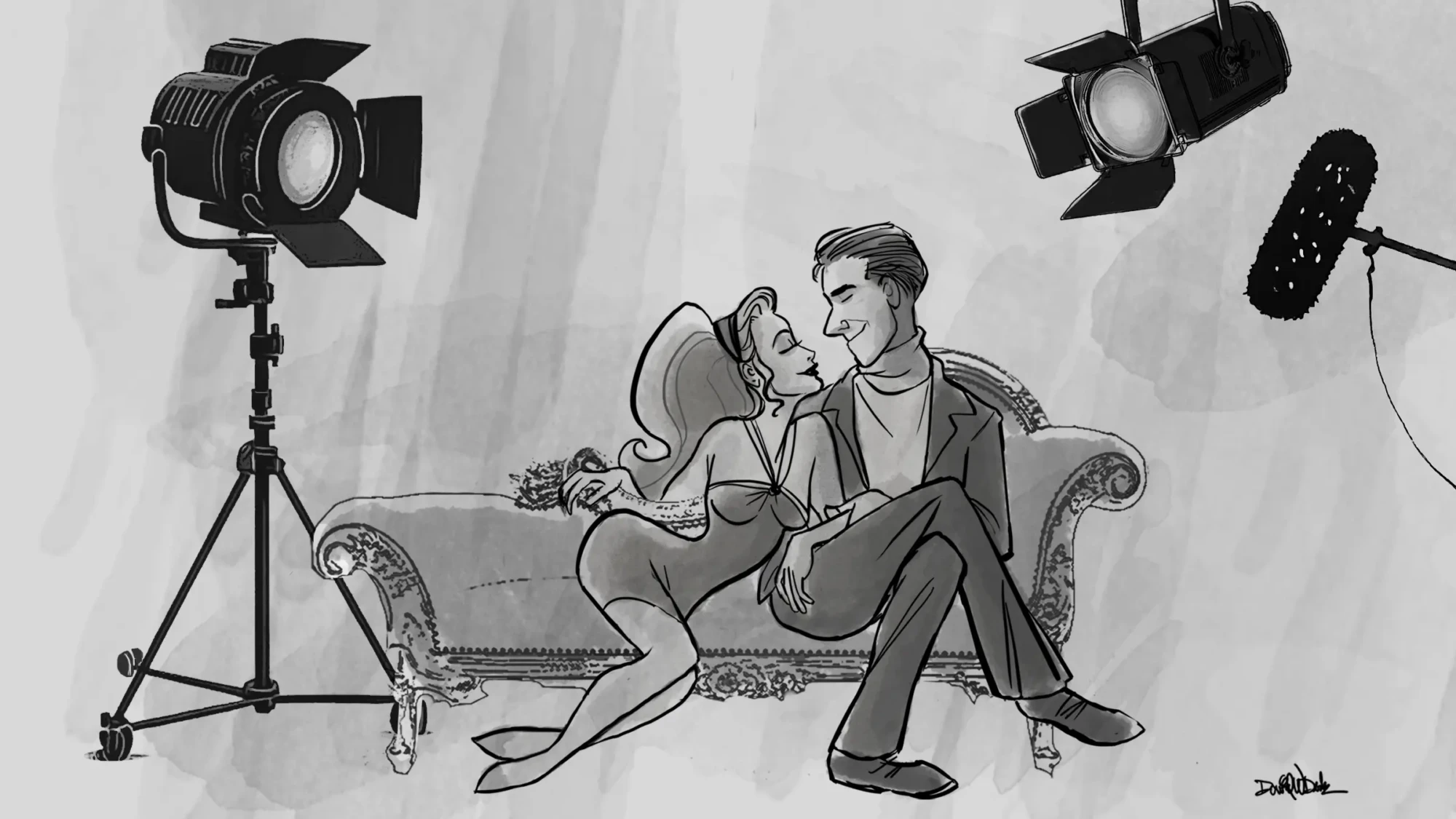
The Radford Studio Center is currently in foreclosure.
I never expected to write that sentence about a place filled with early career memories—not just of soundstages and shows, but of how the television industry actually works. Long before streaming wars, shrinking episode orders, and the shifts I’ve written about in the future of the entertainment industry, Radford taught me the mechanics of television from the inside.
At the time, most people still called it CBS Radford. Today, the historic lot sits in a far more uncertain place—after Culver City–based Hackman Capital defaulted on its $1.1-billion mortgage, ownership is set to transfer to lender Goldman Sachs, a reminder that modern production economics have finally caught up with a storied studio. Even so, Radford will always be the place where I received my first real education in television, working on shows in the early 2000s.
Walking Onto a Working Studio Lot for the First Time
Early on, I focused on observing and staying out of the way.
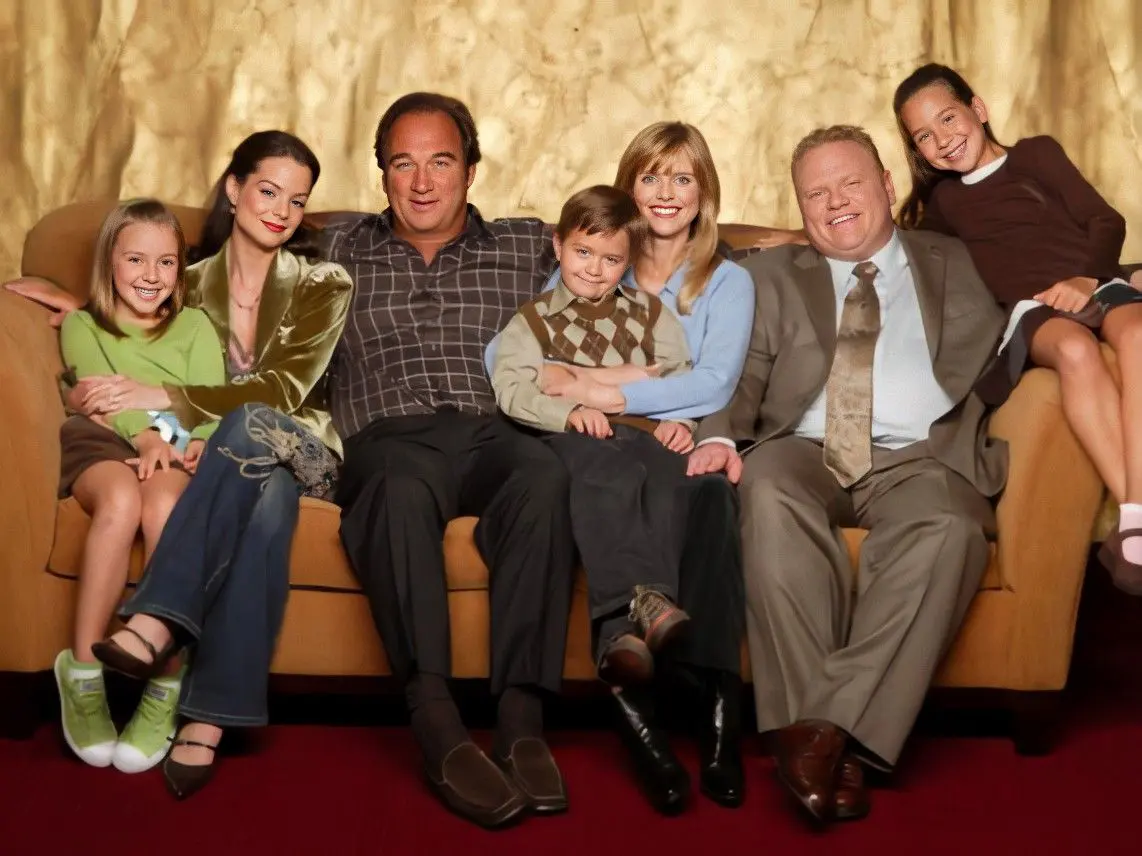
At Radford, I worked on shows like According to Jim, Less Than Perfect, and Rodney—solid multicamera sitcoms that ran with precision. These productions weren’t vanity projects or “content.” They represented television as a professional, industrial process, very different from the creator-driven ecosystem I later explored in the Hollywood creator economy.
Each day, the lot stayed busy with overlapping productions. One stage might prepare for a table read while another struck a set. Crews moved with purpose, and schedules governed everything. I also spent time with crew members from nearby productions such as Will & Grace and Big Brother. That constant motion gave the lot a rhythm—something I now recognize as part of a studio system that no longer operates at the same scale.
“Everything moved with purpose. Television had a rhythm — and the lot kept time.”
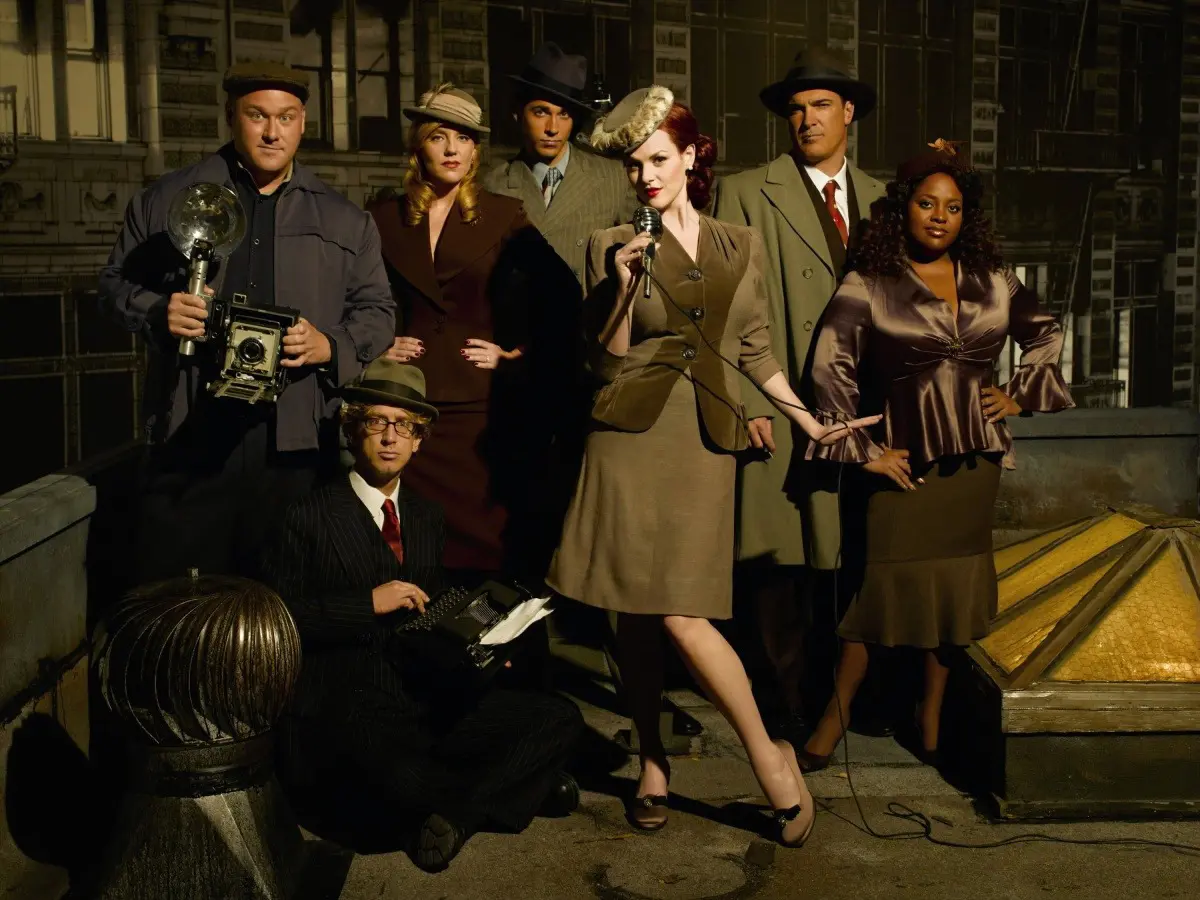
My First Table Read Changed Everything
The illusion broke during my first table read.
A table read—also called a read-through or table work—brings the cast together to read the script aloud for the first time. While the process sounds simple, it quickly reveals what works and what doesn’t.
Comedy no longer felt abstract in that room. Writers tracked laughs. Producers focused on pacing. Actors tested delivery and timing. In real time, the room exposed which jokes landed and which required revision before rehearsal began.
“You could hear the business of comedy in real time — in every laugh, pause, and rewrite.”
One director who stood out was Ted Wass, who directed an episode of Less Than Perfect. I recognized him from Soap, a TV series from the 1970s that challenged television norms during its original run. It was interesting to observe a person I grew up watching as an actor take on a different role that wasn’t in front of the camera. He was serious about maximizing the script and getting the most out of the content.
Most importantly, the table read revealed how authority moved through the room. Certain voices carried weight. Others waited. A few redirected conversations without raising their voices. It was very interesting to watch the creative process that was organized.
The Production Office Was the Real Classroom
Although soundstages receive attention, production offices keep shows running.
One afternoon, several members of the production office stepped out for lunch, and I stayed behind to cover the phones. Calls came in nonstop.
Those calls proved instructive. People asked about rentals, script deliveries, schedule changes, and approvals. Not all of my experiences were happy, but that was part of the education.
By listening carefully, recording messages, and routing information, I gained a clear picture of how a television production holds together, warts and all.
What the Foreclosure Really Represents
Today, Radford faces an uncertain future.
The lot, purchased in 2021 and later weighed down by debt, will soon transfer to lenders. This situation reflects how sharply film and television production has contracted since 2022, reinforcing trends discussed throughout my writing on industry contraction and restructuring. However, the loss extends beyond real estate.
Places like Radford trained generations of assistants, coordinators, and creatives. People learned by watching. Careers started quietly. Knowledge passed from one person to the next without formal instruction. When those spaces disappear, that transfer breaks.
The Lot May Change, But the Lessons Don’t
At the time, I didn’t realize how much Radford shaped my understanding of the industry. The lot showed me how shows come together, how teams operate, and how creativity intersects with structure.
When ownership changes—or the lot takes on a new purpose—those memories remain. Still, this moment marks the end of an era when television wasn’t just produced there.
It was learned there.
That’s what the Radford lot will always represent to me.