
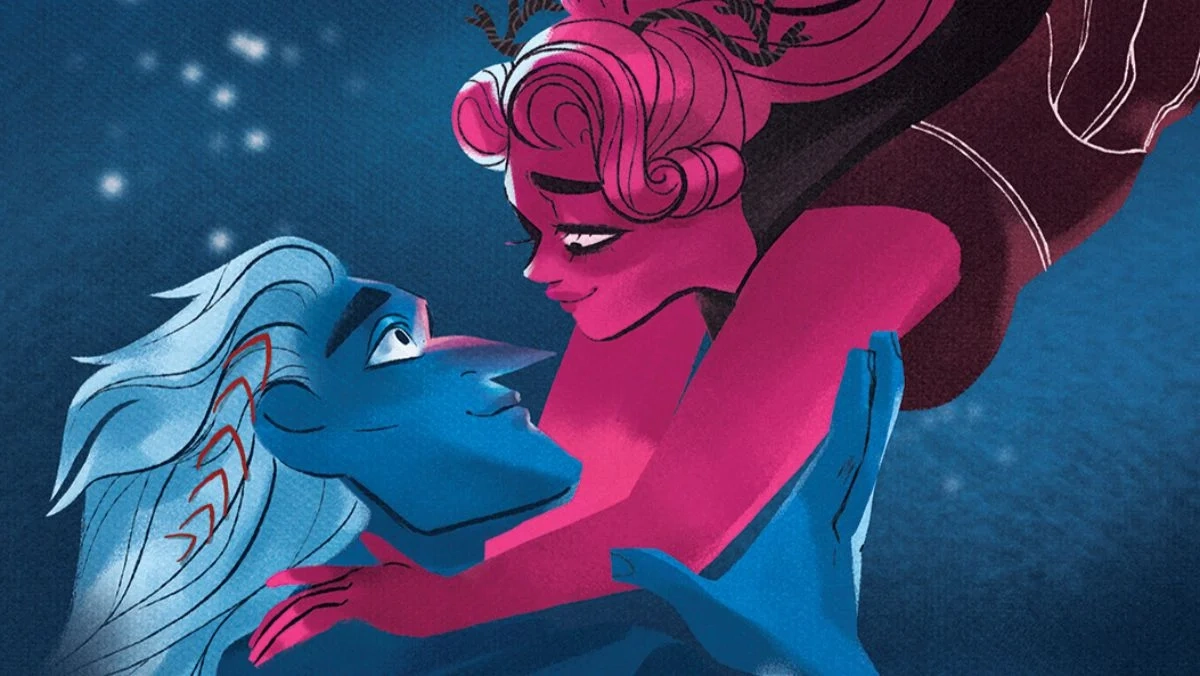
Lore Olympus and the Moment Webtoons Became Television
When Lore Olympus launched on Webtoon, it looked nothing like a traditional television property. It was vertical, mobile-first, and highly stylized. The story moved through emotion rather than commercial breaks.
Over time, it became one of the most-read digital comics in the world. Across six years, it surpassed 1.8 billion views. That sustained attention is what brought the project into development as an adult animated series with Amazon MGM Studios and The Jim Henson Company.
More importantly, its success changed how the industry thinks about risk and source material. Lore Olympus showed that digital-first stories can hold an audience over time. Today, that kind of consistency carries real value.
“Lore Olympus didn’t break into television by being flashy. It broke in by being consistent.”
Why Webtoons Are Now Prime Animation IP
For years, studios treated webtoon adaptations with caution. Many saw them as experiments instead of long-term investments. That mindset has shifted.
By 2026, webtoon adaptations no longer rely on pilots or one-off tests. Studios now build full production slates around them. Global platforms support these projects from the start.
The reason is simple. Webtoons offer years of audience data. They show who is reading, how often, and for how long. Studios no longer have to guess whether demand exists. The audience has already shown up.
This shift has turned webtoons into one of the most reliable engines for serialized animation.
Warner Bros. Animation and the Move to Multi-Series Slates
Warner Bros. Animation provides one of the clearest examples of this change. Instead of adapting a single title, the studio has committed to multiple digital-first properties.
Series like Down to Earth and Hardcore Leveling Warrior are moving forward because they already proven audience loyalty. These projects did not succeed overnight. Readers followed them for years.
This approach marks a structural shift in animation development. Studios now respond to proven demand rather than speculation.
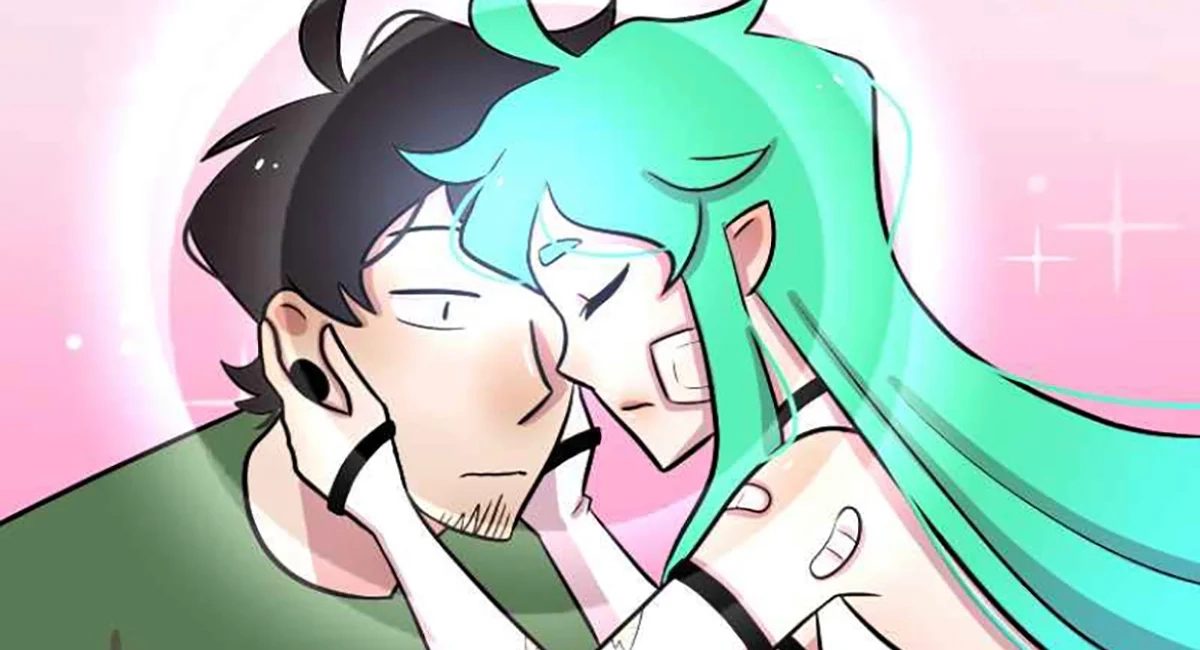
Korean Webtoons and Anime-Adjacent Global Adaptations
Korean webtoons and manhwa also play a growing role in global animation. However, anime remains a distinctly Japanese art form and industry.
Many Korean webtoons now move through anime-adjacent adaptation pipelines. Japanese animation studios often produce these series. Global streaming platforms then distribute them to anime audiences worldwide.
Titles such as Eleceed, Tomb Raider King, and Omniscient Reader’s Viewpoint follow this model. They combine Korean source material with Japanese production infrastructure. The result feels familiar to anime viewers while retaining Korean storytelling sensibilities.
What stands out most is speed. Once audience demand is clear, the path to adaptation moves quickly.
“Studios aren’t guessing what audiences want anymore. They’re following what audiences have already chosen.”
Streaming Platforms Take a More Active Role in Adaptation
Streaming platforms have also changed how they handle adaptations. They no longer license stories and step away. Instead, they stay involved throughout development.
Netflix’s work on Viral Hit and Studio OLM’s production of Let’s Play reflect this shift. These platforms focus on tone, pacing, and long-term planning.
At the center of this strategy is WEBTOON Productions. The company remains involved as projects move beyond the app. This vertical integration helps protect creator intent and audience trust.
View this post on Instagram
Why Lore Olympus Still Anchors the Conversation
Even as more webtoon adaptations enter production, Lore Olympus remains a reference point. It was not the first webtoon to succeed. However, it showed what adult animation could become.
The series proved that animation can focus on emotion, romance, and atmosphere. It did not rely on comedy or spectacle to gain legitimacy. It also showed that creators can stay involved as projects grow.
More broadly, Lore Olympus reflects a change in mindset across the industry. Creators no longer need to shape their work around what television might accept.
When an audience shows up consistently, the industry now knows how to respond.
By 2026, webtoons no longer feed television as experiments. They help define what television animation is becoming.