
Gen Z filmmaking may end up being one of the most important cultural shifts in modern entertainment, not because young creators are trying to restore the past, but because they are unintentionally recreating some of the same conditions that once gave Hollywood a creative rebirth. For the past several years, the entertainment industry has been […]
Is Gen Z Accidentally Bringing Back the 1970s Era of Filmmaking?
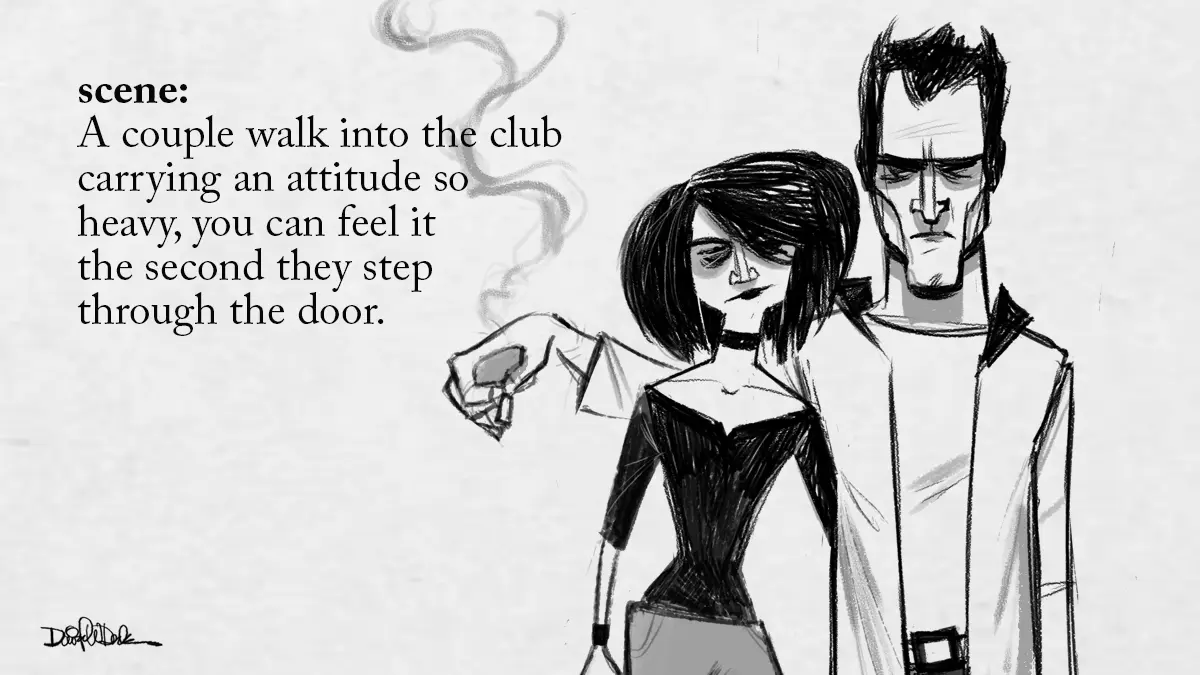
Gen Z filmmaking may end up being one of the most important cultural shifts in modern entertainment, not because young creators are trying to restore the past, but because they are unintentionally recreating some of the same conditions that once gave Hollywood a creative rebirth. For the past several years, the entertainment industry has been asking how to get audiences back into theaters, how to compete with streaming, and how to reconnect with younger viewers. Yet the more interesting question may be whether a new generation is already reshaping the language of film itself. If that is happening, then Gen Z filmmaking could become the bridge between old Hollywood, internet culture, and whatever cinema becomes next.
For the past several years, Hollywood has been asking a question that sounds increasingly anxious every time it comes up. Studio executives ask it at conferences. Journalists write about it in industry publications. Analysts debate it on podcasts and entertainment panels.
How do we get people back into movie theaters?
At first glance, that sounds like a perfectly reasonable question. Theatrical attendance has been unpredictable. Streaming services have fragmented audiences. Social media now competes for attention every waking minute of the day. For an industry that once relied on mass cultural habits, the landscape feels scattered, restless, and uncertain.
Still, the more I think about it, the more I suspect Hollywood may be asking the wrong question. Maybe the real story is not that audiences disappeared. Maybe the real story is that the entire creative ecosystem around filmmaking is evolving again. If you look closely at what is happening right now, the early signs suggest that a new generation is reshaping how stories are made, shared, and experienced. In that sense, Gen Z filmmaking may be doing something surprisingly familiar.
In fact, if history is any guide, we may be watching the early stages of something that echoes the most revolutionary period in modern American cinema: the filmmaking explosion of the 1970s.
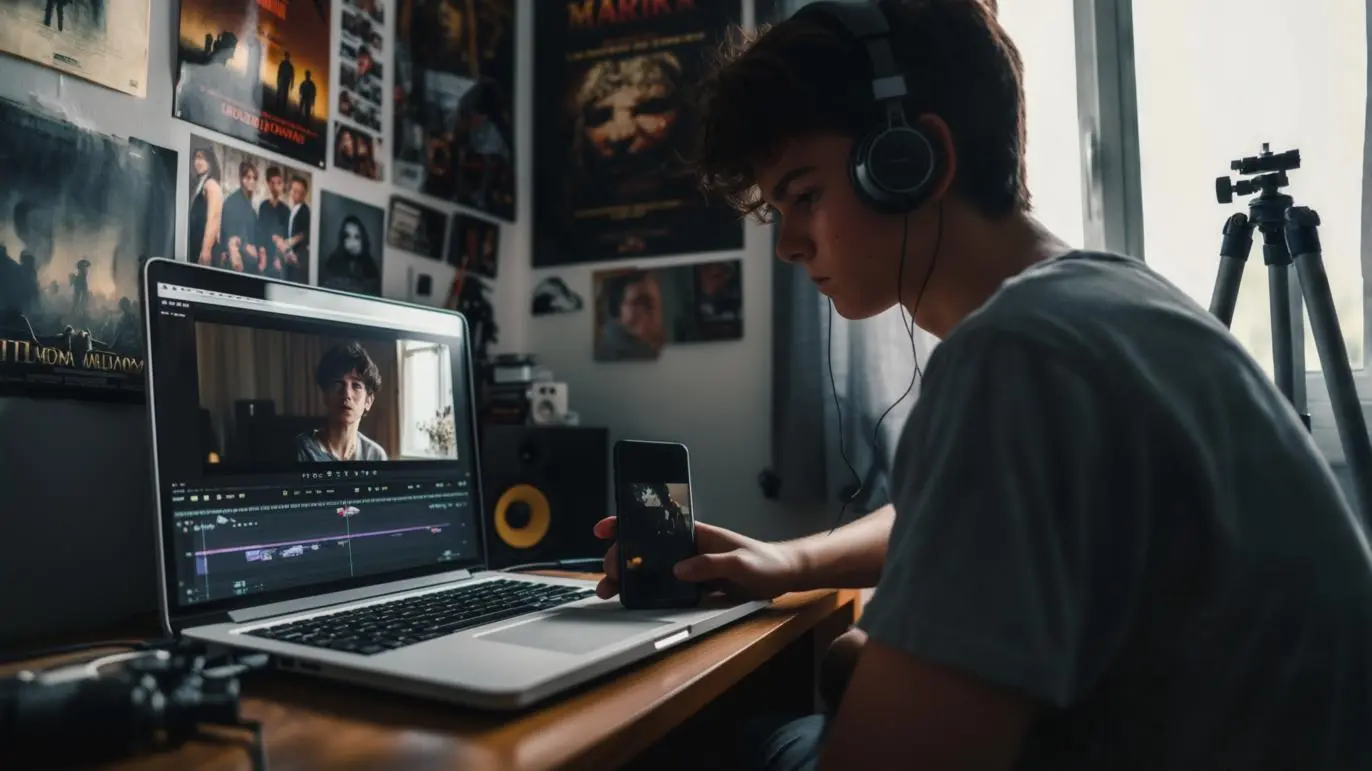
When Hollywood Lost Its Grip on the Culture
To understand why this comparison matters, it helps to look back at what happened in the late 1960s. At that time, the traditional Hollywood studio system had already begun to show cracks. Television had drawn audiences away from theaters, cultural tastes were shifting rapidly, and many of the films coming out of the major studios suddenly felt disconnected from the younger generation reshaping American life.
Inside the studios, executives faced an uncomfortable realization: they were no longer certain what audiences actually wanted. That uncertainty created an opening. Film historian Peter Biskind has written extensively about how a changing culture and a confused industry allowed younger filmmakers to step in with a different voice, a different visual language, and a different sense of what movies could be.
“The studios were desperate, and the young directors were fearless. That combination changed American cinema.”
Out of that instability emerged a generation of filmmakers who would redefine modern storytelling on screen. Directors like Steven Spielberg, George Lucas, Martin Scorsese, and Francis Ford Coppola arrived at a moment when the industry was ready, even if it did not fully realize it, for reinvention. Their films were more personal, more experimental, and often more daring in structure and tone than the studio formulas that had dominated before them.
View this post on Instagram
The result was the era now known as New Hollywood, a creative period that produced films such as The Godfather, Taxi Driver, and Star Wars. These were not simply successful movies. They expanded what audiences believed cinema could be. Looking at the current moment in entertainment, it is difficult not to notice that Hollywood is once again facing a similar kind of uncertainty.
A Generation Raised Inside the Internet
Gen Z, generally defined as people born between 1997 and 2012, is the first generation to grow up entirely inside a digital ecosystem. Unlike earlier generations who watched the internet slowly evolve, Gen Z encountered a world where smartphones, streaming platforms, online video, and social media were simply part of daily life. They did not gradually adapt to digital culture. They were raised inside it.
That changes how stories are understood. For Gen Z, storytelling has never belonged exclusively to Hollywood. A story might appear as a feature film, a YouTube series, a TikTok narrative thread, an animated short, or even a cinematic sequence inside a video game. The boundaries between those forms are far less rigid than they were for previous generations. What matters is not the platform so much as the emotional experience.
Researchers have increasingly noted that younger viewers often feel more connected to creators than to traditional entertainment institutions. Deloitte’s Digital Media Trends research has repeatedly shown that younger audiences spend significant time with creator-driven content and often find it more relevant than traditional film or television. That does not mean movies are dead. It means the hierarchy has changed. Hollywood is no longer the only cultural engine in town. Deloitte’s reporting on digital media trends helps explain just how dramatic that shift has become.
“For Gen Z, the line between creator and audience has blurred. Entertainment is no longer something delivered from above—it’s something built in conversation with communities.”
That observation may be one of the clearest ways to understand Gen Z filmmaking. This generation does not always see entertainment as something handed down by gatekeepers. Instead, it often experiences stories as part of a conversation, a fandom, a remix culture, or a community.
The Internet as the New Film School
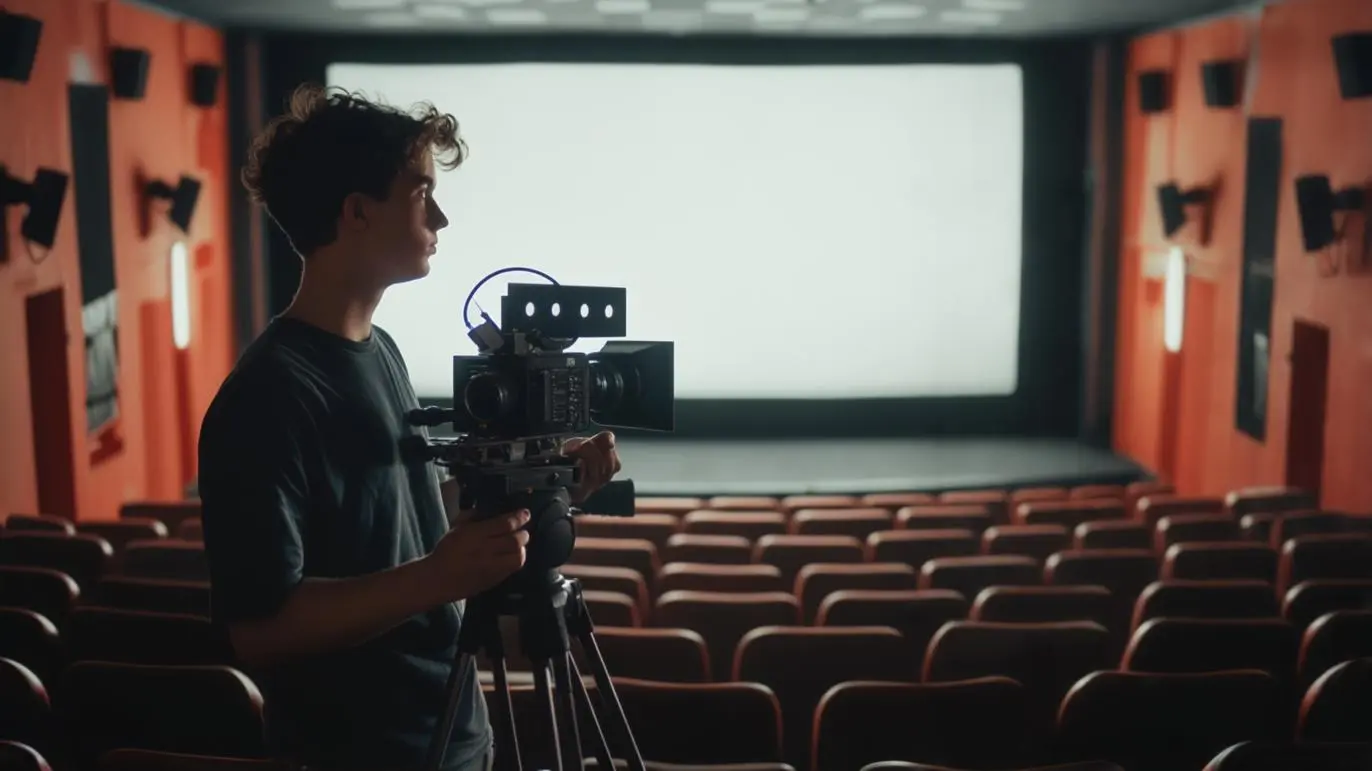
One of the most fascinating parts of this shift is that many younger filmmakers are no longer learning their craft through traditional pathways such as film schools or studio internships. Instead, they are learning online. On YouTube, TikTok, and countless creative forums, aspiring filmmakers teach themselves editing, cinematography, visual effects, pacing, animation, and sound design. They are not waiting for permission. They are experimenting in public.
That public experimentation matters. In earlier eras, learning filmmaking often required expensive equipment, formal access, and industry connections. Now a young creator can watch breakdowns of camera techniques, study editing workflows, test ideas on an audience, and improve rapidly with immediate feedback. The process is faster, messier, more democratic, and in many cases more creatively open.
This is why Gen Z filmmaking feels so important. It is not merely about who watches movies. It is about who learns to make them, where they learn, and how they develop a voice before the industry even notices them.
When Technology Lowers the Gates
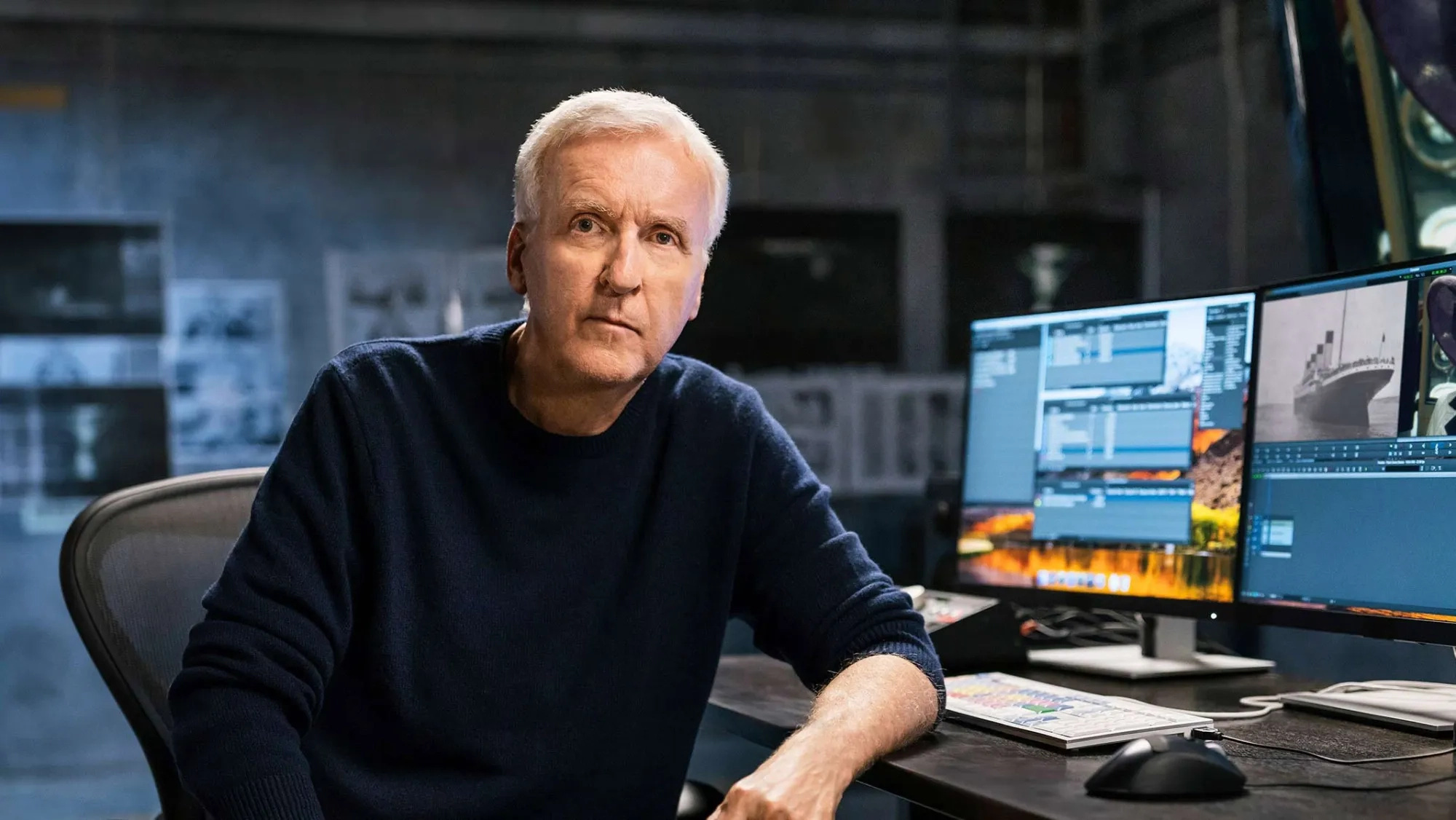
Every major shift in filmmaking history has been accompanied by technological change. When cameras became lighter and more mobile in the 1970s, filmmakers gained the ability to shoot on location and experiment with more intimate styles of storytelling. When digital editing tools became widely available in the 1990s and 2000s, independent creators gained far more control over their work. Today, the landscape has shifted yet again.
A creator working from home may now have access to tools that would once have required a studio budget. High-resolution cameras exist in smartphones. Editing software is widely available. Game engines allow people to build cinematic worlds digitally. AI-assisted tools are beginning to reshape visual production, concepting, and post-production workflows. The barrier to entry has dropped dramatically, and history suggests that whenever the gates lower, new voices rush in.
No Film School and other industry-focused outlets have written extensively about this transformation in independent production. Whether one loves every result or not, the underlying reality is undeniable: access has changed. No Film School remains one of the clearest windows into how digital tools are altering the path for emerging filmmakers.
“The barrier to entry for filmmaking has never been lower. A generation raised on digital tools is discovering that they can make movies without waiting for permission.”
That line captures the moment perfectly. It also sounds a lot like the conditions that once made New Hollywood possible. When institutions become uncertain and the tools become cheaper, creativity has room to break loose.
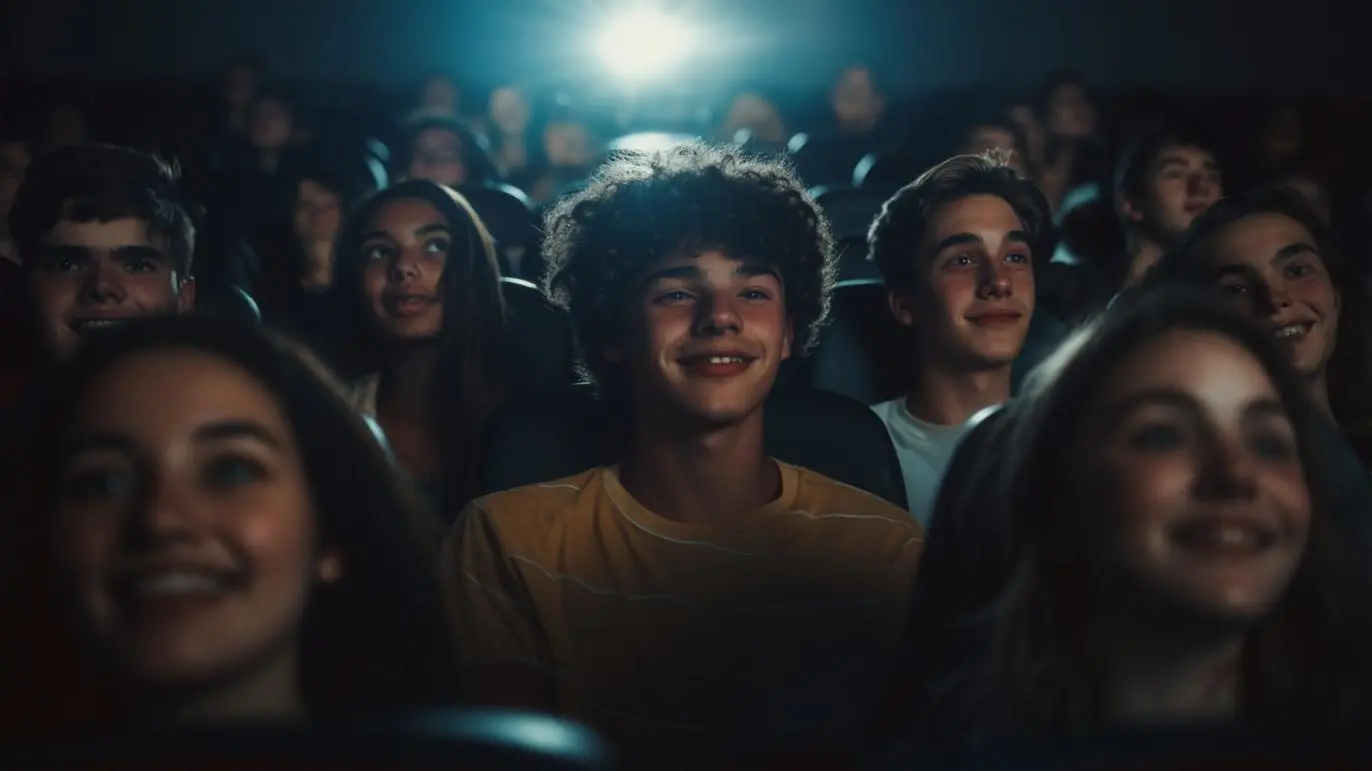
The Theater Experience Is Changing, Not Vanishing
One of the most common assumptions about Gen Z is that they simply do not care about movie theaters anymore. Since younger audiences spend so much time online, the theory goes, the theatrical habit must be gone for good. Yet that conclusion feels too simplistic. What may actually be disappearing is not the desire for theaters, but the old expectation that moviegoing is a routine weekly habit.
For younger audiences, theatrical experiences often need to feel like events. When a film becomes part of a larger cultural conversation, when it sparks anticipation, memes, fandom reactions, or a sense of collective excitement, people still show up. In those moments, the theater becomes more than a room with a screen. It becomes a communal experience, which has always been one of cinema’s greatest strengths.
The National Association of Theatre Owners has continued to emphasize the importance of moviegoing as a shared public experience, even as audience habits shift. You may not agree with every bit of industry optimism, but their perspective on theatrical culture is still useful context. NATO’s industry resources offer one lens into how the business continues to defend the value of the big-screen experience.
Hollywood’s Next Reinvention
History suggests that creative revolutions rarely begin in the middle of stable institutions. More often, they begin at the edges, where experimentation is easier and expectations are lower. In the late 1960s and early 1970s, those edges were occupied by young filmmakers who had grown up studying cinema and wanted to push it somewhere new. Today, the edges are populated by digital creators, indie animators, YouTubers, and filmmakers building audiences in places the old studio system did not create.
That is why this moment feels so fascinating. Hollywood is no longer the sole gatekeeper of visual storytelling, but that loss of control may also be the very thing that forces reinvention. When large institutions lose confidence in what audiences want, they become more open, sometimes reluctantly, to new ideas. That pattern has happened before, and it may be happening again now.
“Hollywood doesn’t evolve when things are comfortable. It evolves when the system breaks.”
If that observation holds true, then the current moment may end up being one of the most creatively fertile periods in decades. Gen Z filmmaking may not restore the Hollywood system of the twentieth century, and it may not even want to. But that may be exactly the point. The next generation does not need to rebuild the old machine. It may be far more interesting to watch them invent a new one.
And that, to me, is the real story. Not whether Gen Z can save Hollywood by bringing everyone back to the old habits, but whether they are already building the next version of cinema in plain sight. If so, the future of film may not be a return. It may be a reinvention.
DerksWorld