Are Movie Theaters Really Back? What the Billion-Dollar Films Actually Tell Us
Every time a handful of films cross the billion-dollar mark at the international box office, the same question resurfaces: are movie theaters really back?
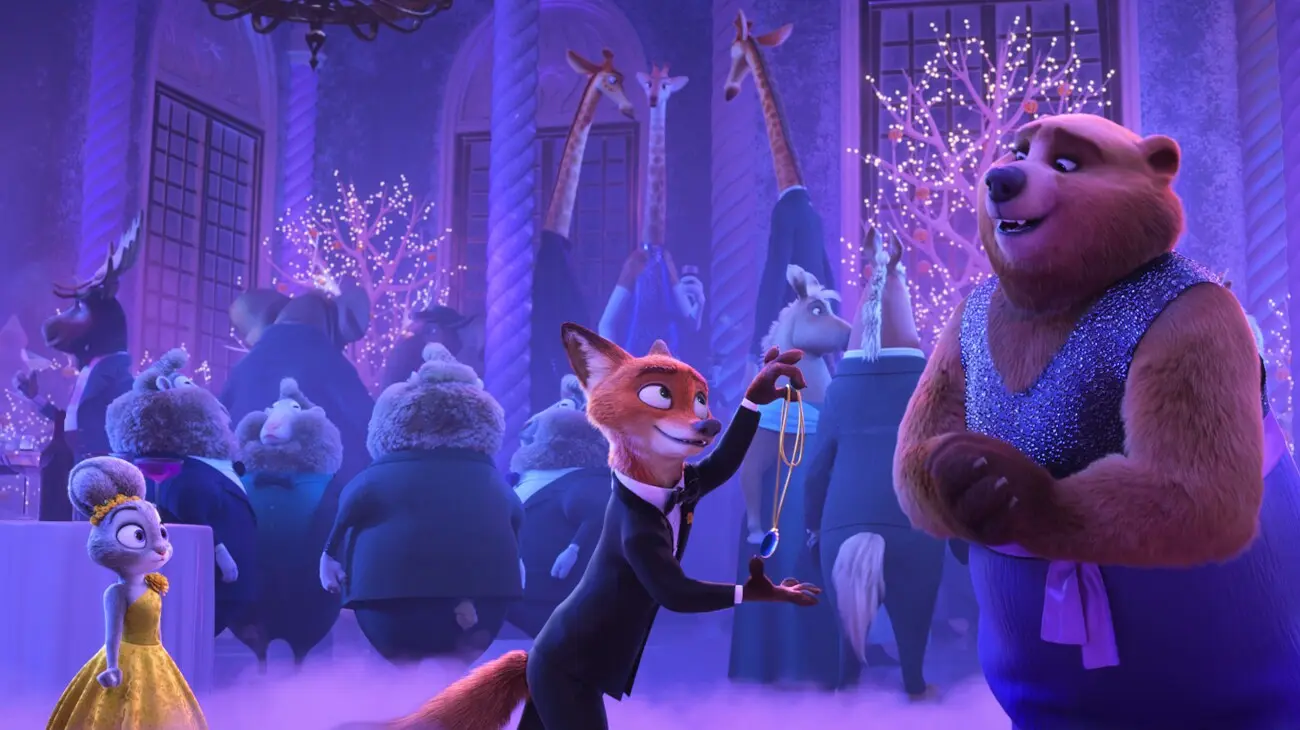
In 2025, three Disney-backed releases — Avatar, Lilo & Stitch, and Zootopia — each surpassed $1 billion internationally. Outside of Disney, only one film reached that level: Ne Zha 2, which earned roughly $2.25 billion overseas.
At first glance, those numbers suggest a theatrical comeback. However, box office totals alone don’t explain why audiences showed up — or why most other films barely moved the needle.
To understand whether movie theaters are truly back, we need to look beyond grosses and examine audience behavior research, industry surveys, and long-term attendance patterns. When we do, a more complex picture emerges.
What Research Says About Why People Go to Movie Theaters
Multiple academic and industry studies agree on one foundational point: people don’t go to theaters simply to watch a movie. They go for an experience.
Global audience research conducted by the Global Cinema Federation shows that moviegoers still value theaters highly — but only when the film itself feels compelling. Respondents consistently cited the theatrical environment, shared viewing, and sense of occasion as reasons they prefer cinemas over home viewing.
Academic studies on cinema attendance reinforce this idea. Research repeatedly identifies social interaction, emotional immersion, and collective experience as primary motivators. In other words, attendance decisions are shaped as much by the communal experience as by the film itself.
This explains why theatrical attendance hasn’t disappeared — it has become selective.
Why Billion-Dollar Films Are Outliers, Not Proof of Recovery
If movie theaters were broadly back, success would be distributed across many releases. That isn’t happening.
Instead, international box office data shows extreme concentration. A very small number of films generate enormous revenue, while the majority struggle theatrically. Historically, films that cross the $1 billion mark share specific characteristics.
They are almost always part of established franchises, emphasize visual storytelling, and are marketed as must-see events rather than optional entertainment. These traits matter even more internationally, where visual clarity and emotional accessibility transcend language barriers.
Industry reporting consistently shows that spectacle, familiarity, and premium theatrical formats like IMAX and large-format screens play a major role in driving global attendance.
These films succeed not because theaters are universally healthy, but because they justify the effort of leaving home.

Cultural Relevance Isn’t a Buzzword — It’s a Pattern
No single study measures whether a film “feels culturally relevant.” However, multiple studies demonstrate that anticipation, social conversation, and shared awareness strongly influence theatrical turnout.
Research on moviegoing behavior shows that social influence and established fan communities significantly impact opening weekend attendance. When audiences believe a film is part of the cultural conversation, they are far more likely to see it in theaters rather than wait for streaming.
This is especially true for family animation and large-scale event films (which the entertainment industry calls ‘tentpoles’), which benefit from cross-generational appeal and group decision-making. For many families, the theater remains one of the few shared experiences that feels structured, social, and worthwhile.
Why Ne Zha 2 Is a Critical Global Case Study
The success of Ne Zha 2 complicates the idea that Hollywood defines theatrical health.
Its roughly $2.25 billion international performance demonstrates that global audiences have not abandoned theaters. Instead, they increasingly support films that are culturally specific, locally rooted, and positioned as major events within their own markets.
This reflects a broader shift in the global box office. Theatrical success is becoming more regional, with local stories often outperforming imported Hollywood releases.
The takeaway is not that movie theaters are dying, but that theatrical dominance is no longer centralized.
Why I Still Go to Theaters — And What That Reveals
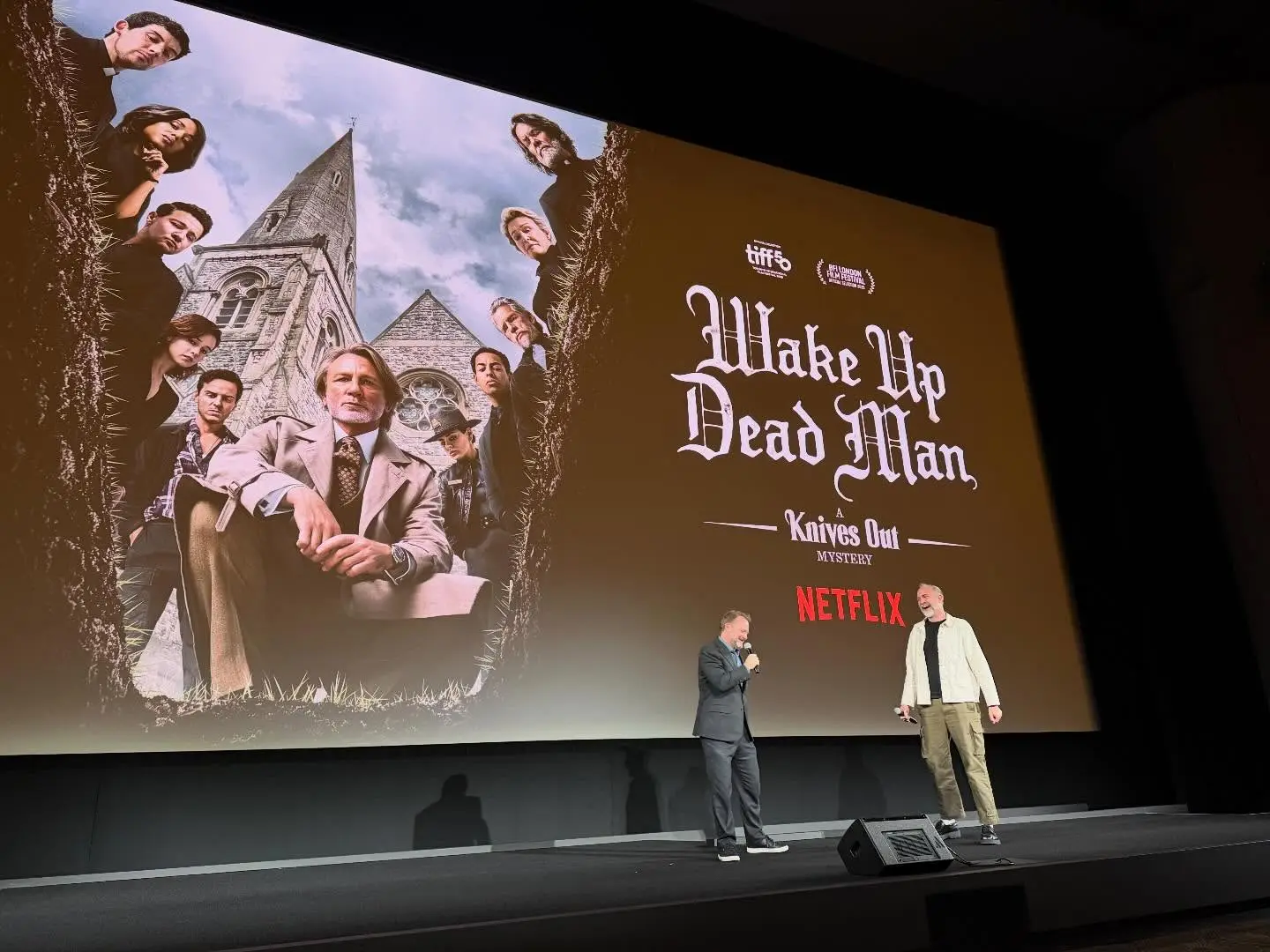
From my own experience working inside the industry, I don’t attend screenings just to watch a movie. I go when the screening itself feels like an event—when it creates space for something more.
Often, the film is followed by a conversation with the filmmakers. Sometimes I meet members of the cast. In many cases, there’s a reception, a shared meal, or unstructured time simply to talk. In those moments, I’m able to expand my circle—meeting other filmmakers and creators, people with insight into their own productions across film, television, and digital media. Those conversations stay with me. They challenge how I think, how I see the work, and how I see myself within it.
That isn’t passive viewing. It’s cultural participation. And more than that, it’s personal growth. The screening isn’t just a screening—it’s an opportunity to learn, to connect, and to walk away changed, even if only in subtle ways. And it reflects exactly what research continues to show audiences still value about theatrical moviegoing.
What the Data Actually Tells Us About Theaters Today
When we step back and look at the data, a clear conclusion emerges.
Audiences still want theatrical experiences. They will show up in massive numbers when a film feels essential. However, they are no longer willing to attend by default.
Movie theaters are not competing with streaming on convenience. They are competing on meaning, scale, and shared cultural relevance.
The billion-dollar films of recent years don’t prove that movie theaters are fully back. They prove that the definition of a theatrical film has narrowed.
Cinema isn’t disappearing. It’s being repositioned — from a routine habit to a cultural event.
And the films that understand that reality are the movies still filling theaters around the world.
Related reading:
How Hollywood Is Becoming a Creator Economy