The Summer Movies That Reshaped Blockbuster Culture
As audience behavior changes again, these five landmark films show how summer movies became more than releases. They became cultural events.
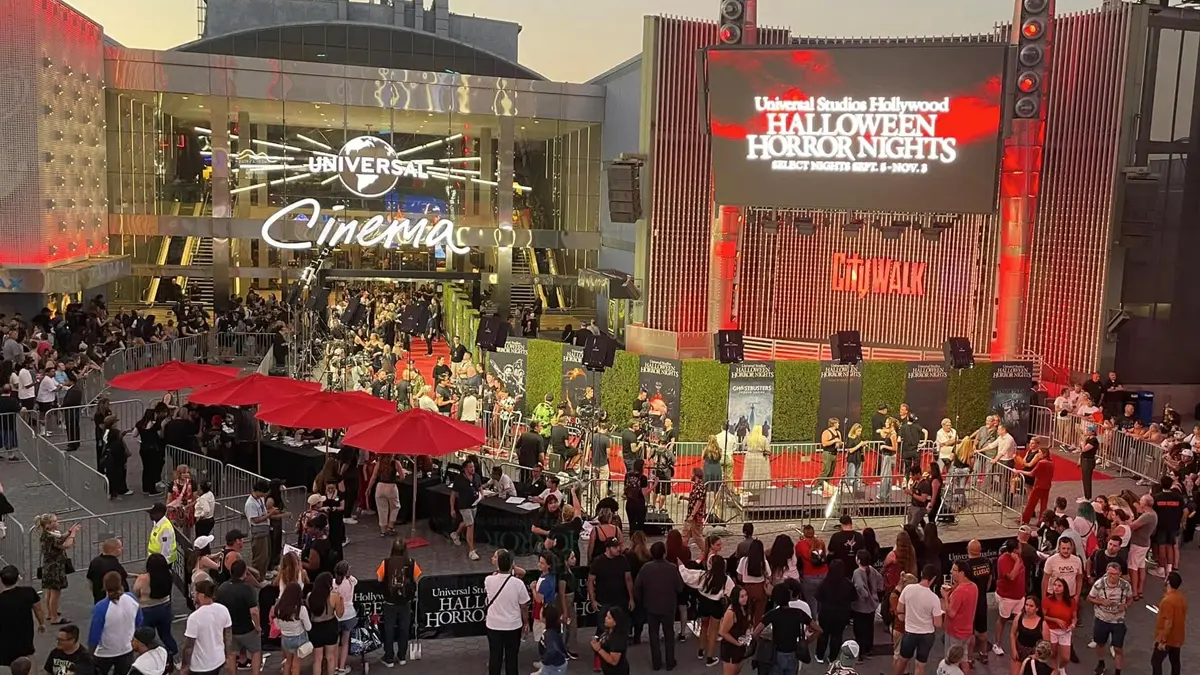
Hollywood has never fully known what defines blockbuster culture. Studios can spend years developing a film, build enormous production schedules, hire world-class talent, and still have no guarantee that audiences will respond. Every major movie carries risk. The studio puts up the money, manages the production, plans the marketing, and works toward a release date that often functions as a tentpole moment for the entire season.
By the time audiences see the finished film, millions of dollars and thousands of creative decisions have already been placed on the line. That uncertainty is part of what makes blockbuster history so fascinating. A studio can plan for success, but it cannot manufacture cultural impact on command. Audiences ultimately decide what becomes a phenomenon.
Summer movies once depended heavily on theatrical scale, national advertising, and opening-weekend momentum.
Today, blockbuster culture is also shaped by fandom, online conversation, trailer reactions, and audience participation.
These five films show how summer movies became cultural events that changed what audiences expected from Hollywood.
Why Summer Blockbuster Culture Is Changing Again
Today, that relationship is changing again. Audiences are not going to theaters as automatically as they once did, and blockbuster success now depends on more than simply opening on thousands of screens. Social media conversation, fandom participation, trailer reactions, meme culture, and communal anticipation increasingly shape how a film moves through popular culture before and after release.
The modern blockbuster is no longer just a movie. It is an event that audiences help build around the movie.
Looking back, certain summer films did more than dominate the box office. They reshaped what audiences expected from blockbuster entertainment itself. From Jaws to Avengers: Endgame, these films show how blockbuster culture evolved from theatrical suspense to global fandom participation.
1. Jaws Changed Summer Blockbuster Culture Forever
Before Jaws, summer was not considered the safest season for major Hollywood releases. The industry did not yet operate around the modern idea of a summer movie event. Steven Spielberg’s 1975 thriller changed that almost immediately. According to the Academy Museum, Jaws became the first summer blockbuster and forever changed the movie industry. Its success proved that a film released in the heat of summer could become a national obsession.
The film’s box office performance was historic. Jaws became the first movie to break $100 million at the box office, and its combination of suspense, television advertising, wide release strategy, and word-of-mouth excitement created a new model for Hollywood. A History feature on the film notes how it displaced The Godfather as the highest-grossing film up to that point and helped establish the summer blockbuster as an industry force.
What made Jaws so powerful was not only that people watched it, but that they experienced it together. The fear worked best in a crowded theater. The shark became a shared cultural anxiety. The music, the beach, and the waiting became part of the audience experience. In that sense, Jaws did not simply launch a hit movie. It taught Hollywood that summer audiences could be gathered around suspense and communal reaction.
2. Star Wars Turned the Blockbuster Into a World
If Jaws helped invent the summer blockbuster, Star Wars expanded what a blockbuster could become. Released in 1977, George Lucas’s space fantasy did not simply succeed as a movie. It created a universe audiences wanted to revisit, collect, debate, and inhabit. The film transformed science fiction into mass entertainment by blending adventure, mythology, visual effects, and emotional simplicity into something that felt both new and familiar.
The larger impact of Star Wars went far beyond ticket sales. The Smithsonian’s National Air and Space Museum has described how Star Wars gave rise to an innovative mass-marketing campaign for toys and other products that became an industry model. That merchandising strategy strengthened the bond between moviegoers and the world of the film, extending the experience far beyond the theater.
Star Wars helped make blockbuster culture feel participatory. Audiences were not only watching a movie. They were beginning a relationship with an entire fictional universe.
This is where blockbuster culture began to look more like fandom culture. Audiences were no longer only watching a story unfold. They were building a relationship with a fictional universe. The toys, costumes, fan discussions, conventions, and expanded storytelling helped turn Star Wars into a participatory experience. Modern franchise culture owes an enormous debt to that shift, because Star Wars showed studios that audiences would not only buy a ticket. They would follow a world.
3. Jurassic Park Changed What Audiences Believed Movies Could Show
By the time Jurassic Park arrived in 1993, the summer blockbuster had already become a major Hollywood tradition. Yet Spielberg changed the rules again by altering what audiences believed was visually possible. The film did not simply feature dinosaurs. It made audiences feel as if dinosaurs had returned to the earth and walked into the frame with human actors.
Industrial Light & Magic notes that Jurassic Park used fewer than 60 fully computer-generated dinosaur shots, but those images became central to the film’s impact. The movie won the Academy Award for Best Visual Effects, and the illusion of living dinosaurs reset audience expectations for spectacle. The Smithsonian has also written about how Jurassic Park helped push computer-generated animation forward by integrating digital creatures into live-action filmmaking in a way that felt physically believable.
After Jurassic Park, the blockbuster became increasingly tied to technological wonder. Audiences did not simply want bigger stories. They wanted to see things they had never seen before. That shift helped define the next several decades of effects-driven filmmaking, from disaster movies to superhero universes. The film made the theater feel like a place where impossible images could become convincing, emotional, and thrilling.
4. The Dark Knight Made the Superhero Blockbuster Feel Serious
Superhero films existed long before The Dark Knight, but Christopher Nolan’s 2008 film changed how many audiences and studios thought about the genre. It arrived as a summer blockbuster, but it carried the weight and texture of a crime drama. Instead of treating comic-book storytelling as pure escapism, the film leaned into moral uncertainty, urban fear, and psychological conflict.
The film’s impact can still be felt in the way Hollywood discusses prestige blockbuster filmmaking. The Atlantic argued that The Dark Knight helped legitimize the superhero film, while The Hollywood Reporter described it as arguably the first prestige superhero movie. That does not mean it was the first serious comic-book adaptation, but it did become a major turning point in how much seriousness mainstream audiences would accept from superhero cinema.
What changed after The Dark Knight was expectation. Audiences no longer assumed a comic-book blockbuster had to be light, disposable, or purely spectacular. The film suggested that summer movies could carry thematic ambition while still functioning as mass entertainment. It also showed studios that genre films could dominate popular culture while being treated as serious cinema.
5. Avengers: Endgame Turned Blockbuster Culture Into a Global Ritual
By the time Avengers: Endgame opened in 2019, blockbuster culture had entered a new phase. The film was not just the next Marvel release. It was the payoff to more than a decade of interconnected storytelling. Audiences had followed characters across years, films, post-credit scenes, trailers, interviews, fan theories, and online speculation. The movie arrived with the weight of an ending that audiences felt they had helped anticipate.
The scale of the response was historic. The Hollywood Reporter reported that Avengers: Endgame opened to a global launch of $1.2 billion, including $356 million in North America and $866 million overseas. The Guardian also noted that it became the first film to earn more than $1 billion in its debut weekend worldwide. Those numbers are staggering, but the cultural experience around the film may be even more important.
Endgame represented blockbuster participation at full scale. Audiences avoided spoilers together, reacted together, posted together, and treated the opening weekend as a shared cultural ritual. Theater reactions became part of the film’s mythology. Online discussion extended the experience before and after people saw it. In many ways, Endgame showed what the modern blockbuster had become: not just a movie on a screen, but a global event powered by years of emotional investment and audience participation.
What These Films Tell Us About Blockbuster Culture Now
Each of these films changed blockbuster culture differently. Jaws proved that summer could become Hollywood’s biggest season. Star Wars turned a hit film into a world audiences could live with. Jurassic Park raised expectations for spectacle by making the impossible feel real. The Dark Knight showed that superhero movies could carry dramatic weight. Avengers: Endgame revealed how deeply participatory blockbuster culture had become in the social media age.
What connects them is not simply box office success. It is the way each film changed audience behavior. After these movies, audiences expected something different from the next major release. They expected more event value, more immersion, more emotional investment, or more connection to a larger cultural conversation. That is what makes them important. They did not merely perform well within the system. They helped reshape the system itself.
Today, that system is changing again. Theatrical attendance is more selective, streaming has altered viewing habits, and audiences have more entertainment options than ever before. At the same time, people still want shared experiences. They still want to feel part of something larger than themselves. The blockbuster is not dead. It is evolving.
The next great summer movie may succeed because it gives audiences a reason to gather, react, discuss, share, and participate.
The films that define the next era may not succeed only because they are expensive or widely released. They may succeed because they give audiences a reason to gather, react, discuss, share, and participate. That has always been the secret power of the great summer movie. It does not just fill theaters. It creates a moment people want to experience together.
Related Reading
Continue exploring the changing entertainment landscape through DerksWorld’s coverage of movies, culture, and animation.