How Audience Participation Is Reshaping Entertainment
From anime fandoms and creator communities to livestreams and social discovery, modern audiences are no longer just consuming entertainment — they are becoming part of it.
There was a time when audiences consumed entertainment passively. Television networks dictated schedules, movie studios controlled distribution, and audiences gathered around a relatively small number of cultural experiences at the same time each week. Whether it was primetime television in the 1980s or blockbuster franchise culture in the early 2000s, entertainment largely operated as a one-way relationship. Studios created content, audiences consumed it, and success was measured primarily through scale.
What has emerged instead is a new era of participatory entertainment, where audiences increasingly expect to engage with media rather than simply consume it. However, over the last decade, audience behavior has fundamentally changed. The internet did not simply create more content platforms. Instead, it transformed audiences from passive viewers into active participants. As a result, modern entertainment increasingly revolves around participation, community engagement, fandom interaction, creator accessibility, and social discovery.
The biggest shift in modern entertainment may not be technological. It may be behavioral.
Audiences are no longer just watching entertainment after it is released. They are helping shape how it spreads.
Fandom communities now create discussion, discovery, momentum, and long-term loyalty around films, shows, music, games, and creators.
The result is a media culture where participation has become part of the entertainment experience itself.
Entertainment Used to Be Built Around Passive Audiences
For decades, entertainment companies operated under a relatively straightforward business model: gather the largest possible audience at the same time. Distribution was limited, and audiences largely consumed whatever was available through a relatively small number of channels. Whether someone was going to the movies on a Friday night or sitting down for primetime television, the companies controlling distribution also controlled visibility, conversation, and ultimately audience attention.
Even the rise of streaming initially followed many of the same ideas. Platforms like Netflix helped remove scheduling restrictions, but the overall strategy still revolved around scale and content dominance. The assumption was simple: if a platform could offer enough exclusive programming and keep viewers inside its ecosystem long enough, audience loyalty would naturally follow.
Yet younger audiences increasingly consume entertainment differently. According to Deloitte’s Digital Media Trends research, younger audiences increasingly use social platforms, creator content, and online communities as entertainment discovery engines. In other words, discovery itself has become social.
Audience Participation Has Become Part of the Entertainment Experience
One of the most important changes in modern media culture is that audience interaction is no longer separate from entertainment itself. In many cases, participation has become part of the product.
Fans now extend entertainment ecosystems far beyond the original content. They create reaction videos, fan theories, artwork, edits, livestream commentary, social memes, and online communities dedicated to ongoing discussion. Discord servers, Reddit threads, TikTok trends, and YouTube analysis channels often continue driving engagement long after a show, game, film, or livestream originally premieres.
This is also where creator-owned animation becomes an important part of the larger story. Independent studios and online-first creators are not only releasing entertainment; they are building communities around it.
Participatory Entertainment and the Rise of Superfans
The rise of highly engaged fandom culture has also transformed the economics of entertainment itself. Increasingly, both major entertainment companies and independent creators rely not simply on large audiences, but on deeply invested communities that remain emotionally connected long after a film, series, or livestream ends.
Unlike casual viewers who may briefly watch something and move on, superfans continue participating in the larger ecosystem surrounding the entertainment they love. The Star Wars community is one of the clearest examples of this. Fans do not simply watch the films; they attend conventions, discuss theories online, collect merchandise, follow creator interviews, and help keep the conversation alive between releases. In many ways, these communities have become part of the long-term engine sustaining modern entertainment brands.
According to Deloitte’s research on fandom behavior, highly engaged fans are more likely to spend money, share content, and follow entertainment ecosystems across multiple platforms. Consequently, emotional investment has become economically valuable in ways traditional entertainment models did not fully anticipate.
Superfans are not just watching from the sidelines. They are helping entertainment properties remain active, visible, and culturally alive between releases.
Why Authenticity and Accessibility Matter More Than Ever
One of the most discussed aspects of modern audience behavior is the growing importance of authenticity. While the term itself is often overused, the broader trend is supported by measurable behavioral research.
Edelman’s Trust Barometer has repeatedly found that audiences increasingly place trust in peer communities, creators, relatable personalities, and socially accessible voices over highly polished institutional messaging.
This does not mean audiences reject professionalism or cinematic production value. Rather, audiences increasingly reward environments that feel emotionally honest, participatory, and socially connected.
How Participatory Entertainment Spreads Through Social Media
Another major transformation involves how audiences discover and emotionally connect with entertainment. In previous eras, studios and television networks relied heavily on advertising campaigns, trailers, press coverage, and scheduled promotional appearances to generate awareness. While those strategies still exist, modern entertainment increasingly spreads through audience interaction and online community engagement.
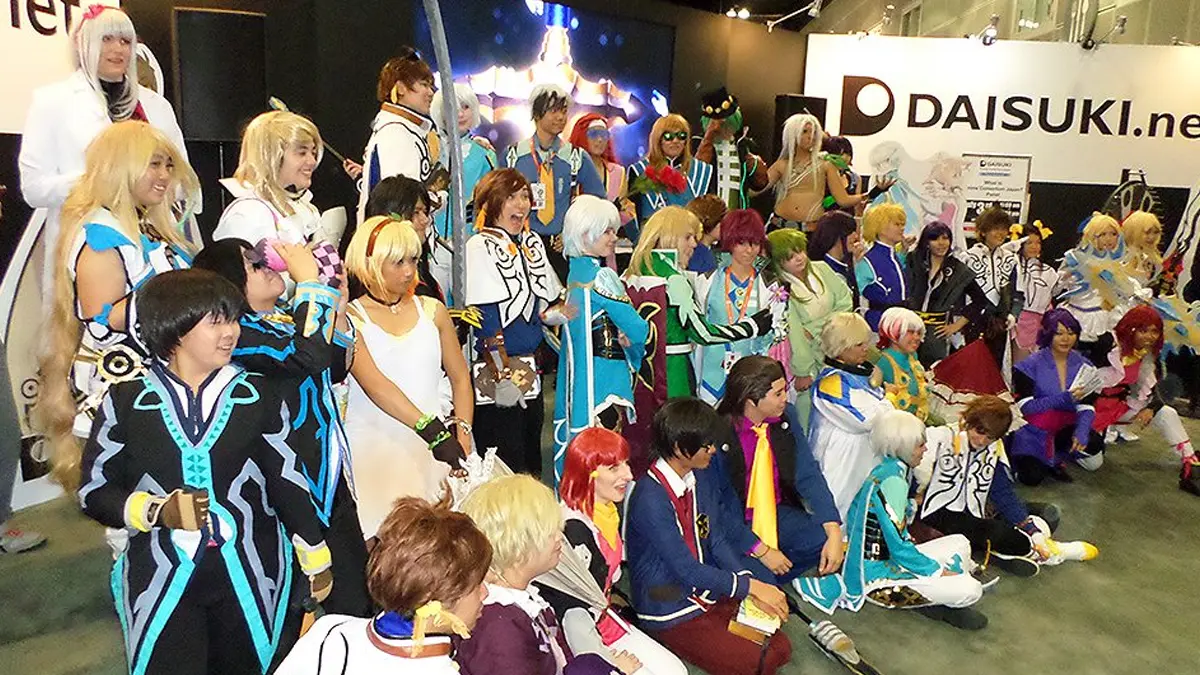
Anime fandom offers one of the clearest examples of this shift. Fans regularly use platforms like TikTok and Discord to discuss new episodes, share theories, react to major scenes, recommend series to one another, and build communities around shared interests. A single emotional moment from a show can quickly circulate through thousands of fan accounts, reaction videos, and discussion threads within hours of release. In many cases, audiences are not simply reacting to entertainment after the fact; they are actively helping expand its visibility in real time.
As a result, online participation increasingly functions as a form of cultural validation. When audiences repeatedly encounter passionate discussions and fan-created content surrounding a particular series, the entertainment begins to feel culturally alive. This helps explain why certain anime titles suddenly gain enormous momentum online even without massive marketing campaigns behind them. The excitement becomes communal, and audiences feel less like passive viewers and more like participants joining an ongoing conversation.
Hollywood Is Adapting to Participatory Entertainment
None of this necessarily means traditional entertainment companies are becoming irrelevant. In fact, major studios, streaming platforms, and media corporations are already adapting to these changing audience expectations.
Streaming services increasingly encourage social interaction around content through online discussion, behind-the-scenes material, creator interviews, fan engagement campaigns, and algorithmically amplified conversation. Major franchises now depend heavily on fandom culture, online theory communities, convention appearances, livestream reveals, and social engagement strategies to maintain visibility between releases.
In many ways, Hollywood is learning that modern audiences want more than passive consumption. They want involvement. They want connection to creators, communities, characters, conversations, and cultural moments that feel socially alive.
This evolution does not mean Hollywood is disappearing. It means the industry is adapting to audiences who expect entertainment to feel more interactive, social, and emotionally connected.
The Future of Entertainment May Belong to Participatory Ecosystems
The future of entertainment will likely not belong exclusively to the companies with the biggest budgets or the largest streaming catalogs. Increasingly, success may depend on which ecosystems generate the strongest emotional participation, community engagement, and audience connection.
Importantly, this evolution does not necessarily signal the end of Hollywood, streaming platforms, or traditional media. Instead, it reflects a broader transformation in audience expectations themselves. It also connects to the larger shift explored in how creator communities are changing modern media.
Entertainment is no longer simply something audiences watch. Increasingly, it is something they join.
Related Reading
Continue exploring the changing entertainment landscape through DerksWorld’s coverage of industry trends, culture, and animation.