What I Keep in Mind When I Draw
A Reflection on Instinct, Spirit, and the Quiet Language of Line
Developing Your Art Style and Artistic Voice
Developing your art style isn’t something I set out to engineer — it’s something I discovered by accident. People often ask how I approach drawing. Some artists study style obsessively — analyzing technique, perfecting realism, refining their work to echo a specific aesthetic. I respect that discipline. But I’ve never been able to work that way.
When I was younger, I noticed something about myself: I couldn’t convincingly draw like someone else. I could admire another artist. I could study their work. But when I tried to replicate it, something in me resisted. The line would shift. The proportions would subtly change. The energy would become something else entirely.
For a while, I thought that meant I lacked control. Eventually, I realized it meant I had a voice.
Instead of fighting my instincts, I began to follow them. Whatever surfaced in my mind, I let it come through the hand first — unfiltered, unpolished. Refinement could come later. But the first translation had to be honest. Once I stopped trying to imitate and started interpreting, drawing became less tense and more alive. Developing your art style, for me, meant accepting that imitation would never feel natural.
“My hand doesn’t want to replicate — it wants to interpret.
The Artistic Process: Drawing from Instinct First
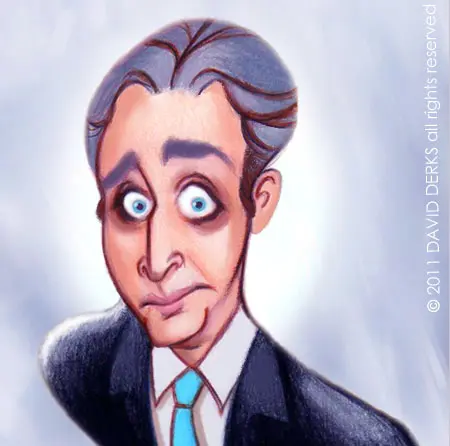
Almost everything I create begins as a fleeting image in my head. Sometimes it’s clear. Sometimes it’s fragmented. I sketch it quickly before it fades. Those early lines are instinctive. I don’t interrogate them. I let them move.
Later, I adjust the composition, strengthen the gestures, and clarify form. But the pulse of the piece is established in that first moment of trust. If that instinct feels right, the drawing carries energy. If it doesn’t, no amount of technical refinement can fully revive it.
Drawing, for me, begins with listening.
Caricature Drawing: Capturing the Spirit Beyond Likeness
That instinct becomes especially important when I draw people.
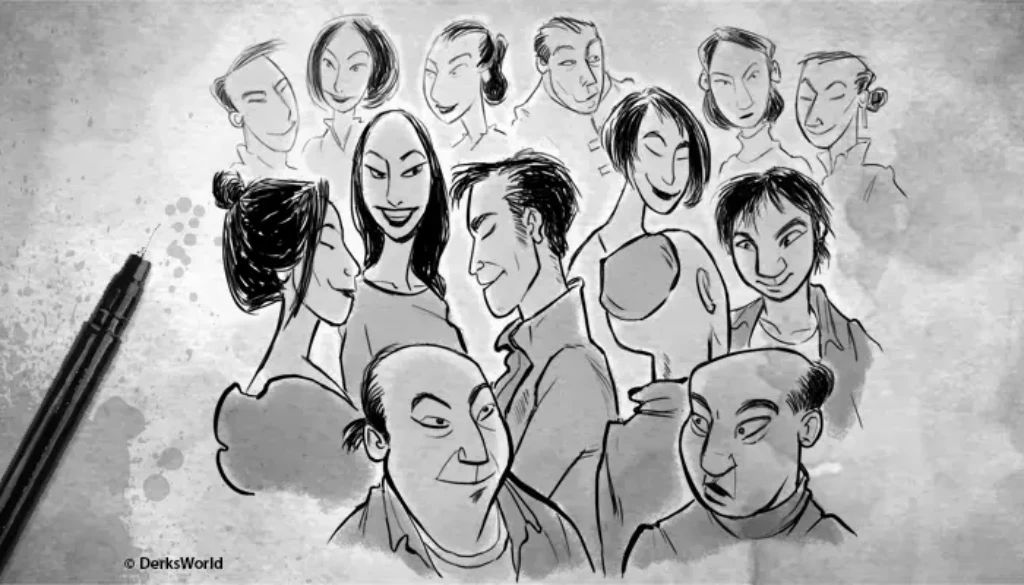
A caricature is not simply a distortion. It must resemble the subject, but resemblance is only the surface. What I’m searching for is something less visible. When I watch a public figure speak, perform, or even stand in silence, I form impressions. There’s a rhythm to their posture. A tension in their expression. A presence that goes beyond bone structure.
When I draw them, I’m not copying a photograph. I’m translating that presence.
“A caricature must resemble the face — but it must reveal the spirit.”
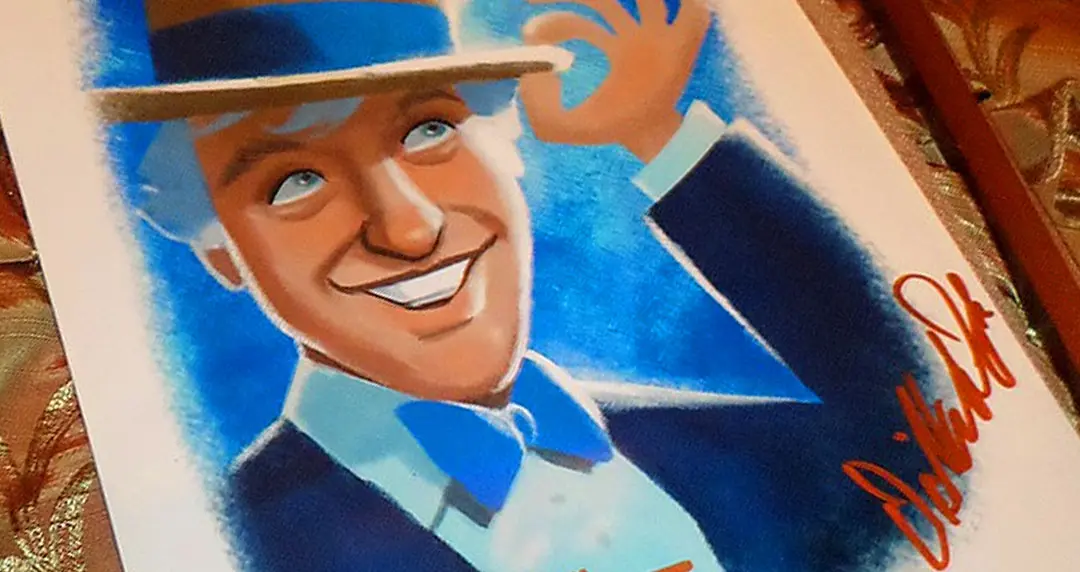
Whether or not I know the person privately doesn’t matter. What matters is what I perceive. The drawing becomes a record of that perception. It is less about anatomy and more about essence. Hopefully, there’s enough truth in my art that others will agree with.
Visual Storytelling Through Composition and Detail
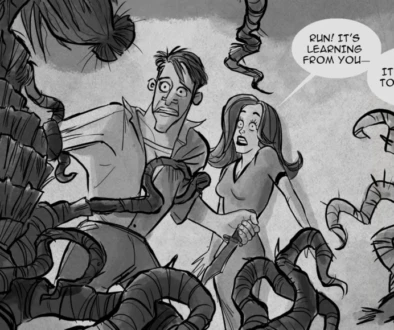
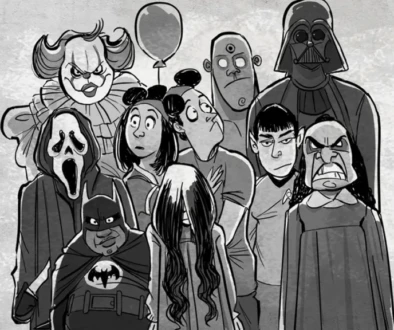
That same sensitivity carries into everything I draw. A tilt of the head can suggest defiance or vulnerability. A shadow can add quiet drama. The space around a figure can feel expansive or isolating. Nothing in an image is neutral. Every decision carries meaning, even when it appears subtle.
I’ve always been fascinated by how artists communicate without words — how framing, shape, and light create emotional tone. The way composition directs attention and creates emotion is a craft in itself, and it’s explored well in resources like Tate’s overview of composition in art.
The history of caricature has always been about character and exaggeration more than literal accuracy, and institutions like The Metropolitan Museum of Art show how this tradition has evolved.
Style, in that sense, is not decoration. It is perspective made visible.
“Every detail in a drawing is part of the narrative.”
Why Honesty in Art Matters
Over time, I’ve learned not to rush to correct what feels unusual. If a proportion stretches slightly, I ask what it’s saying before I force it back into realism. If a composition leans off-center, I consider the tension it creates. Drawing is not about eliminating irregularity; it’s about understanding it.
What I keep in mind when I draw is simple: be honest about what I see and what I sense. If the line feels true, it carries weight. If it doesn’t, no amount of polish will rescue it.
Developing your art style isn’t about mastering someone else’s technique. It’s about recognizing what your instincts are already trying to say. When you are being the best version of yourself, your voice becomes your superpower. Art, at its best, is not just representation. It is a revelation.
When I draw, I’m not trying to capture the world exactly as it appears. I’m trying to capture what moves beneath it — the quiet current of spirit, mood, and perception that most people pass by without noticing.
The paper becomes a window.
And if I’ve done it right, the viewer doesn’t just see the drawing — they feel something looking back.