Why Fandom Is the New Marketing
Fandom is the new marketing, and companies that understand this shift are reshaping how brands grow. There was a time when marketing revolved around volume and visibility. Companies purchased television spots, dominated billboard space, and saturated digital platforms with banner ads in the hope that repeated exposure would eventually translate into revenue. The assumption was simple: if enough people saw the message often enough, the product would succeed.
That strategy still exists, but it no longer drives cultural momentum.
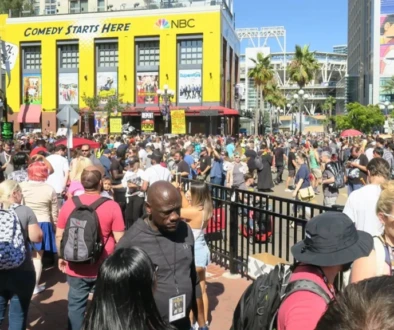
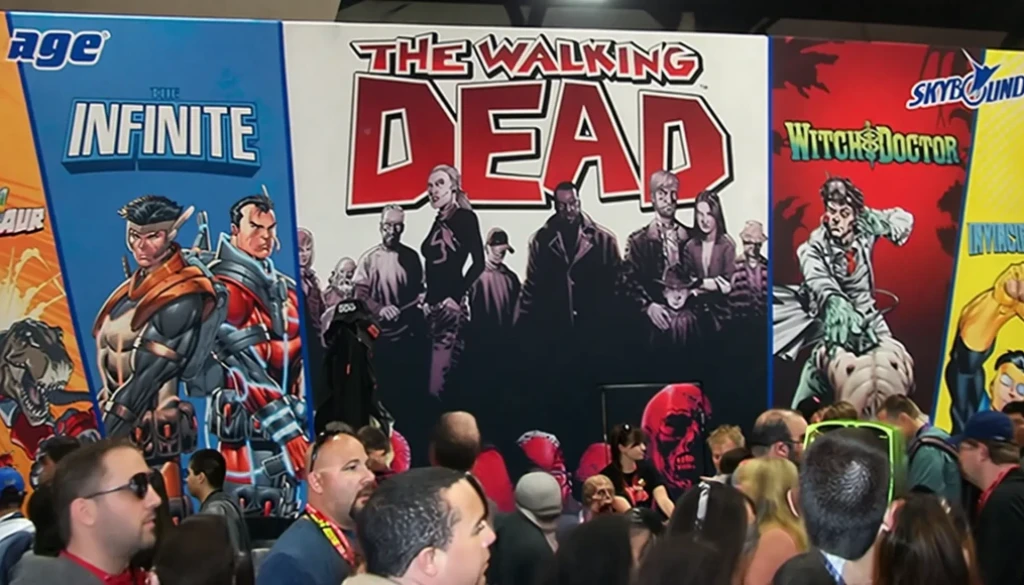
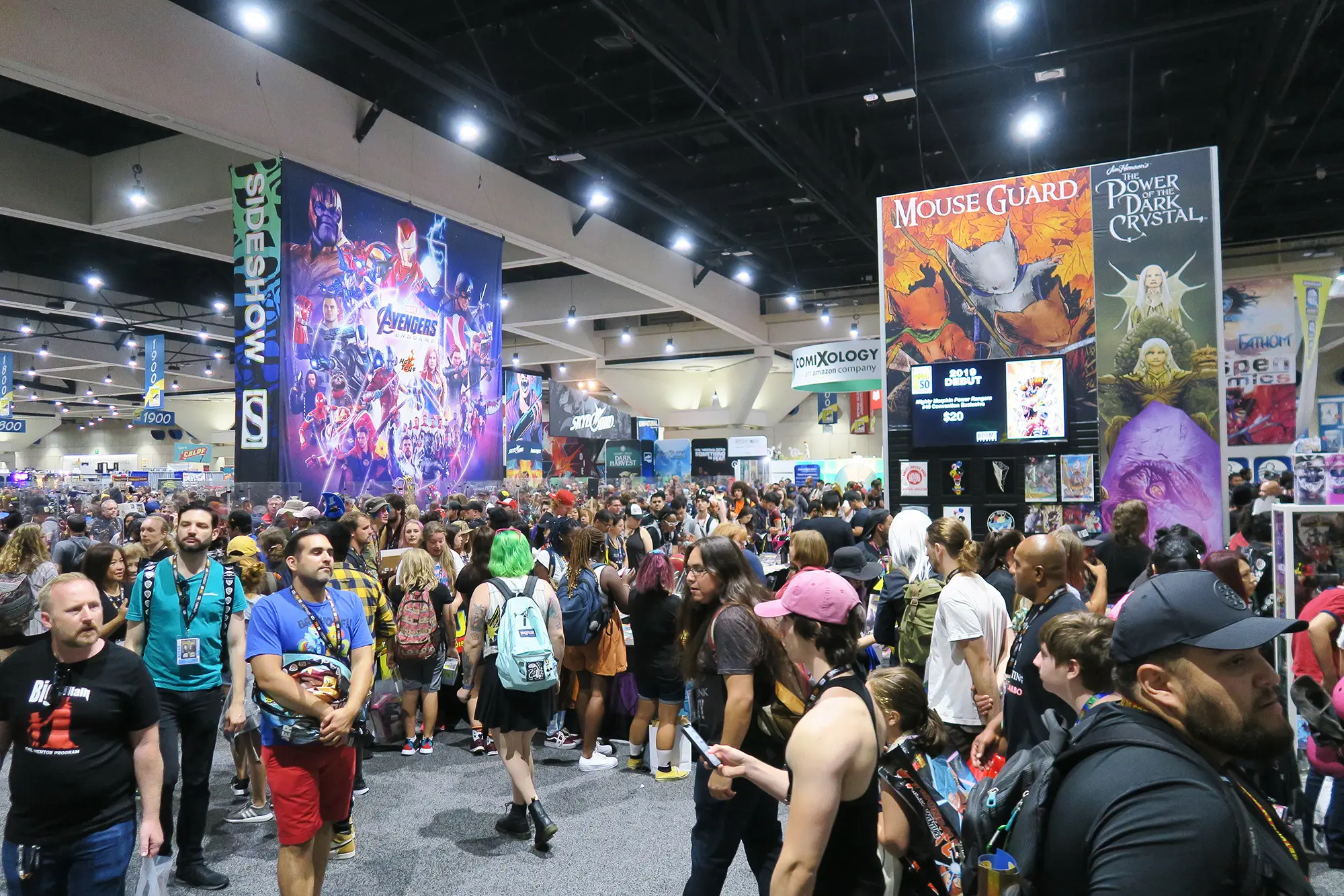
Today, marketing power does not come from interruption. It comes from participation. In animation culture, gaming communities, comics, and convention spaces, audiences are no longer passive recipients of promotional messaging. They expand, interpret, remix, and amplify the stories they care about. What once looked like fan enthusiasm has become a strategic advantage.
Fandom is no longer a side effect of success. In many cases, it is the reason success happens.
Why Fandom Is the New Marketing Strategy
Traditional marketing treated the audience as the final step in a funnel. Awareness led to interest, interest led to purchase, and purchase completed the cycle. Once the sale was made, the process restarted with the next campaign.
Fandom breaks that linear path.
When someone becomes a fan, they are not simply buying a product. They are aligning themselves with a story, a world, or a set of characters that reflect something personal. Fans rewatch trailers, debate plot points online, create fan art, attend panels, and introduce others to the property. Participation replaces passive consumption.
That participation makes marketing more sustainable. Emotional connection turns into advocacy, and advocacy travels farther than advertising ever could. This is why fandom is the new marketing model for brands seeking long-term relevance.
Fandom as Business Strategy
Several major corporations have realized that fandom is not something to observe from a distance. It is something to support and design for.
Consider The Walt Disney Company. Disney’s growth over the past two decades has not depended on individual releases alone. Instead, the company has built interconnected ecosystems across Marvel, Lucasfilm, Pixar, and its classic animation catalog. A theatrical film expands into streaming series, theme park experiences, licensed merchandise, and convention programming. Characters evolve into cultural touchstones that extend far beyond their original stories.
A different but equally revealing example is LEGO. What began as a toy company evolved into a creative platform. LEGO recognized that adult fans were not merely nostalgic buyers; they were builders who treated the bricks as a storytelling medium. Through initiatives such as LEGO Ideas, where fan-submitted designs can become official products, the company invited its community into development itself. In doing so, LEGO blurred the line between creator and customer.
In the gaming space, Epic Games offers another case study. Fortnite operates as more than a competitive game. It functions as a social environment where live concerts, limited-time events, and character crossovers unfold in real time. Players experience these moments together, and that shared experience generates organic conversation across platforms.
Meanwhile, Fandom has built its business around the conversation itself. By hosting thousands of fan-driven wiki communities, the company provides a digital home where lore is documented, theories are debated, and canon is analyzed. The platform demonstrates that discussion can be as economically powerful as creation.
Finally, Hasbro shows how legacy brands can adapt. With properties such as Dungeons & Dragons, the company embraced livestream campaigns, convention programming, and cross-media partnerships that encourage communal storytelling. Rather than restricting interpretation, Hasbro amplified participation.
What These Companies Have in Common
Although these organizations operate in different industries, their strategies share a common thread. Each builds worlds rather than isolated products. Engagement extends well beyond launch windows. Participation is rewarded instead of sidelined.
Most importantly, these companies understand that identity sustains attention. Once someone feels connected to a property, they carry it into conversations, social platforms, conventions, and creative spaces. Visibility grows through enthusiasm rather than repetition. When we say fandom is the new marketing, we mean that connection now outperforms promotion.
Why Community Outlasts Campaigns
Advertising can create awareness, but awareness fades quickly. Community creates continuity.
Marketing once ended at purchase. In today’s landscape, the relationship begins there. When audiences feel ownership, they become advocates. Advocacy spreads naturally because it is rooted in emotion rather than obligation.
For creators working in animation, comics, gaming, or film, this shift changes the objective. It is no longer enough to attract attention at launch. The deeper goal is to build worlds and characters that invite participation and sustain discussion. Spectacle may open the door, but belonging keeps people inside.
The Future of Marketing Is Community
As content ecosystems become increasingly crowded, the companies that thrive will be those that design for connection rather than interruption. They will focus on creating spaces where audiences feel invested enough to continue the conversation long after a campaign ends.
Fandom has not replaced marketing.
It has reshaped it.
And that is why fandom is the new marketing.