Rise of Manga in the West: How Japanese Comics Took Over
The Rise of Manga in the West and the Role of Anime
To understand the rise of manga in the West, it is essential to define anime. Anime refers to animation produced in Japan. It is not a genre and not a single art style, but rather a medium capable of expressing a wide range of visual aesthetics and narrative approaches.
While anime is often associated with stylized character designs or expressive animation, those elements are not universal. Anime storytelling can be fast-paced or quiet, humorous or tragic, fantastical or grounded in realism. Because of this flexibility, anime became an effective introduction to Japanese storytelling for Western audiences.
Anime as the Gateway to the Rise of Manga in the West
During the 1990s and early 2000s, anime reached Western audiences primarily through television. Series such as Dragon Ball Z, Pokémon, and Sailor Moon introduced serialized storytelling that unfolded over long arcs rather than episodic resets.
As viewers discovered that these animated series were adapted from manga, curiosity followed. Manga felt familiar rather than foreign. Anime did not aggressively market manga; instead, it quietly prepared audiences to understand it.
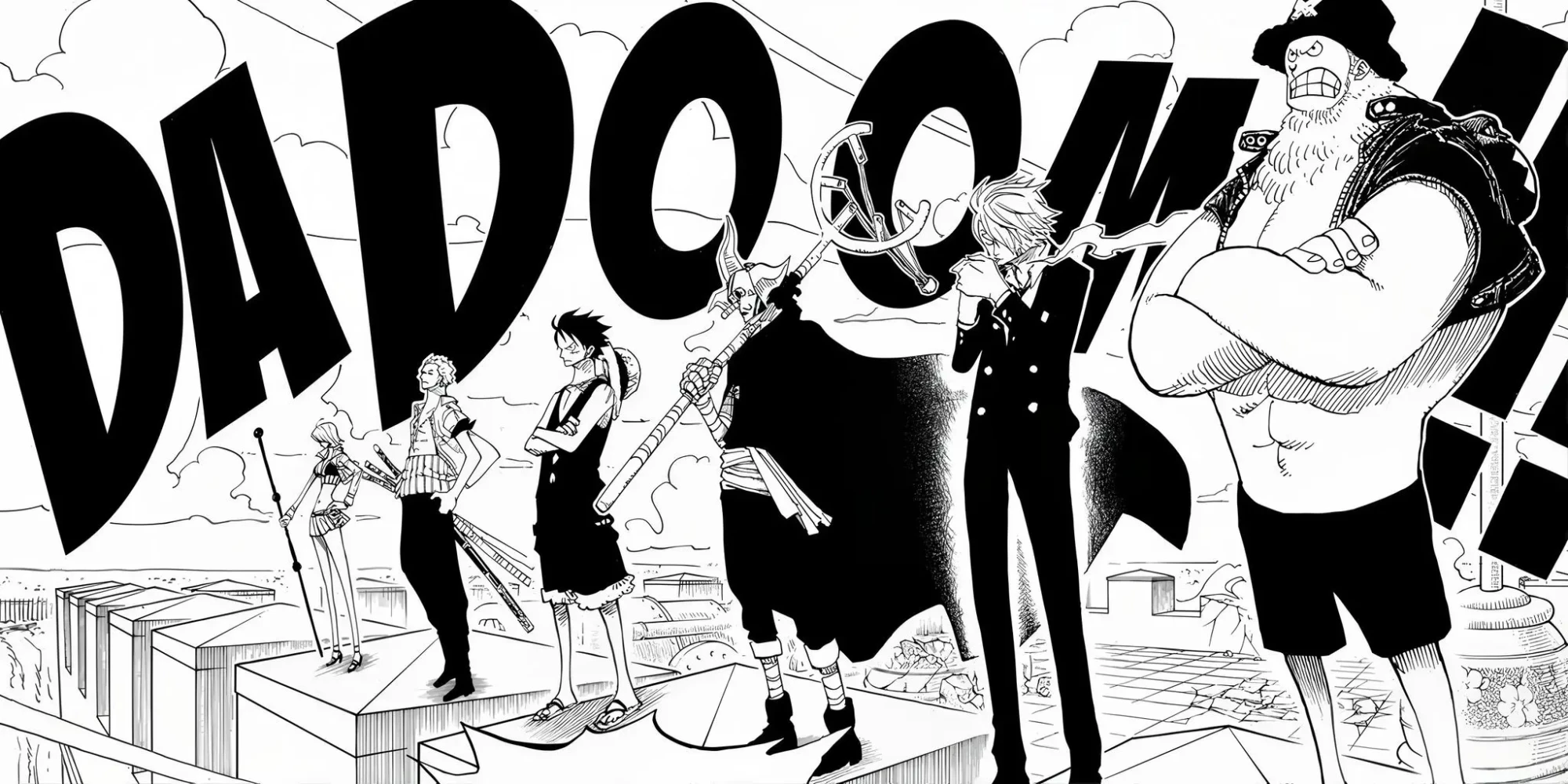
Why the Rise of Manga in the West Was Fueled by Complete Stories
One major reason for the rise of manga in the West is its commitment to narrative closure. Most manga series are guided by a single creator or small team with a defined beginning, middle, and end.
This structure contrasted sharply with American comic publishing, which increasingly relied on shared universes and constant reboots. For readers seeking emotional payoff and story resolution, manga felt intentional and trustworthy.
Genre Variety and the Rise of Manga in the West
Another driving force behind the rise of manga in the West is genre diversity. Manga never limited itself to superheroes. Instead, it embraced stories about sports, romance, grief, ambition, horror, and everyday life.
This range allowed manga to reach readers who had never considered themselves comic fans. Manga simply presented itself as storytelling, not a niche identity.
How Bookstores and Libraries Accelerated the Rise of Manga in the West
Manga’s success was also shaped by where readers encountered it. Unlike American comics, manga found wide exposure in bookstores and libraries. Thick paperback volumes were shelved alongside novels rather than treated as collectibles.
Libraries played a particularly important role by allowing readers to explore entire series without financial barriers. Over time, these early reading habits translated into long-term loyalty.
The Internet’s Role in the Rise of Manga in the West
Online communities, forums, and social platforms further accelerated the rise of manga in the West. Readers shared recommendations, discussed story arcs, and introduced new audiences to titles that later received official releases.
According to Anime News Network, manga sales growth has been closely tied to digital discovery and word-of-mouth engagement.

Massive Manga Sales: Before the anime, the manga was already a huge hit, selling tens of millions of copies, outperforming other popular series like Black Clover and Jujutsu Kaisen.
Manga’s Respect for Readers
Manga consistently treats readers as capable of engaging with complex emotions and ambiguous themes. Stories allow failure, silence, and unresolved tension, creating space for reflection.
This respect resonated with readers who felt underserved by overly simplified Western media, particularly in animation.
Final Thoughts on the Rise of Manga in the West
The rise of manga in the West was not driven by trends or hype. Instead, it emerged from strong storytelling, respect for readers, and a cultural moment shaped by anime, libraries, and digital communities.
Once considered a niche import, manga is now a foundational part of global pop culture—and its influence continues to grow.