Science Behind Comic Cons: Why Comic-Con Is So Popular
Why These Events Attract Millions—and Why They Make People So Happy
The science behind Comic Cons explains something I’ve been watching unfold for decades: these gatherings don’t just entertain people—they meet deep psychological needs for belonging, identity, and shared joy.
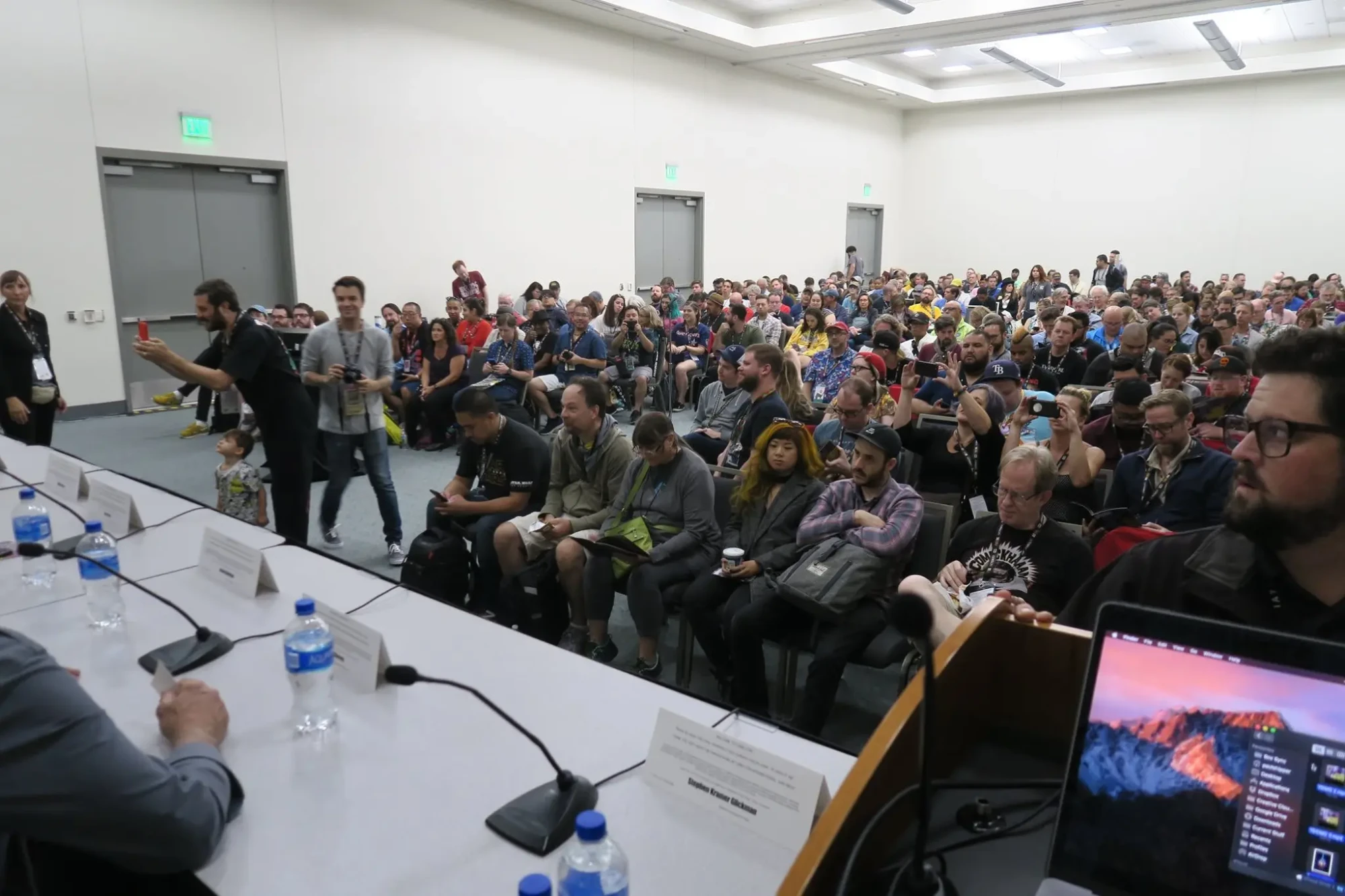
I’ve been going to San Diego Comic-Con since the 1980s, back when it was a much smaller, more niche gathering—largely focused on comic books, artists, and the people who genuinely lived and breathed that world. Over the decades, I’ve watched it morph into something far bigger: a sprawling celebration of pop culture that now includes film, television, gaming, animation, and entire fandom ecosystems.
Seeing that transformation firsthand sparked a long-running curiosity for me. How did an event that once felt almost underground grow into a cultural force that now draws hundreds of thousands of people from around the world? And more importantly, why do so many people leave Comic Cons feeling genuinely joyful, energized, and connected?
That curiosity led me into many lively conversations over the years with psychologists, cultural researchers, and others who study audience behavior and fan communities. Whether those conversations were formal or informal, one thing became clear: Comic Cons tap into multiple core human needs at the same time—and that combination is powerful.

Belonging and Shared Identity
One of the most consistent insights psychologists bring up is belonging.
Humans are wired to seek communities where they feel understood and accepted. In everyday life, niche interests are often compartmentalized or downplayed. Comic Cons flip that dynamic entirely. At a convention, enthusiasm isn’t something you have to explain or defend—it’s the norm.
Psychologists often refer to this as social identity reinforcement. When people gather around shared stories, characters, and worlds, they experience a sense of validation. That feeling of “these are my people” creates instant community, even among strangers, and significantly boosts emotional well-being.
(Internal link idea: add a link here to your Pop Culture or Culture category.)
The Evolution from Niche to Cultural Event
Having attended San Diego Comic-Con since the 1980s, I’ve seen this shift up close. Early Comic Cons were intimate and specialized. Over time—especially as television and film studios began recognizing the passion of these audiences—the conventions evolved into major cultural platforms.
This evolution wasn’t just about scale. It reflected a broader cultural change where fandom became more visible, more accepted, and more central to how people express identity.
Emotional Contagion and Collective Joy
Another recurring theme in conversations with psychologists is emotional contagion—the way emotions spread through groups.
Comic Cons are saturated with excitement. Panels, announcements, cosplay reveals, surprise guests—all of it generates shared emotional peaks. When people experience joy together, that joy intensifies.
This helps explain why Comic Cons can feel energizing even when they’re crowded or exhausting. The emotional return outweighs the physical effort.

Nostalgia as an Emotional Anchor
Nostalgia plays a major role as well.
Many fans associate comics, animation, television shows, and movies with formative moments in their lives. Psychologists describe nostalgia as a stabilizing emotion—it reconnects people to positive memories and a sense of continuity. Comic Cons make that nostalgia communal rather than private.
(Internal link idea: add a link here to your Animation category or a related animation article.)
Safe, Encouraged Self-Expression
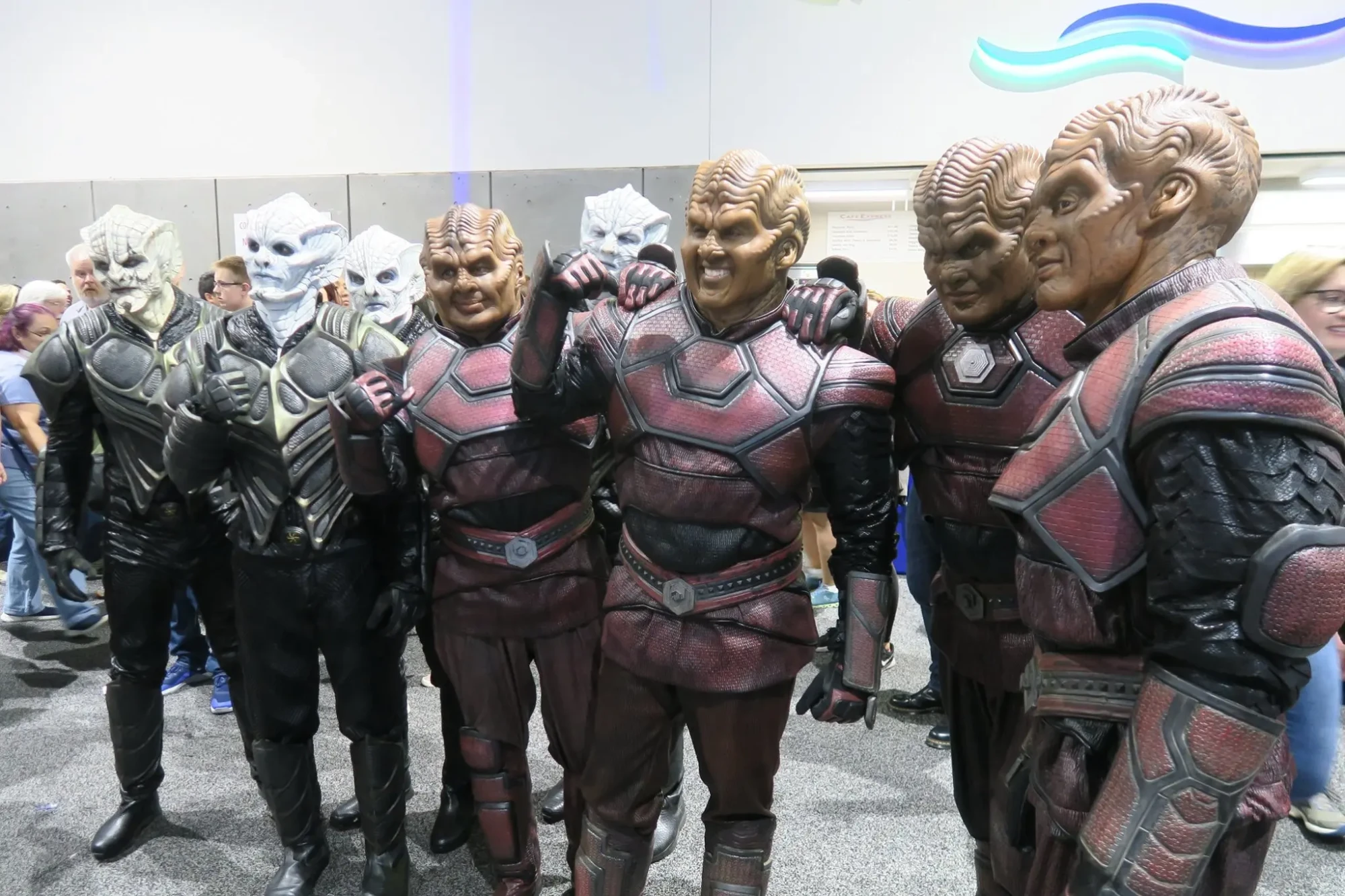
Cosplay is another aspect psychologists frequently reference when discussing Comic Con behavior.
Dressing as a character allows people to explore identity, creativity, and confidence in a socially supported environment. At Comic Cons, self-expression is not just allowed—it’s encouraged. That dramatically lowers social inhibition, making people more comfortable being authentic versions of themselves.
Live Experiences in a Digital World
In an era dominated by screens, Comic Cons also satisfy a craving for real-world, shared experiences.
Panels, live reactions, applause, laughter, and surprise moments create emotional memories that digital content alone can’t replicate. Psychologists often note that humans are still fundamentally wired for communal storytelling.
Why Comic Cons Continue to Thrive
After decades of attending Comic Cons—and countless conversations with psychologists and people who study fan culture—it’s clear why these events continue to grow.
The science behind Comic Cons comes down to a simple truth: they combine belonging, nostalgia, creativity, shared joy, and live human connection in one place. They don’t just celebrate pop culture; they create environments where people feel seen, connected, and energized.
From the small halls of the 1980s to today’s massive convention centers, Comic Cons have evolved—but the emotional core that draws people in has remained the same. And that, more than anything, explains their enduring popularity.