Why 90s Animation Still Hits Different
90s animation still hits differently because it focused on strong storytelling, emotional clarity, and visual craftsmanship in ways many modern animated projects no longer prioritize.
During the 1990s, animation studios trusted their audiences. Because of that trust, stories unfolded at a deliberate pace, characters felt emotionally grounded, and visuals carried meaning beyond spectacle. Even decades later, those creative choices continue to resonate.
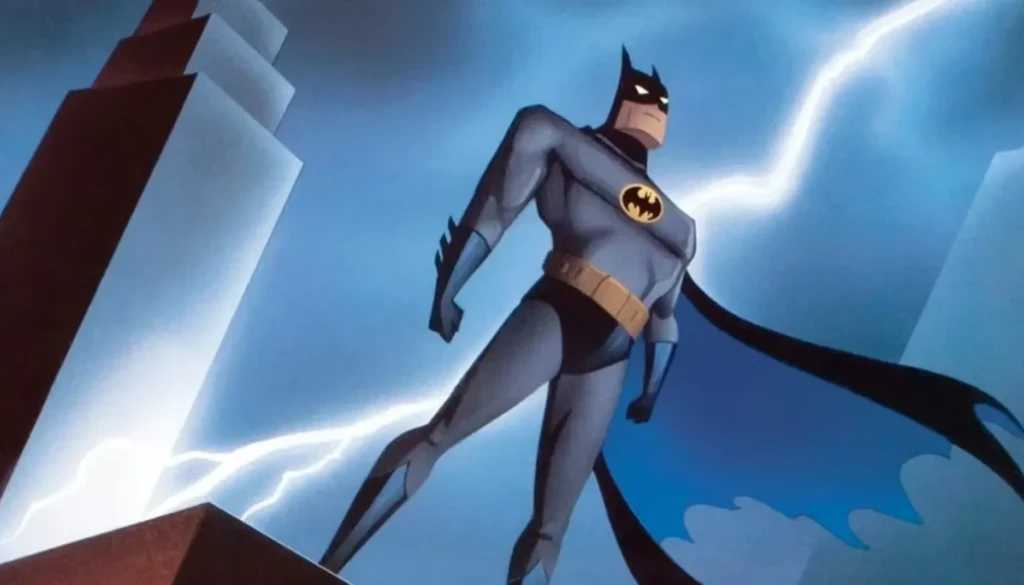
A classic example of this storytelling approach can be seen here:
What 90s Animation Did Better Than Most Modern Cartoons
Throughout the decade, animated series and films placed character at the center of the story. Rather than relying on constant jokes or visual overload, creators allowed scenes to breathe. As a result, emotional beats landed with greater impact.
When revisiting 90s animation, the difference becomes obvious. Characters struggled, evolved, and made meaningful choices. Because those journeys felt earned, audiences connected deeply with the worlds on screen.
Stronger Story Structure and Emotional Pacing
Storytelling during this era relied on clear structure. Episodes followed defined arcs, while feature films embraced classic narrative principles. Instead of chasing trends, creators focused on timeless themes such as identity, responsibility, and belonging.
Meanwhile, pacing played a crucial role. Quiet moments coexisted with action, allowing emotional moments to settle naturally rather than rush past.
This approach was obvious in feature animation from the Disney Renaissance:
The Power of Hand-Drawn Visuals
Hand-drawn animation defined much of the 1990s, and that craftsmanship showed in every frame. Each drawing carried intention, texture, and personality. As a result, the visuals supported the story instead of overwhelming it.
Even today, audiences respond to that tactile quality. While digital tools offer speed and efficiency, the warmth of traditional animation remains difficult to replace.
Why Modern Animation Often Feels Different
Modern animation operates under different pressures. Streaming platforms demand constant output, and algorithms often reward immediacy over depth. Because of this, many projects emphasize speed and volume rather than longevity.
That shift does not mean modern animation lacks quality. Instead, it highlights how deliberate storytelling choices from the past created work that continues to hold emotional weight.
Lessons That Still Matter Today
The lasting appeal of 90s animation offers clear lessons. Strong structure, emotional sincerity, and visual restraint remain powerful storytelling tools. When creators trust their audience, stories gain depth and meaning.
These principles still influence contemporary animation, especially when studios allow space for thoughtful pacing and character-driven storytelling.
Why the Era Continues to Resonate
More than nostalgia drives the continued appreciation for animation from the 1990s. Viewers recognize thoughtful storytelling when they see it. Because those stories respected both younger and older audiences, they remain relevant across generations.
Broader industry perspectives can also be found through outlets like Animation World Network.