
Breaking industry context: the future of film and television production is changing fast, and two recent headlines make that clear. In late February 2026, AMD announced an expanded partnership with Meta tied to a massive next-generation AI infrastructure build using AMD Instinct GPUs. At first glance, that sounds like a tech story. However, it also […]
The Future of Film and Television: Why Studios, Brands, and Creators Are Merging
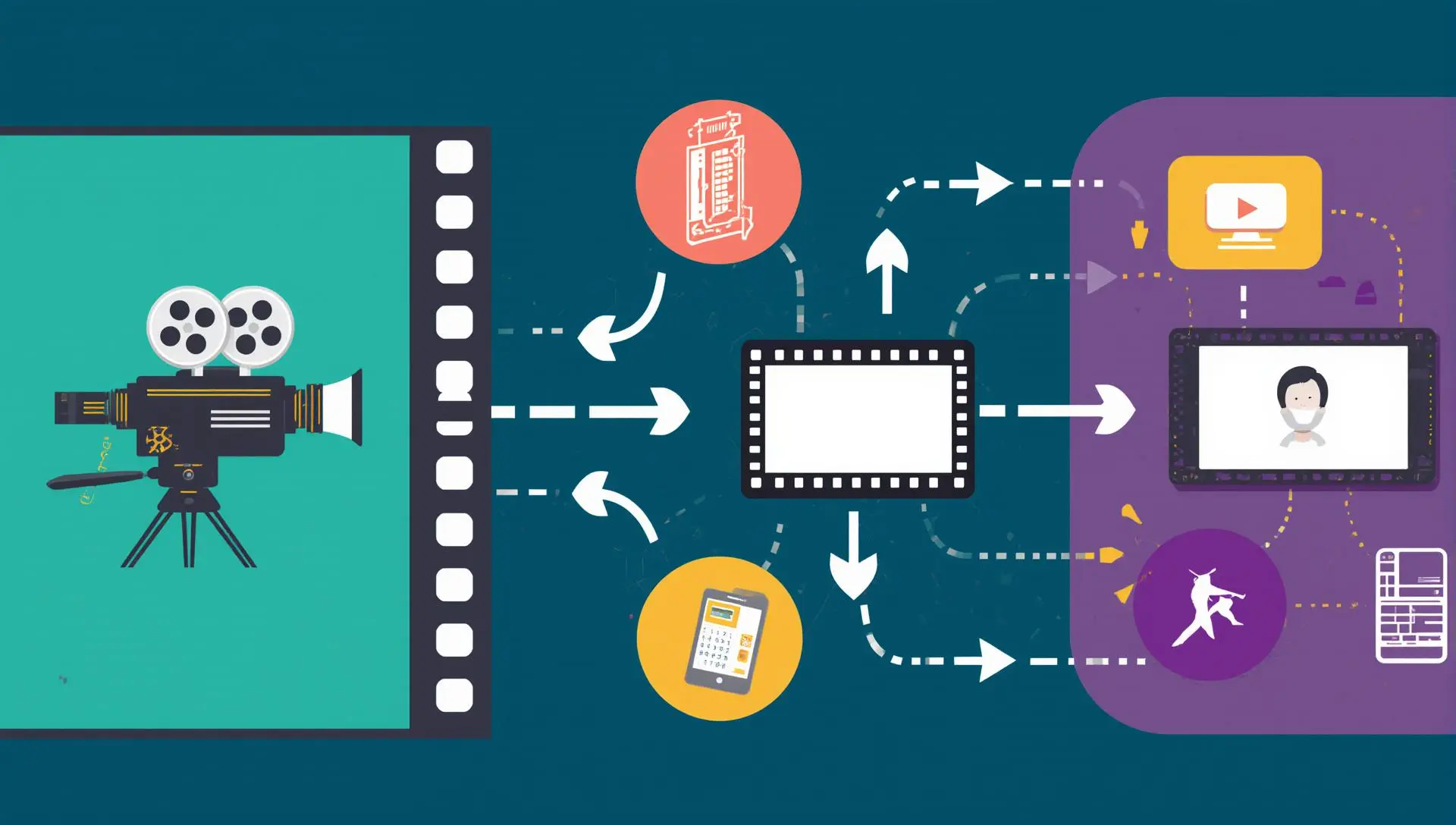
Breaking industry context: the future of film and television production is changing fast, and two recent headlines make that clear. In late February 2026, AMD announced an expanded partnership with Meta tied to a massive next-generation AI infrastructure build using AMD Instinct GPUs. At first glance, that sounds like a tech story. However, it also signals where the “new backlot” is forming: powerful data centers that will support AI-assisted production, localization, marketing, and distribution.
That technological shift is happening at the same time another transformation is reshaping the business of storytelling. This one is not about chips and servers. It is about how stories get funded, packaged, and launched in public.
That transformation became clearer when A+E Global Media announced the launch of a new branded creative studio called StoryGround. At first glance, the announcement may seem routine. Media companies launch new divisions all the time. Yet a closer look reveals something more significant. StoryGround reflects a broader shift in how stories are financed, produced, and distributed.
“The future of entertainment may not interrupt advertising. Instead, advertising may become part of the story itself.”
Future of Film and Television Production Is Shifting
For decades, television operated under a clear structure. Studios created shows. Networks scheduled and broadcast them. Advertisers purchased commercial time that appeared during breaks between scenes. Content and advertising lived in separate spaces.
That separation is now thinning. StoryGround embraces a model where brands participate earlier in the creative process. Instead of simply buying advertising space, companies can collaborate with producers and creators during development. The shift changes the conversation from “ad inventory” to “creative partnership.”
From Commercial Breaks to Creative Partnerships
When brands enter earlier, new storytelling combinations become possible. A travel series can develop with support from an automotive brand. A culinary documentary can emerge through collaboration with a food company. A sports drama can partner with an athletic brand that understands the emotional power of narrative.
In this model, brands no longer stand on the sidelines. They participate directly in the creative process, and they often help accelerate how quickly a project reaches an audience. This approach can be a win when the brand supports the story rather than steering it. It can also be a risk when marketing pressure overwhelms the creative goal.
A Story No Longer Lives on One Screen
StoryGround also reflects how audiences experience stories today. In earlier decades, a television show lived primarily on television. A film lived mainly in theaters before eventually reaching home audiences. Today, the pathways are far more fluid, and distribution is no longer a secondary decision.
StoryGround projects are designed to exist across multiple platforms. These platforms include television, streaming services, social media channels, and creator-driven digital spaces. A story might premiere as a television special while short-form clips appear on social media the same week. Companion content can extend the release window. Behind-the-scenes videos can keep the story alive long after the premiere.
“Entertainment no longer lives in one place. It unfolds across a constellation of platforms.”
The Creator Economy Enters the Studio System
Another change involves the role of digital creators. For years, Hollywood viewed internet creators as outsiders. Their work thrived on platforms like YouTube, TikTok, and Instagram, but the traditional industry often treated those spaces as separate.
That perspective is changing quickly. Creators bring something studios increasingly value: direct relationships with audiences. Millions of viewers follow their work and trust their voices. When creators join a project, they bring communities with them. Those communities can help a project launch with momentum on day one.
“Hollywood once controlled access to audiences. Today, many audiences arrive through creators who already know how to reach them.”
Television’s Changing Center of Gravity
Traditional television no longer dominates cultural attention the way it once did. Viewers spread their time across streaming platforms, social media, and always-on digital entertainment ecosystems. This fragmentation forces studios to rethink distribution.
Instead of designing a show for one outlet, producers now build projects that travel across platforms. Television still matters, but it now functions as one node within a larger network of storytelling. Stories move between platforms and evolve as audiences encounter them in different environments.
When you track these changes together, you can see why the future of film and television production now depends on partnerships, platform strategy, and audience communities as much as it depends on traditional development.
The Speed of Culture
Another pressure on the industry involves speed. Hollywood once operated through long development cycles. Projects often took years to move from concept to screen. Digital culture moves much faster.
Online creators respond to cultural moments within days or even hours. That agility has reshaped audience expectations. As a result, studios are exploring ways to move more quickly without lowering quality. Creator collaborations help bridge the gap. Social platforms also extend stories beyond traditional release schedules.
“Hollywood once set the pace of culture. Today it is learning to move alongside it.”
Why the AMD Announcement Matters
This is where the AMD announcement becomes relevant again. Investments in AI infrastructure are building the technological backbone for the future of media production. AI already supports many stages of the creative pipeline. It assists with visual effects, pre-visualization, language localization, subtitling, and dubbing. It also helps analyze audience behavior and recommend content.
As computing power expands, those tools will evolve. Data infrastructure will increasingly shape how stories are created, personalized, and distributed. In that sense, branded studios like StoryGround and massive AI infrastructure builds reflect the same transformation. One reshapes how stories are funded. The other reshapes how they are produced and spread.
View this post on Instagram
The Studio System Evolves Again
Seen in isolation, the launch of StoryGround might appear to be just another corporate initiative. Yet within the larger context of the entertainment industry, it signals something bigger. Brands are moving closer to storytelling. Creators bring audiences with them. Distribution is multi-platform by default.
That is why future of film and television production will increasingly be shaped by three forces working together: brand collaboration, creator-led distribution, and the AI infrastructure that powers modern pipelines.
“The question may no longer be who finances the story. The question may be who helps tell it.”
Once you recognize this shift, you begin to see it everywhere. It appears in brand partnerships, creator-driven launches, and cross-platform storytelling experiments. It even appears in technology headlines about compute and AI. The next version of the studio system is forming in real time, one collaboration at a time.
If you want a broader lens on how culture and media systems build momentum, this connects to my earlier piece on cultural momentum and why distribution now shapes the message as much as the message shapes distribution.
Sources: Read the original announcement and supporting coverage for additional context.
DerksWorld