
Cult animated films often fall outside mainstream success, yet they leave a lasting impact on animation history. Instead of breaking out at the box office, many of these films found audiences slowly through word-of-mouth, home video, festival screenings, and later rediscovery. At first, studios and distributors often struggled to market these titles. Their storytelling felt […]
10 Cult Animated Films That Changed Animation
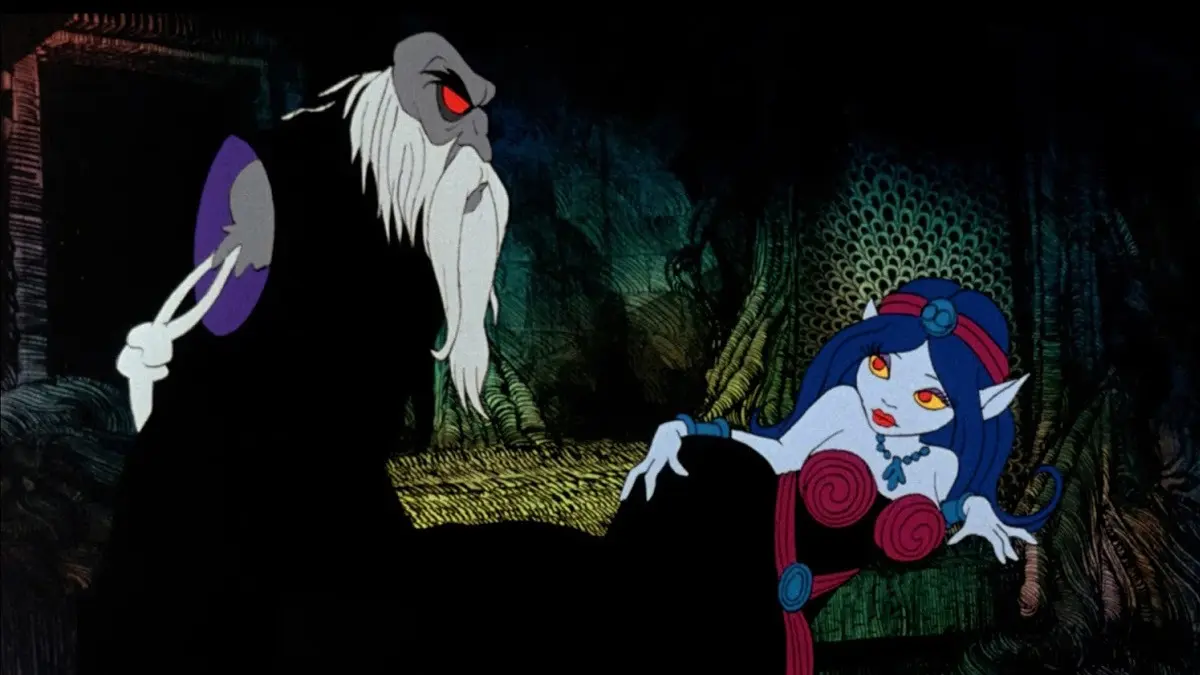
Cult animated films often fall outside mainstream success, yet they leave a lasting impact on animation history. Instead of breaking out at the box office, many of these films found audiences slowly through word-of-mouth, home video, festival screenings, and later rediscovery.
At first, studios and distributors often struggled to market these titles. Their storytelling felt stranger, darker, more personal, or more experimental than what general audiences expected from animation. Over time, however, those same qualities helped them stand out and endure.
This list reflects that pattern. These films are not simply underrated. Rather, they built loyal followings, took creative risks, and stayed culturally relevant long after their original release. In many cases, they also expanded the public idea of what animation could do.
For more on this subject, read 1990s Animated Films That Became Cult Classics. You can also explore broader film preservation and classic cinema through The Criterion Collection.
With that in mind, here are ten cult animated films that developed passionate followings and still influence animation and storytelling today.
1. American Pop (1981) – A Film Rooted in Music History
Ralph Bakshi’s American Pop uses rotoscoping to tell a multi-generational story tied to American music culture. Because of its unusual structure and mature tone, the film was never easy to categorize or sell to a mass audience. Nevertheless, that ambition became part of its legacy.
Its mix of music history, realism, and experimental animation helped it earn a strong following among animators, film fans, and critics over time. Just as importantly, it showed that animated storytelling could stretch across family history, cultural change, and artistic identity without softening its edges for mainstream comfort.
2. Fantastic Planet (1973) – A Journey Through Art-House Science Fiction
René Laloux’s Fantastic Planet sits far outside traditional animation. Its surreal imagery and philosophical ideas make it feel more like a dreamlike science-fiction art film than a conventional animated feature. As a result, it found lasting support in arthouse and sci-fi circles.
In addition, its strange design and bold ideas helped it become one of the clearest examples of animation as intellectual cinema. Decades later, the film still stands as proof that animation can function as speculation, visual poetry, and political allegory all at once.
3. Heavy Metal (1981) – A Counterculture Favorite
Heavy Metal brought together fantasy, science fiction, music, and adult themes in anthology form. That combination divided audiences at first, especially because the film ignored the safer limits many people once associated with animation. Even so, it quickly found a different kind of audience outside traditional family entertainment.
Midnight screenings, cable exposure, and home video helped build its reputation, and that late-night counterculture appeal turned it into a cult favorite. Moreover, its mix of pulp imagery, rock energy, and unapologetic adult content made it a defining example of animation that embraced an older, niche audience.
4. The Secret of NIMH (1982) – An Animated Film with Emotional Weight
Don Bluth’s The Secret of NIMH moved away from mainstream animation by embracing darker themes, emotional tension, and highly detailed craftsmanship. Instead of chasing easy laughs, it treated its story with seriousness and care. That alone helped separate it from much of the animation landscape of its time.
As the years passed, audiences responded to that difference. Its mood, beauty, and emotional weight helped the film develop a loyal following, especially among viewers who wanted animation with greater dramatic depth. In that sense, the film became an early sign that animation could carry real emotional gravity without losing visual wonder.
5. Wizards (1977) – A Film with Raw Energy
Bakshi’s Wizards combines fantasy, science fiction, and political allegory in a style that feels rough, strange, and personal. Rather than smoothing out its edges, the film leans into them. Because of that, it never played like a polished mainstream crowd-pleaser.
However, its raw energy and unusual storytelling helped it become a lasting favorite among fans of independent and experimental animation. The film also reflects a time when creators could push animation into more chaotic, confrontational territory, trusting that at least some viewers would connect with its ambition and eccentricity.
6. Belladonna of Sadness (1973) – Film as Moving Fine Art
Belladonna of Sadness stands apart because of its painterly design, adult themes, and emotional intensity. Visually, it feels closer to moving fine art than to standard commercial animation. For that reason alone, it occupies a unique place within animation history.
Although it struggled to connect with a wide audience at first, the film later returned through restoration and reappraisal. That renewed attention introduced it to new viewers, many of whom admired its bold style and haunting power. Consequently, it became one of the strongest examples of a film that failed in its own moment yet grew into a major cult object later.
7. Persepolis (2007) – A Personal Film with Global Relevance
Based on Marjane Satrapi’s graphic novel, Persepolis uses a simple black-and-white style to tell a personal story shaped by political upheaval. Its power comes not from spectacle, but from honesty, clarity, and point of view. As a result, the film connected strongly with audiences looking for something direct, reflective, and human.
It also helped prove that animation could serve autobiography, history, and cultural memory movingly. More broadly, Persepolis showed that personal storytelling in animation could still carry political force, cultural specificity, and broad emotional resonance.
8. Anomalisa (2015) – Modern Isolation and Identity
Charlie Kaufman’s Anomalisa explores loneliness, identity, and human disconnection through stop-motion animation. Its quiet tone and intimate scale make it very different from louder, more commercial animated features. Because of that, it never aimed for broad mainstream appeal.
Even so, it built a committed audience. In particular, viewers drawn to introspective and character-driven storytelling continue to see it as one of the most unusual animated films of its era. In the years since its release, the film has only deepened its reputation as a work that uses animation to explore adult interior life with rare sensitivity.
9. The Triplets of Belleville (2003) – Pure Visual Storytelling
Sylvain Chomet’s The Triplets of Belleville relies on visual storytelling, stylized design, and musical rhythm more than dialogue. As a result, the film communicates through movement, timing, and atmosphere rather than exposition. That creative choice helped it stand out right away.
More importantly, it gave the film lasting value for animation lovers who appreciate strong visual craft and a distinctive artistic voice. In many ways, it remains a reminder that animation can be at its most memorable when it trusts images, rhythm, and mood over explanation.
10. A Scanner Darkly (2006) – Paranoia, Surveillance, and Reality
Richard Linklater’s A Scanner Darkly adapts Philip K. Dick’s novel through rotoscoped animation that constantly shifts and unsettles the viewer. The style matches the story’s themes of identity, paranoia, and unstable perception. Because the technique and tone are so specific, the film was always likely to attract a niche but devoted audience.
Over time, those qualities helped it gain that following. Its concerns about surveillance, fractured identity, and reality now feel even more relevant, which has only strengthened its cult reputation. Today, the film stands as a striking example of how form and subject can work together to create something unsettling, memorable, and enduring.
Why These Cult Animated Films Made the List
I picked these films because they share several qualities that often define cult classics. First, each one takes clear, creative risks. Whether through visual experimentation, unconventional storytelling, or mature themes, every title on this list pushes beyond mainstream expectations.
Just as important, these films built their audience over time. They did not depend only on opening-weekend success or broad commercial appeal. Instead, they grew through repeat viewings, word-of-mouth, critical reassessment, and rediscovery. That slow-building relationship with viewers is one of the clearest signs of a true cult film.
Each film also created a deep connection with a specific audience. Cult status is not about reaching everyone. Instead, it comes from inspiring long-term loyalty among viewers who return to a film again and again, talk about it, and keep it alive across generations.
Finally, these titles still matter because they expanded the idea of what animation could do. They opened the door for more personal stories, more adult themes, and more daring visual approaches. For that reason, their influence extends far beyond the size of their original audience.
Cultural Relevance and the Bigger Picture
Taken together, these cult animated films show that animation history is not shaped by commercial success alone. It also grows through experimentation, persistence, and the slow discovery of new audiences. In many cases, these works arrived before the culture fully caught up with them.
They explored adult themes before those themes became more accepted in animation. They also embraced unusual styles long before that kind of experimentation became easier to produce or market. Consequently, they helped prepare audiences for broader ideas about what animation could become in later decades.
That is one reason they continue to matter. They did not just survive on the margins. Instead, they helped change the conversation around animation itself. Their legacy lives on not only in the films they inspired but also in the audiences they taught to expect more from the medium.
More broadly, cult animated films create room for new voices, new formats, and new ideas. Because of that, they continue to influence artists, filmmakers, and audiences who want something more personal, strange, or ambitious than the mainstream usually offers.
In the end, animation does not evolve through consensus alone. More often, it moves forward because of the films that seemed out of place at first, but later proved they were pointing toward the future.
DerksWorld