Creator-Owned Animation Is Changing Hollywood
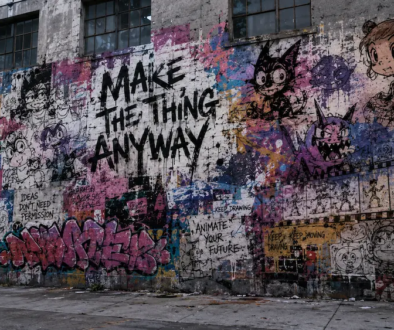
The old gatekeeper era is weakening. YouTube, Patreon, merchandise, crowdfunding, Discord, and direct fandom have created a new path for independent animation.
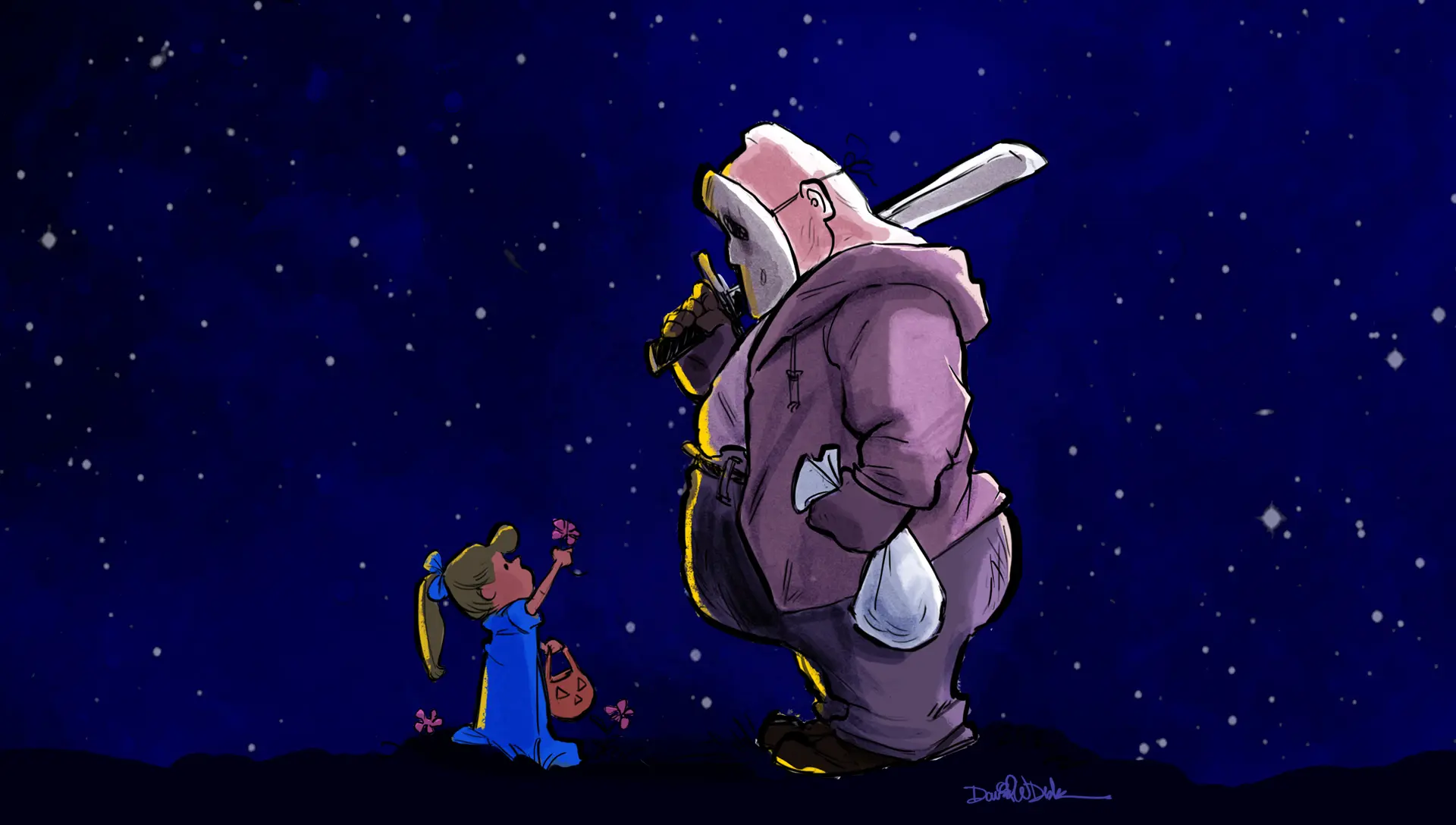
Creator-owned animation is reshaping an industry that, for decades, required permission before creators could truly exist at scale. If artists wanted financing, meaningful distribution, or the ability to reach a large audience, they generally had to move through an established studio system. As a result, entire careers were often built around navigating gatekeepers rather than focusing on creating work and connecting with audiences directly.
Consequently, even talented artists frequently found themselves trapped in an exhausting cycle of pitches, rewrites, stalled projects, and years of development that never actually reached viewers. In many cases, success depended not only on talent but on surviving a system built around approval at every stage.
That system still exists, and it continues to shape much of the industry. However, it is no longer the only viable path forward.
Creator-owned animation is no longer just a side movement built around hobbyists and small online projects.
Platforms like YouTube, Patreon, crowdfunding, merchandise, and Discord have helped creators build direct relationships with audiences.
The result is a new animation economy where independent creators can build ecosystems before traditional studios ever get involved.
Over the last several years, animation has quietly begun shifting back toward creator ownership. Importantly, that shift did not emerge because of one company or a single technological breakthrough. Instead, it developed through an entirely new ecosystem built around direct audience connection.
Along the way, platforms and tools gradually changed the equation. YouTube transformed distribution by allowing creators to reach audiences directly. Patreon normalized direct financial support. Crowdfunding demonstrated that audiences were willing to invest in projects long before studios ever became involved. Meanwhile, merchandise evolved from supplemental income into a legitimate business strategy, while Discord transformed fandom into something much larger: community infrastructure.
The question is no longer, “Will a studio buy this?” Increasingly, the question is, “Can we build this ourselves?”
Taken together, these developments created something that barely existed twenty years ago: a realistic path for independent animation to survive outside the traditional studio system.
Why Creator-Owned Animation No Longer Needs The Studio System
For decades, the traditional animation industry positioned itself as the only serious path forward. If creators wanted meaningful budgets to scale a project, they typically had to enter the machinery of Hollywood. For many years, that system represented the accepted path toward legitimacy and long-term success.
However, that machinery has become increasingly unstable. Over the last several years, major studios have cut divisions and consolidated creative decision-making into fewer and fewer hands. As a result, entire productions have disappeared through tax write-offs, while streaming platforms have removed finished content almost overnight. Consequently, even established creators now frequently struggle to maintain long-term security within the corporate system.
Ironically, many independent creators are beginning to operate with greater flexibility and, in some cases, more stability than portions of the traditional industry itself. Fifteen years ago, that idea would have sounded absurd. Today, however, it is becoming increasingly difficult to ignore.
A creator with a dedicated audience, recurring merchandise revenue, crowdfunding support, YouTube monetization, and a strong community infrastructure may now possess a more sustainable long-term business model than a studio relying entirely on volatile streaming economics. That reality does not mean independent animation is easy. Production remains expensive, and ever-changing algorithms have become an unpredictable moving target.
The independent path is not easier than the studio path. It simply gives creators a different kind of leverage: direct audience ownership.
Nevertheless, the larger model itself has become far more sustainable than many people within the industry expected. In fact, over the past several years, creator-owned animation has not simply grown in popularity. Increasingly, it has started to look more durable than parts of the traditional studio system itself.
The Rise Of Creator-Owned Animation Studios
What makes this shift especially important is that many of these creators are no longer functioning like hobbyists. Instead, they increasingly resemble miniature entertainment companies. Studios like GLITCH Productions have demonstrated how internet-native animation can evolve into global fandom ecosystems. Shows such as Murder Drones and The Amazing Digital Circus were not launched through traditional television infrastructure. Rather, they exploded through online distribution, fandom culture, social sharing, merchandise, and direct audience engagement.
Likewise, other creator-driven operations have helped illustrate the same larger shift. Some have grown into established digital studios, while others remain artist-led collectives. Meanwhile, some are still small enough to retain a handmade feel. Nevertheless, the pattern remains consistent: they are building directly with audiences instead of waiting for permission from the traditional system.
Frederator Studios, founded by Fred Seibert in 1997, arrived at a moment when much of the animation industry still operated through tightly controlled systems and familiar gatekeepers. However, rather than simply following convention, Frederator helped reshape the landscape by championing creator-driven projects and giving animators something that felt unusually rare at the time: meaningful control over their own ideas. In many ways, the studio helped establish an early blueprint for a future where artists were not just hired hands inside a larger machine, but creators capable of building and carrying their own original visions forward.
As a result, even smaller studios and independent teams are beginning to operate more like vertical media brands than isolated productions. That distinction matters because they are no longer simply uploading cartoons. Instead, they are building ecosystems.
Why Audiences Are Responding To Creator-Owned Animation
Part of the reason audiences are gravitating toward creator-owned animation is that it often feels less manufactured. Traditional studios are frequently designed with broad demographic appeal in mind, which means projects are tested, filtered, revised, and optimized to reach the widest possible audience. While that process can absolutely produce great work, it can also flatten personality along the way.
By contrast, independent animation often moves differently. It can be stranger, more specific, more personal, and more experimental. In some cases, it is even rough around the edges. However, audiences increasingly value that authenticity because it feels connected to an actual creator’s voice rather than a committee-driven mandate.
Audiences are not only watching the work. They are watching the people, communities, and creative ecosystems forming around the work.
At the same time, this shift mirrors broader changes happening across entertainment as a whole. Increasingly, viewers are choosing to follow creators, personalities, communities, and individual brands directly instead of simply following corporations. As a result, animation is beginning to reflect the same transformation.
That larger audience shift connects to a broader pattern across the modern entertainment business, where viewers increasingly follow the people, communities, and creative worlds they trust. For more on related entertainment industry shifts, visit the DerksWorld Industry section and the DerksWorld Animation section.
The Future Of Creator-Owned Animation
The next generation of major animation brands may not emerge from the traditional pipeline at all. Instead, they may grow out of creator ecosystems that already function like decentralized mini-networks, complete with their own audiences, communities, revenue systems, and distribution channels. Some of these operations will likely remain niche by design, while others may gradually evolve into larger entertainment companies over time. Meanwhile, a select few could eventually rival traditional studios in audience reach while operating with dramatically leaner structures.
Perhaps the most fascinating aspect of this shift is that the transformation still appears to be in its earliest stages. Even now, much of the entertainment industry continues to treat creator-owned animation as a side movement or emerging trend rather than recognizing it as a deeper structural change. However, the infrastructure supporting independent creators becomes stronger with each passing year.
For the first time in a very long time, animation creators do not necessarily need permission to build something meaningful.
As a result, distribution has become easier, funding opportunities have expanded, communities have become more direct, and audience loyalty has become increasingly measurable. Taken together, these developments are creating something the animation industry has not seen in a very long time: a realistic path for creators to build meaningful work without first securing permission from traditional systems.
What once felt like an alternative path now increasingly looks like the future of creator-owned animation itself. Increasingly, creators do not need permission to build something meaningful.
They simply need an audience willing to follow them there.
Related Reading
Continue exploring the changing entertainment landscape through DerksWorld’s coverage of industry trends, culture, and animation.