Gen Z Physical Media: Why Ownership Is Making a Comeback
Streaming promised unlimited access, but younger audiences are rediscovering DVDs, graphic novels, vinyl, CDs, and the emotional value of owning what they love.
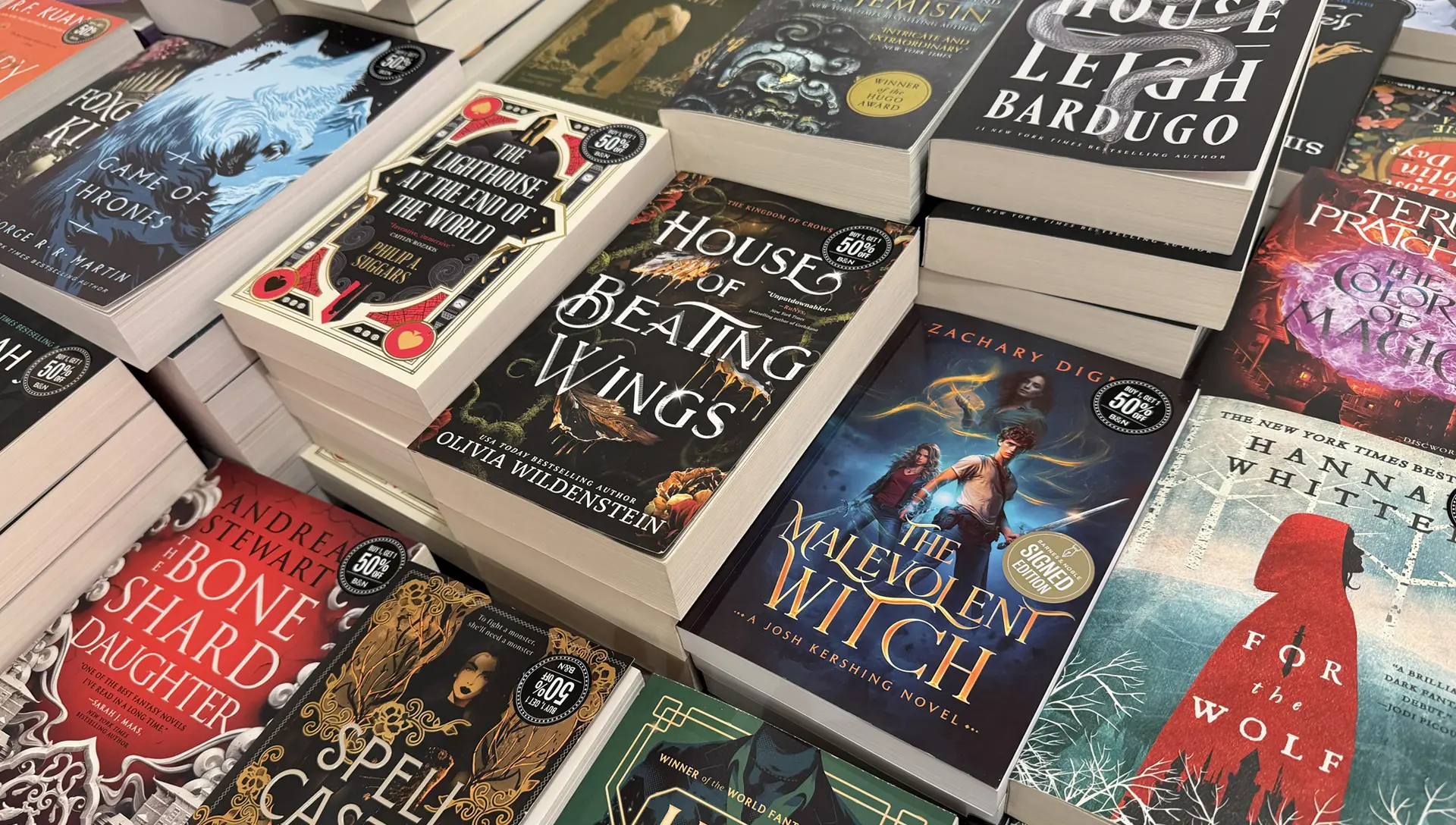
For years, the future of entertainment seemed settled. Streaming had won the war. DVDs were considered dead, CDs had become artifacts from another era, and shelves lined with movies and albums slowly gave way to digital libraries stored somewhere in the cloud. However, Gen Z physical media trends suggest a surprising shift may be underway.
Entertainment companies promised unlimited access, endless convenience, and a future where ownership itself felt unnecessary. Yet, as often happens in media and technology, audiences did not follow the script exactly as expected.
Physical media is not replacing streaming, but it is being redefined by younger audiences.
The strongest story is not a mass-market comeback. It is a collector-driven shift built around ownership, permanence, nostalgia, and identity.
For Gen Z, DVDs, vinyl, CDs, and boutique releases can feel less like outdated formats and more like cultural objects worth keeping.
Streaming made entertainment easier to access. Physical media makes it easier to keep.
The Streaming Era Was Supposed to End the Story
For much of the last twenty years, the entertainment industry operated under a simple assumption: consumers wanted convenience above all else. The logic seemed difficult to argue with. Why purchase and store physical media when thousands of movies, television series, and albums could be accessed instantly through a monthly subscription?
Initially, that promise worked exactly as intended. Streaming solved many frustrations that existed during earlier eras. Consumers no longer needed shelves full of DVDs or stacks of CDs. Instead, entire libraries fit inside phones, tablets, and televisions.
However, as streaming matured, audiences gradually began discovering that convenience came with compromises. As subscriptions multiplied, consumers increasingly found themselves paying for several services at once while trying to remember which platform carried which content. In addition, films and television programs often disappeared from libraries without warning because of changing licensing agreements.
Consequently, audiences started asking a question that had largely disappeared from entertainment discussions: What do I actually own?
The Data Suggests Something Unexpected Is Happening
At first glance, claims about physical media returning can sound exaggerated. Overall disc sales remain dramatically lower than they were during the height of DVD popularity, and streaming still dominates entertainment consumption.
However, the details tell a more nuanced story. The Los Angeles Times recently examined changing physical media habits among younger consumers and found evidence suggesting that while total sales continue declining, the pace of that decline has slowed considerably. Physical media sales reportedly fell approximately nine percent in 2025, a significant shift from annual declines above twenty percent seen in prior years.
Rather than collapsing entirely, the market may be stabilizing within specific collector communities. That distinction is important because it changes the conversation. The question is not whether physical media will replace streaming. The better question is whether physical media is finding a more specialized and more emotionally invested audience.
The comeback story only works when it is framed honestly. Physical media is not returning as the default way people consume entertainment. It is returning as a curated experience for people who want ownership, quality, and permanence.
Why Gen Z Physical Media Ownership Matters
Interestingly, younger generations did not grow up collecting media for the same reasons earlier generations did. For older audiences, purchasing physical media was normal behavior. Ownership was not viewed as a cultural statement because there were very few alternatives.
Gen Z inherited a completely different environment. They grew up surrounded by instant access. Entire music catalogs existed inside smartphones, while thousands of films and shows remained available through subscriptions.
Ironically, unlimited access may have created a stronger appreciation for ownership of physical media. Research from YouGov found that 53 percent of Americans between eighteen and twenty-four said they prefer having hard copies of music, a percentage that exceeded that of respondents over age fifty-five.
Furthermore, younger audiences increasingly describe physical purchases as ways to support artists and create stronger personal relationships with entertainment. That distinction matters because owning something and borrowing access to something are fundamentally different experiences.
Subscription Fatigue May Be Creating a Cultural Shift
Beyond ownership itself, another factor appears to be influencing this movement: exhaustion. For years, subscriptions promised simplicity. Over time, however, entertainment became increasingly fragmented and at times, unmanageable. One subscription became several. Several eventually became many.
As a result, media consumption sometimes began feeling less personal and more transactional. The Temple News explored this issue and found that younger audiences frequently described physical media as feeling more authentic and permanent than digital alternatives.
Consequently, purchasing a Blu-ray or vinyl record increasingly serves a purpose beyond simple consumption. Collectors are building personal archives. They are curating experiences. More importantly, they are deciding what deserves permanent space in their lives.
If everything lives behind a subscription, then nothing feels completely yours.
Gen Z Physical Media Is Becoming Part of Identity
At the same time, much of this shift appears rooted in culture rather than technology. Student reporting from Cal Times observed that younger audiences increasingly associate records, magazines, CDs, and physical collections with intentionality and analog experiences.
Likewise, collector-focused labels such as Criterion Collection, Arrow Video, and Vinegar Syndrome have transformed physical media into premium experiences built around restoration, packaging, artwork, and presentation.
As a result, audiences increasingly purchase media not only to consume it, but also to preserve and display it. The object itself becomes part of the experience. A film is no longer simply a title in a digital menu. A record is no longer simply a collection of songs. A collector edition becomes a signal of taste, identity, and attachment.
Streaming platforms organize media around availability. Collectors organize media around meaning.
The Bigger Story Is Not About Discs
Ultimately, the return of physical media may have very little to do with DVDs or CDs themselves. Instead, it reflects a broader cultural shift surrounding ownership, permanence, and the desire for more intentional experiences.
For years, entertainment companies focused almost entirely on access. However, audiences increasingly appear interested in something access alone cannot provide.
Streaming gives convenience. Ownership gives permanence. And in an increasingly temporary digital world, permanence may suddenly feel revolutionary again.
That may be the real Gen Z physical media comeback: not a rejection of streaming, but a reminder that access and ownership are not the same thing.
Related Reading
Continue exploring the changing media landscape through DerksWorld’s coverage of industry trends, culture, and animation.