Chick-fil-A Isn’t Advertising in Hollywood — It’s Operating Inside It
This article explores how Hollywood is evolving as brands working within Hollywood move beyond advertising and sponsorships to become creators of original content. Over time, I’ve watched companies enter the entertainment industry not just to participate in storytelling, but to fund projects, develop intellectual property, and build their own content platforms—signaling a deeper structural shift in how Hollywood operates.
Few examples illustrate this shift more clearly than Chick-fil-A.
Ten years ago, the idea that Chick-fil-A would be commissioning animated series, scripted podcasts, and original family programming would have sounded implausible. At most, brands like Chick-fil-A were expected to appear inside entertainment — a logo in the background, a sponsored segment, a clever product placement. That era is over.
On October 21, 2024, Chick-fil-A formally announced the launch of the Chick-fil-A Play™ app in an official company press release, positioning it not as a marketing initiative but as a new entertainment destination for families.
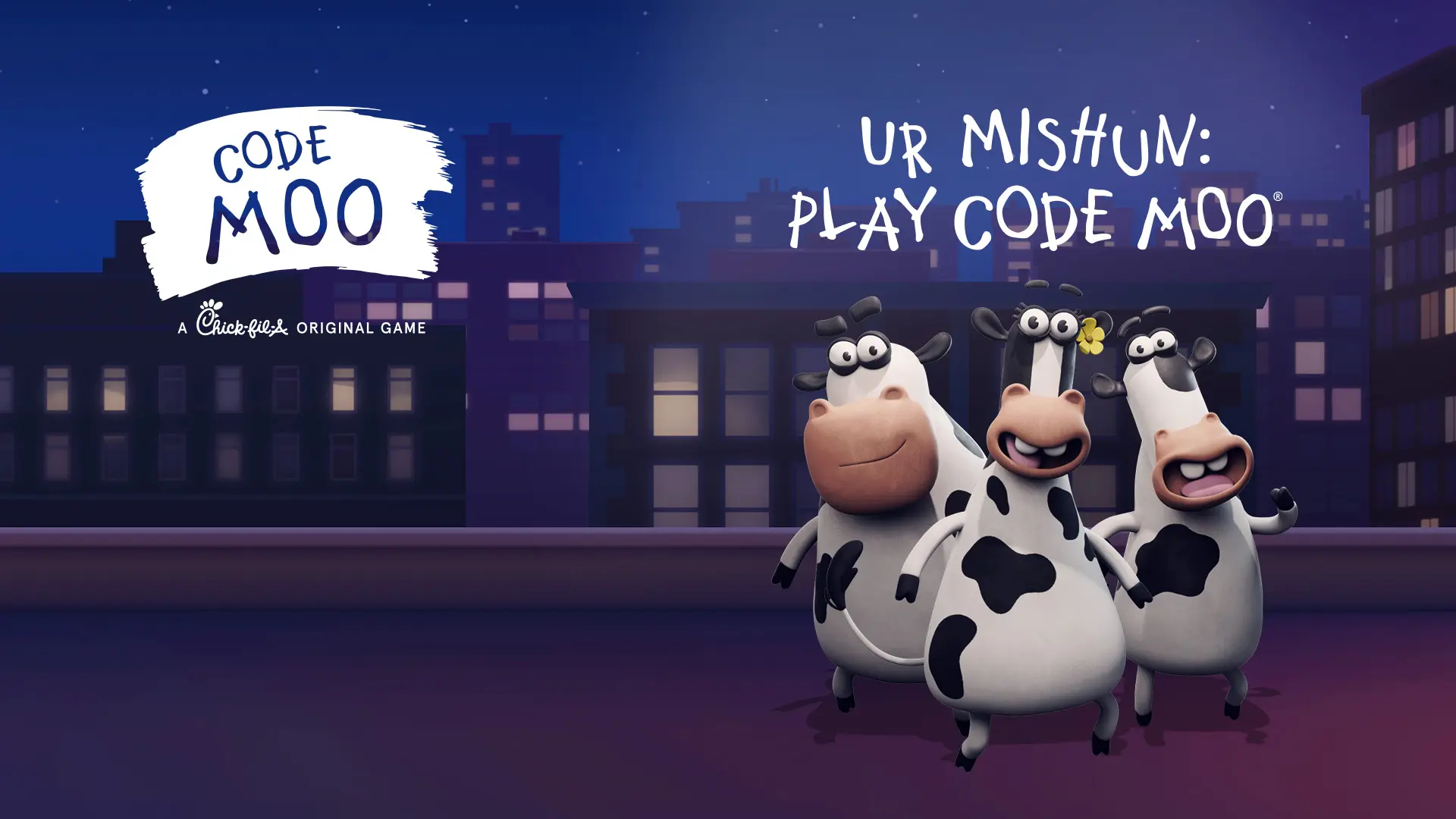
In the October 21, 2024 press release, Dustin Baker, Executive Vice President of Global Brand Engagement at Chick-fil-A, described the initiative as:
“A free digital playground filled with original entertainment designed to help families connect through shared experiences.”
This wasn’t an ad buy. It was a platform launch.
From Product Placement to Platform Ownership
For decades, brands interacted with Hollywood at arm’s length. Studios made the content. Brands paid to be adjacent to it. Control remained firmly on the studio side.
Chick-fil-A’s own language makes clear that it intentionally stepped outside that model. In the same October 2024 press release, the company outlined the scope of what the Play app would include.
According to Baker in the October 21, 2024 announcement, the platform would feature:
“Animated series, family-friendly podcasts, games, crafts, and interactive stories.”
There’s no emphasis on commercials, sponsorships, or placement. The emphasis is on original entertainment — owned and distributed by the brand itself.
In other words, Chick-fil-A didn’t ask Hollywood for space inside a story. It built a place where stories live.
Chick-fil-A as a Studio, Not a Sponsor
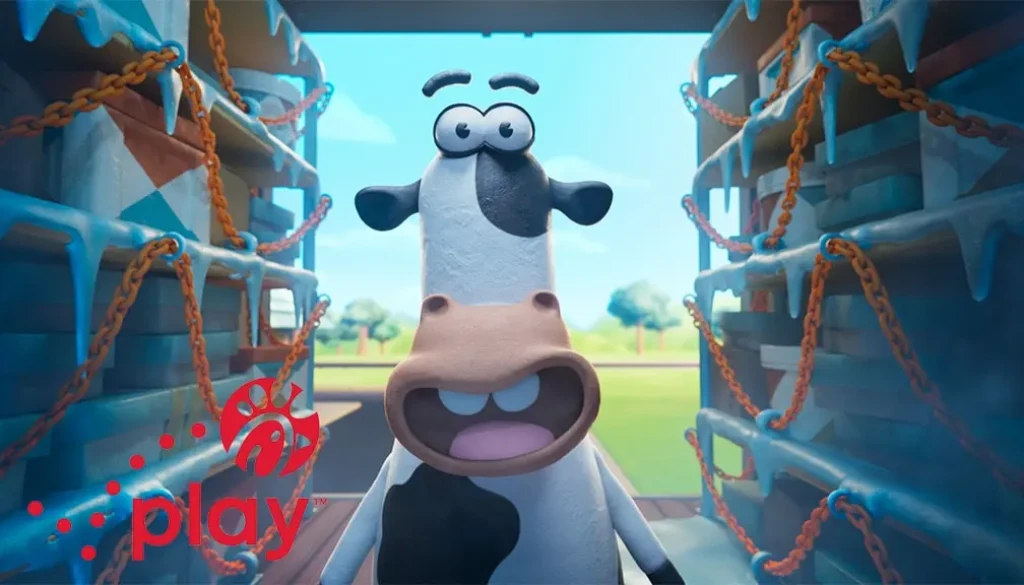
The clearest signal of this shift is Legends of Evergreen Hills, an original animated series created specifically for the Chick-fil-A Play app. This isn’t a short-form ad disguised as content. It’s episodic storytelling with characters, world-building, and recurring themes centered on community and cooperation.
In its launch materials, Chick-fil-A framed the project using language far more typical of children’s television than advertising.
In the same October 2024 press release, Baker explained that the goal was to provide:
“Engaging stories that encourage imagination, connection, and shared fun.”
Alongside the animated series, Chick-fil-A also introduced Hidden Island, a scripted narrative podcast designed for family listening. Once again, the emphasis was on story-first content aligned with the brand’s values, not promotional messaging.
Taken together, these releases resemble what a small, values-driven studio slate might look like — recurring IP, multiple formats, and controlled distribution.
Why This Isn’t Just a Gimmick
It would be easy to dismiss this as a novelty — a fast-food brand dabbling in entertainment. However, Chick-fil-A’s own framing suggests something more deliberate.
In the same October 2024 announcement, the company emphasized that the Play app was designed to support family connection rather than passive consumption.
As Baker stated in the October 21, 2024 press release:
“The Chick-fil-A Play app is designed to help families make the most of time together.”
This positioning sidesteps one of the biggest problems in modern advertising: fatigue. Traditional ads interrupt. Stories invite.
By funding and distributing its own content, Chick-fil-A no longer needs to fight for attention inside someone else’s ecosystem. The content becomes the relationship.
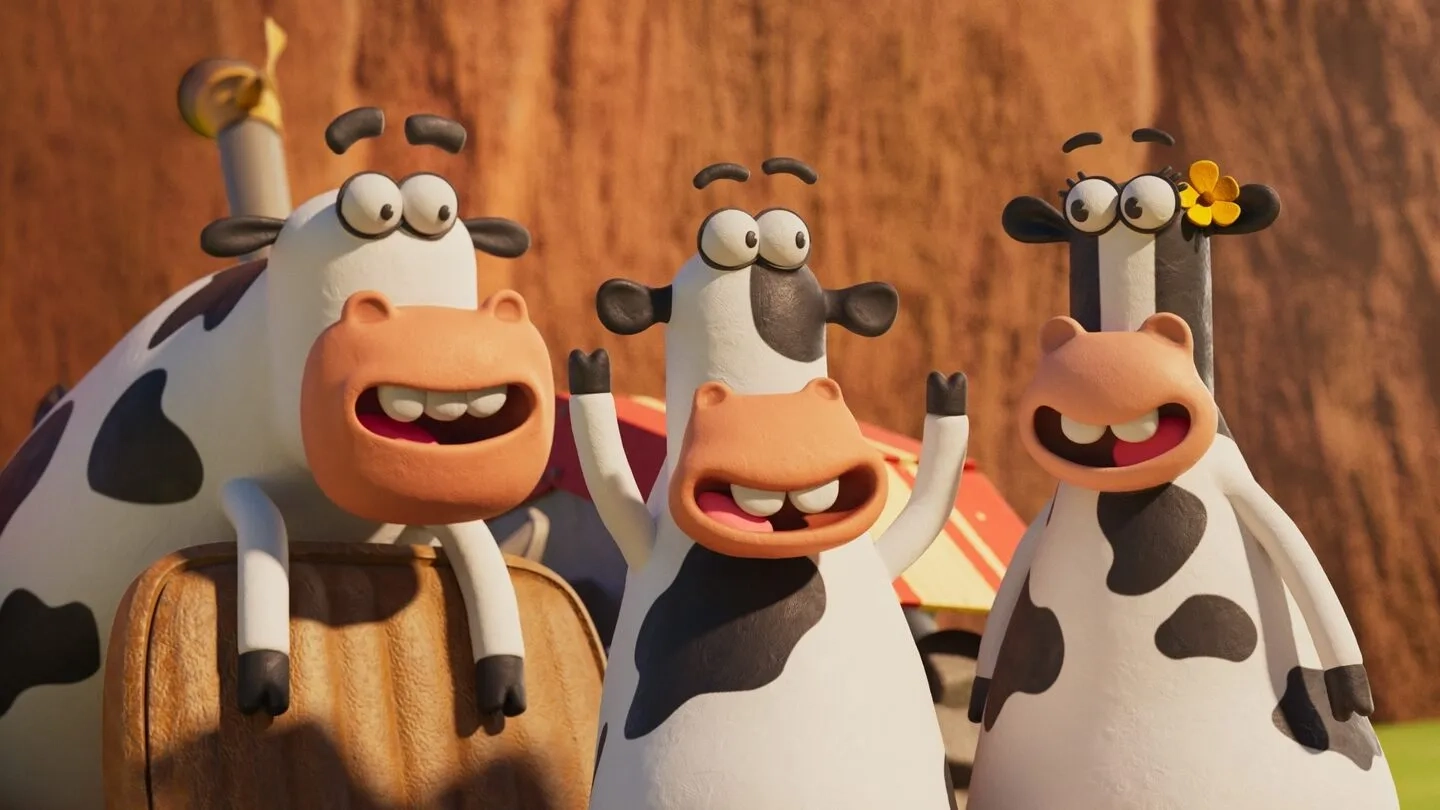
Why Brands Working Within Hollywood Are Changing Entertainment
What makes Chick-fil-A’s move especially telling is that it still relies on Hollywood talent — writers, animators, audio producers, and production partners. The shift isn’t creative. It’s structural.
Instead of Brand → Studio → Audience, the model now looks like Brand → Creative Partners → Audience.
Hollywood isn’t being replaced; instead, it’s being reconfigured.
Studios once acted as gatekeepers between capital and creativity. Increasingly, brands are stepping into that role themselves — commissioning projects directly and defining the parameters from the start. In practice, brands working within Hollywood can move faster, control tone and distribution, and build direct relationships with audiences.
The Bigger Shift Hiding in Plain Sight
Over time, I’ve seen brands move from advertising in Hollywood, to partnering with Hollywood, to now working inside it. Chick-fil-A’s move into original entertainment isn’t about competing with Netflix or chasing box office revenue. It’s about narrative ownership in a post-advertising world.
Brands are realizing that stories aren’t just vehicles for messaging — they’re assets. And the companies willing to invest in storytelling infrastructure, rather than exposure alone, are positioning themselves to shape culture instead of chasing it.
Hollywood used to be the place brands went to borrow relevance.
Now, brands like Chick-fil-A are building relevance themselves — inside the machinery of Hollywood, not on the outside of it. As more brands working within Hollywood build their own platforms and production pipelines, the traditional boundaries between advertiser, studio, and creator continue to blur.