Streaming in 2026 Feels a Lot Like Television in the 1950s
The platforms changed. The screens changed. But once again, entertainment is trying to understand a medium audiences have already moved into.
Today, streaming feels permanent. Netflix, YouTube, Disney+, TikTok, Twitch, and dozens of competing platforms dominate modern entertainment culture so completely that it is difficult to imagine life without them. Audiences watch what they want, when they want, on whichever device happens to be closest. Entire generations now treat on-demand entertainment as normal, expected, and invisible infrastructure.
Yet beneath that confidence is an industry that still feels strangely unstable.
Studios keep restructuring. Streaming platforms keep changing strategies. Subscription models rise and fall as companies try to understand audience behavior that shifts faster than traditional entertainment systems can adapt. For all of streaming’s scale, the industry still feels like it is inventing itself in public.
That feeling is not new.
The deeper you look into the rise of television during the 1940s and 1950s, the more modern streaming begins to resemble it. Both eras emerged during periods of technological disruption. Both destabilized older entertainment systems. Both created panic inside Hollywood. Most importantly, both transformed the relationship between audiences and the media itself.
History may not repeat itself exactly, but entertainment history often rhymes with startling precision.
Why This Matters
Streaming may feel mature, but the industry still behaves like a medium trying to figure itself out.
Early television went through a similar phase as networks, sponsors, advertisers, and audiences shaped the system together.
For anyone who worked inside network television, the shift feels familiar because once-stable systems can disappear faster than expected.
The Shift
The future of entertainment often looks new because we forget how familiar the chaos feels.
When Hollywood First Saw Television as a Threat
When television entered American homes after World War II, the entertainment industry did not initially treat it as a revolutionary art form. Many film executives viewed television as cheap, temporary, and creatively inferior. Compared to cinema, early television looked small, awkward, and technically limited. Production moved quickly to fill broadcast schedules, and many programs felt rushed or improvised.
However, audiences did not care. Television offered something Hollywood could not: convenience, intimacy, and constant accessibility.
Suddenly, families could stay home and still experience entertainment nightly. That shift concerned movie studios because theaters depended on physical attendance. Throughout the 1950s, theater attendance declined as audiences increasingly reorganized their lives around television schedules.
That fear feels remarkably familiar now.
Streaming created almost the same panic decades later. Movie theaters struggled as audiences became more comfortable watching major releases from home. Cable television began collapsing under the weight of on-demand viewing habits. Meanwhile, studios rushed into streaming platforms while undermining the traditional systems that had supported Hollywood for generations.
In both eras, the entertainment industry faced the same unsettling realization: the audience had changed faster than the business model.
The entertainment industry almost always underestimates how quickly audiences adapt to convenience. Once behavior changes at scale, older systems rarely recover their original dominance completely.
The Technology Arrived Before the Industry Understood It
One of the strongest parallels between early television and modern streaming is economic confusion.
In the 1950s, television spread across America before networks fully understood how to build sustainable business models around it. Executives experimented with sponsorships, advertising structures, broadcast schedules, and programming formats because nobody truly knew what television was supposed to become. Early programs often borrowed from radio, theater, and vaudeville because the medium had not yet developed its own visual language.
Then television began discovering something much bigger: sponsors could financially fuel entertainment itself.
Programs like Texaco Star Theater, starring Milton Berle, became early examples of television realizing how emotionally connected advertising could become when brands embedded themselves directly into programming. Audiences were not simply watching commercials between segments. Sponsors became part of the experience, transforming television from a technical novelty into a powerful advertising system that entered millions of homes every night.
That realization changed the industry. Advertisers understood that television was not just about selling products. It was building familiarity, loyalty, and emotional connection inside the home. In many ways, that moment established the economic DNA of modern television.
Streaming feels trapped inside a similar phase today. For years, platforms focused on subscriber growth while assuming profitability would naturally follow. Instead, competition intensified and subscription fatigue grew, forcing companies to rebuild many of the same systems streaming originally promised to replace, including advertising, content bundling, and the renewed importance of licensing agreements.
That may be one of the most important patterns entertainment history teaches us. New technologies often arrive wrapped in promises of reinvention. However, over time, industries tend to rebuild familiar structures around new tools because human behavior changes far more slowly than technology does.
Nobody Knew the Correct Format Yet
Modern audiences often imagine early television as stable and orderly because history tends to compress experimentation into neat timelines. However, the reality of 1950s television was much messier. Networks were still trying to understand what television was supposed to be, so they experimented with almost everything imaginable. Variety programs, live dramas, puppet shows, educational broadcasts, televised theater, game shows, and strange sponsor-driven concepts all competed for attention at the same time.
As a result, early television borrowed heavily from older forms of entertainment. Some programs resembled radio shows placed in front of cameras, while others mimicked vaudeville or live theater because television had not yet developed its own storytelling grammar. In many ways, the industry was inventing itself in public.
Streaming now feels remarkably similar. Today’s entertainment landscape shifts between formats that barely resemble traditional television at all. Some creators produce cinematic video essays, while others build massive audiences through multi-hour livestreams. Podcast-video hybrids blur into documentary storytelling, TikTok creators experiment with serialized short-form narratives, and streamers transform live audience participation into entertainment itself.
Because of that, even the definition of a “show” feels unstable now. The industry still appears to be searching for its long-term identity in much the same way early television once did. Someday, historians may look back on modern streaming platforms as a chaotic period when creators, platforms, and audiences were inventing a new entertainment language in real time.
Early television often looked strange because creators were still discovering the grammar of the medium. Streaming creators today are likely doing the same thing, even if we cannot fully recognize it yet from inside the transition itself.
Television Changed Behavior. Streaming Did Too.
The most important similarity between the two eras may have less to do with technology and more to do with psychology.
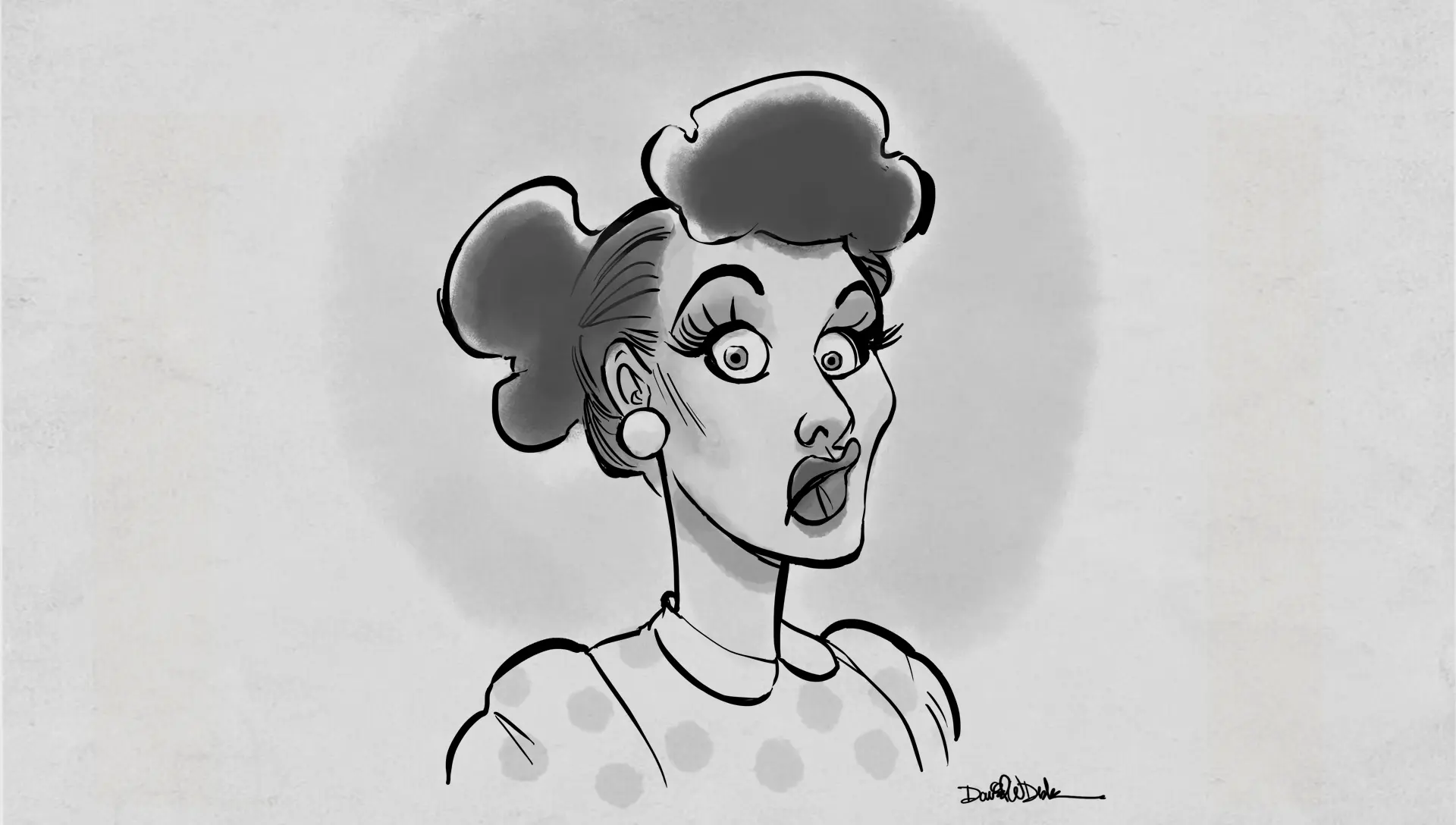
Television changed how people lived. Families reorganized evenings around broadcast schedules, while living rooms changed to accommodate television sets. At the same time, advertising transformed because brands suddenly had direct access to domestic life every night. During the 1950s, an average of 11 million households were tuned into I Love Lucy every Monday night, with some episodes reaching as many as 50 million households.
As television expanded, networks learned how to turn audience behavior into a business model. Early sponsors often funded entire programs directly, but over time, television evolved into the commercial break structure that defined network broadcasting for decades. Thirty- and sixty-second advertising spots became valuable because networks understood that predictable viewing habits created valuable audiences for advertisers.
The Era of Scheduled Television
When I first entered the television industry years later, I stepped into a system that still operated around those same rhythms. I worked on shows like Lost, Desperate Housewives, and Grey’s Anatomy for ABC Studios during the Touchstone Television era. Looking back now, it feels like an entirely different entertainment universe.
Production revolved around air dates, not algorithms. We filmed one episode at a time and delivered one episode at a time into an enormous scheduling machine built around timing, routine, and audience habit. Network programming departments studied viewer behavior through Nielsen ratings and decades of historical patterns. Executives understood which lead-in shows boosted retention, which demographics watched at specific hours, and how to compete against rival networks airing their own branded programming on the same night.
Television was never simply about producing successful shows. It was about understanding audience rhythm. Networks knew viewers behaved habitually, so weekly scheduling created anticipation while cliffhangers kept audiences returning at the same time every week. Entire cultural conversations unfolded in sync because millions of people were experiencing the same programming simultaneously. That structure shaped the industry, and for a long time, it worked extraordinarily well.
The Collapse of the Schedule
However, fast forward to 2026, and that ecosystem feels almost unrecognizable. Streaming altered behavior just as profoundly, but in the opposite direction. Audiences no longer organize their lives around schedules because entertainment no longer revolves around fixed time slots. Entire seasons appear instantly, algorithms replace traditional programming departments, and viewer behavior shifts constantly across platforms, devices, and recommendation systems. Entertainment no longer arrives at specific moments. Instead, it surrounds everyday life continuously.
In many ways, the television world I once worked in no longer truly exists in the same form, and that may be the strangest part of all.
One of the strangest parts of working through multiple eras of entertainment is realizing how permanent every system feels while you are inside it. Then suddenly, almost overnight, the entire structure changes.
Television Brought Celebrities Into the Home. Streaming Made Them Feel Reachable.
Television transformed celebrity culture because audiences suddenly experienced performers inside intimate domestic spaces. Movie stars once felt distant and untouchable, existing primarily on giant theater screens. Television personalities felt different because they entered living rooms nightly, creating repeated familiarity and emotional closeness.
Streaming accelerated that intimacy dramatically. Modern creators livestream from bedrooms, respond directly to fans, maintain Discord communities, share personal routines online, and build ongoing relationships with audiences who increasingly expect emotional access from the people they follow.
That shift changed fandom itself. Audiences no longer simply admire creators from a distance. Instead, they increasingly expect interaction, visibility, and emotional connection as part of the entertainment experience.
Sponsors Then. Algorithms Now.
Another fascinating similarity appears underneath the creative process itself.
During the 1950s, sponsors heavily influenced television production because advertisers controlled the financial structure supporting the medium. As a result, programs were often shaped around sponsor comfort, broad appeal, and the kinds of audiences advertisers wanted most. Creative decisions were frequently bent toward whatever maintained advertiser confidence and protected the financial stability of the network.
Today, algorithms occupy a strangely similar role. Streaming creators now shape pacing, thumbnails, emotional intensity, and even storytelling structure around recommendation systems designed to maximize retention and engagement. Visibility depends heavily on platform behavior, which means creative survival often relies on understanding systems that creators cannot fully see or control.
Although the mechanism changed, the pressure remained remarkably similar.
That recurring pattern reveals something deeper about entertainment history. Every new medium arrives promising creative freedom and disruption. However, over time, invisible systems inevitably emerge that shape which creators succeed, which stories survive, and what becomes commercially viable.
Technology changes rapidly. Human institutions do not. Eventually, every entertainment revolution develops gatekeepers, pressures, incentives, and systems that influence creativity behind the scenes.
We May Still Be Living Through Streaming’s Experimental Era
Perhaps the most interesting realization is that streaming may not actually be mature yet.
Despite its enormous scale and cultural dominance, the industry still feels unfinished. Business models continue evolving because audience behavior keeps shifting, while platforms constantly reorganize themselves in response to changing technology, competition, and viewing habits. At the same time, creators are inventing new forms of entertainment faster than traditional media institutions can categorize or understand them.
In many ways, that uncertainty resembles early television far more than the polished cable era that followed decades later. History suggests that dominant entertainment systems rarely emerge fully formed. Instead, they evolve through years of experimentation, collapse, reinvention, panic, adaptation, and cultural adjustment before eventually stabilizing into recognizable structures.
That perspective changes how modern streaming begins to look. The chaos surrounding the industry may not necessarily be evidence of failure. Instead, it may simply reflect the growing pains that accompany every major entertainment revolution while audiences, creators, and companies collectively figure out what the medium is supposed to become.
Because when people live through a technological shift in real time, the process almost always feels unstable, fragmented, and uncertain.
Only later does history make it look inevitable.
Sources and Further Reading
For more on how entertainment is changing, explore DerksWorld’s sections on Industry, Culture, Animation, and Fandom.