YouTube Is Becoming Television — And Hollywood Knows It
How streaming, creator culture, and algorithm-driven viewing turned YouTube into the new living-room entertainment hub.
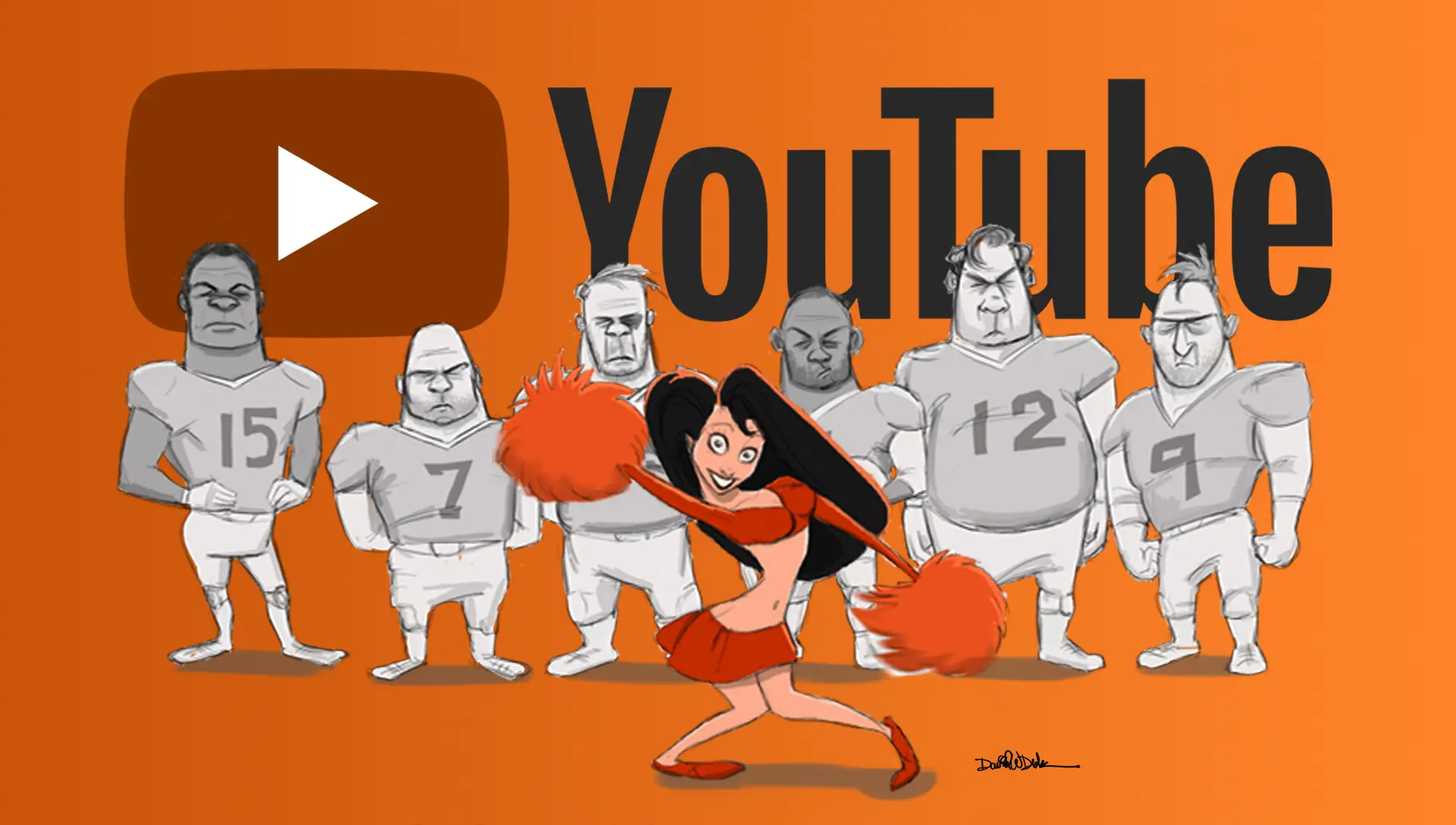
There was a time when television schedules controlled entire households. Thursday nights belonged to sitcoms, including NBC’s long-running “Must See TV” block. Sunday evenings belonged to prestige dramas. Families arranged dinners around prime-time lineups, while television networks decided what audiences watched, when they watched it, and how long they had to wait before the next episode arrived.
Back when television was dominated by just a few major networks like NBC, CBS, and ABC, programming decisions revolved heavily around Nielsen ratings and predictable audience behavior. Networks studied viewing habits to determine which shows attracted the largest audiences. Then they built nightly lineups designed to keep viewers from changing the channel and to maximize advertising revenue.
YouTube is no longer just a platform for clips. For many viewers, it has become the new television habit.
The shift is changing how audiences discover shows, follow personalities, and build entertainment routines.
Hollywood is paying attention because creator-led viewing is now competing directly with traditional TV culture.
The Shift
Television did not disappear. It moved into the algorithm.
How Streaming Changed Television Viewing Habits
Then the internet happened, and television changed again.
Streaming services completely reshaped television viewing habits by turning entertainment into an on-demand experience built around the audience instead of the network schedule. Platforms like Netflix, Hulu, and Disney+ popularized binge-watching, personalized recommendations, and full-season releases. Audiences quickly became accustomed to television that fit their schedules instead of waiting for weekly broadcasts.
Yet even as streaming transformed how people watched TV, these platforms still largely operated like modernized television networks. Studios produced content, streaming services distributed it, and audiences browsed digital libraries instead of cable channels.
YouTube, however, slowly changed the relationship entirely.
Why YouTube Becoming Television Matters
Somewhere along the way, YouTube stopped feeling like a side platform for internet clips and quietly evolved into something much larger. Increasingly, younger audiences are using YouTube exactly the way earlier generations used television: as a daily entertainment hub built around personalities, routines, binge-watching, fandom, and endless hours of viewing.
The difference is that today’s “channels” are creators, while the programming schedule is controlled by an algorithm that never sleeps. Instead of waiting for a network to announce a lineup, viewers now click, search, scroll, and allow YouTube’s recommendation system to guide them deeper into the next video, the next creator, and the next obsession.
And according to the numbers, the shift is no longer theoretical.
In 2025, Nielsen reported that streaming officially surpassed combined broadcast and cable television viewing for the first time in history. Streaming represented 44.8% of total TV usage in May 2025, compared with 44.2% for broadcast and cable combined. Nielsen’s ongoing The Gauge reports also track how viewing continues to shift across broadcast, cable, and streaming platforms.
In other words, people are no longer just watching YouTube while standing in line at Starbucks or procrastinating during lunch breaks. They are watching it on large televisions in living rooms for hours at a time, often replacing the routines that cable television once dominated.
Television Has Always Evolved
The funny thing about television history is that audiences have always chased convenience. Broadcast television replaced radio as the dominant form of home entertainment because it added visuals and immediacy. Cable exploded because viewers wanted more variety and more niche programming. DVRs gained popularity because people no longer wanted to schedule their lives around network time slots. Streaming services then removed the waiting almost entirely.
YouTube simply pushed the evolution further.
From Scheduled Programming to Infinite Choice
Unlike traditional television, YouTube offered something audiences had never fully experienced before: infinite choice paired with instant access. Instead of waiting for a network executive to decide what was available, viewers suddenly found themselves in control. They could jump from animation essays to travel documentaries, from retro movie breakdowns to livestreams, from cooking tutorials to obscure deep dives about forgotten arcade cabinets from 1982.
The platform rewarded curiosity. As a result, audiences spent more time inside its ecosystem.
The Algorithm Changed Viewing Behavior
At the same time, YouTube’s recommendation engine quietly became one of the most powerful entertainment tools ever created. Cable television once relied on channel guides. YouTube relies on behavior, which in turn teaches the algorithm what to recommend.
Watch one video about animation history, and the platform immediately suggests five more. Watch a creator discuss cult horror films, and suddenly an entire rabbit hole opens beneath the viewer.
That feedback loop changed entertainment psychology entirely. Traditional television asked viewers to follow programming schedules. YouTube reorganized entertainment around the audience itself.
That shift may also explain why younger viewers increasingly spend more time with creators and social video platforms than with traditional television networks. Deloitte’s 2025 Digital Media Trends report found that many Gen Z and millennial audiences say they get better recommendations for television shows and movies from social media than from streaming video services.
In 2026, Deloitte’s Digital Media Monitor dashboard also reported that roughly half of Gen Z respondents say social media content feels more relevant to them than traditional content. It also found that many feel a stronger personal connection to social media creators than to television personalities.
That emotional connection matters more than many studios initially realized.
YouTube Creators Became the New Television Networks
For decades, Hollywood gatekeepers controlled the pipeline. Studios developed projects through their internal creative systems, networks distributed them, and audiences consumed whatever survived the gatekeeping process. YouTube disrupted that structure by allowing creators to build audiences directly without needing permission from a traditional entertainment company.
The result is an entirely new media ecosystem that barely existed fifteen years ago.
The Rise of Creator-Driven Careers
Today, YouTube supports travel vloggers, animation commentators, livestream personalities, film essayists, educators, independent animators, gaming channels, restoration experts, miniature painters, media critics, and thousands of niche creators who collectively reach audiences larger than many cable channels.
Entire businesses now exist around creator-driven entertainment. These businesses include editors, thumbnail designers, sponsorship teams, merchandise operations, production crews, and independent studios. The rise of YouTube created new jobs within an ecosystem.
Why Familiarity Keeps Audiences Watching
One reason YouTube creators have become so successful is surprisingly simple: human beings naturally respond to familiarity, routine, and recognizable patterns. Long before streaming or social media existed, audiences formed habits around recurring television schedules, weekly sitcoms, and nightly news anchors. Those routines created comfort because viewers knew what to expect and when to expect it.
YouTube quietly taps into the same psychological behavior. Viewers return to creators whose personalities, editing styles, humor, storytelling rhythms, and recurring formats feel familiar over time. Watching a favorite creator can begin to feel less like randomly browsing the internet and more like revisiting a routine that has become emotionally comfortable and mentally effortless.
In many ways, creators now occupy the same emotional space that television personalities once held for earlier generations. Some upload on consistent schedules that resemble television programming, while others build entire ecosystems around podcasts, livestreams, merchandise, conventions, and online communities. The technology changed, but the audience’s desire for familiarity, consistency, and connection never disappeared.
Cable Declined While Streaming and YouTube Rose
Meanwhile, traditional cable networks continue facing declining relevance among younger demographics as audiences drift toward digital-first entertainment experiences. Nielsen’s Gauge reporting shows the larger movement clearly: streaming has grown into the dominant television viewing category while cable’s share of total TV usage has continued to shrink.
For a broader industry snapshot, Reuters also reported on the same Nielsen milestone, noting that YouTube led streaming platforms with a 12.5% share of total television viewing in May 2025. Read Reuters’ report on streaming surpassing cable and broadcast.
Even advertisers have started paying attention. A recent Business Insider report on YouTube creator shows highlighted research from Spotter showing that long-form, episodic YouTube creator content is approaching traditional television in both volume and viewership. A large share of that viewing now happens on connected televisions.
That means creator content is no longer operating outside television culture. In many households, it has already become television culture.
Entertainment Became Participatory
Perhaps the biggest difference between traditional television and YouTube is that YouTube transformed audiences from passive viewers into active participants. Traditional television largely operated as a one-way experience. Networks created the content, audiences watched it, and very little communication flowed back in return. Outside of ratings, fan mail, or occasional watercooler conversations, viewers had limited influence over the entertainment itself.
YouTube changed that dynamic completely. Audiences now comment directly beneath videos, participate in livestream chats, share reactions across social media, create memes, remix clips, post fan theories, and build entire online communities around creators and shared interests. Entertainment no longer ends when the video is over because participation continues across social media platforms.
That participation matters because people increasingly want to feel emotionally connected to the entertainment they spend time with. Viewers are no longer simply watching content from a distance. Instead, many feel like they are part of an ongoing community that shares the same interests, humor, ideas, and cultural conversations. Over time, creators often begin responding directly to their audiences, which gives viewers the feeling that their reactions and opinions genuinely matter. That relationship creates a stronger sense of belonging and encourages audiences to return not just for the content itself, but for the connection surrounding it.
Psychologically, participation creates a stronger sense of emotional investment. People are more likely to return when they feel seen, acknowledged, or connected to a creator and their audience. That sense of involvement transforms entertainment from a passive activity into a social experience built around identity, belonging, and interaction.
In many ways, YouTube blurred the line between audience and community. Viewers are not just consuming entertainment anymore. Increasingly, they are helping sustain it, amplify it, discuss it, and keep it alive long after the video itself ends.
Audiences Want a World to Enter
For Gen Z and Gen Alpha especially, entertainment increasingly functions as identity and community rather than simply passive consumption. Younger audiences are not just looking for something to watch. They are looking for a world to enter, a creator to follow, and a recommendation engine that seems to know what they want before they do.
That shift helps explain why traditional studios are now aggressively studying creator culture, partnering with influencers, and adapting social-first marketing strategies. Audience behavior changed first. The larger entertainment industry is still trying to catch up.
And while cable television may continue surviving through sports, live events, and news programming, the broader cultural center of entertainment is shifting toward creator-driven ecosystems built around algorithms, participation, digital culture, and endless discovery.
Sources and Further Reading
For more on how entertainment is changing, explore DerksWorld’s sections on Industry, Culture, Animation, and Fandom.