Podcasts vs Late-Night Talk Shows: Why Audiences Are Shifting
A look at audience behavior, long-form media, and a shift I witnessed from inside the industry.
While working on multiple late-night talk shows, I spent years reviewing audience demographics and long-term viewership trends alongside my production responsibilities. I tracked ratings, studied audience behavior, and watched how those numbers changed over time. What stood out was not a sudden collapse, but a steady decline. Late-night television audiences were thinning year after year. At the same time, something else was happening in parallel: podcasts were exploding in popularity. This shift between podcasts vs late-night talk shows became impossible to ignore once the audience data was viewed side by side.
Watching those two trends unfold raised a question that has only become more relevant with time. Why did audiences begin drifting away from late-night talk shows just as podcasts were becoming one of the most dominant forms of entertainment?
Being the curious person that I am, I conducted a thorough investigation into the topic to determine if there was a correlation and what variables were driving the shift in viewer habits.
A Cultural Change Happening in Plain Sight
Over the past decade, the way people consume entertainment has undergone a fundamental shift. Podcasts have moved from a niche hobby to a mainstream habit. At the same time, linear viewing patterns have been disrupted as streaming has grown and traditional appointment-based viewing has weakened. For a broader view of how TV viewing has shifted toward streaming, see Nielsen’s media consumption reporting.
Audience research also indicates that Americans increasingly consume talk-show content in short-form clips rather than full episodes, particularly among younger viewers. For a snapshot of broader audio and podcast adoption, see Pew Research’s audio and podcasting fact sheet. For additional podcast audience trend data, Edison Research publishes widely cited annual studies on podcast consumption.
These shifts did not happen independently. They reflect a broader move away from scheduled programming and toward media that adapts to individual routines.
Both Podcasts and Late-Night Shows Are Long-Form
At first glance, podcasts and late-night talk shows seem remarkably similar. Both are long-form formats. Both feature hosts, interviews, humor, commentary, and recurring segments. Late-night episodes typically run 30 to 60 minutes, while podcasts often stretch from 45 minutes to two hours.
The difference is not length. The difference is how long-form content fits into modern life. Late-night talk shows are long-form programs that require focused visual attention. Even when episodes are available on streaming platforms, they still ask viewers to stop what they are doing, sit down, and commit their full attention to a screen.
Podcasts are long-form without demanding exclusivity. They can be listened to while commuting, exercising, cleaning, or working. That single distinction—whether content competes with life or integrates into it—has reshaped audience behavior.
How Podcasts Turn Discovery Into Habit
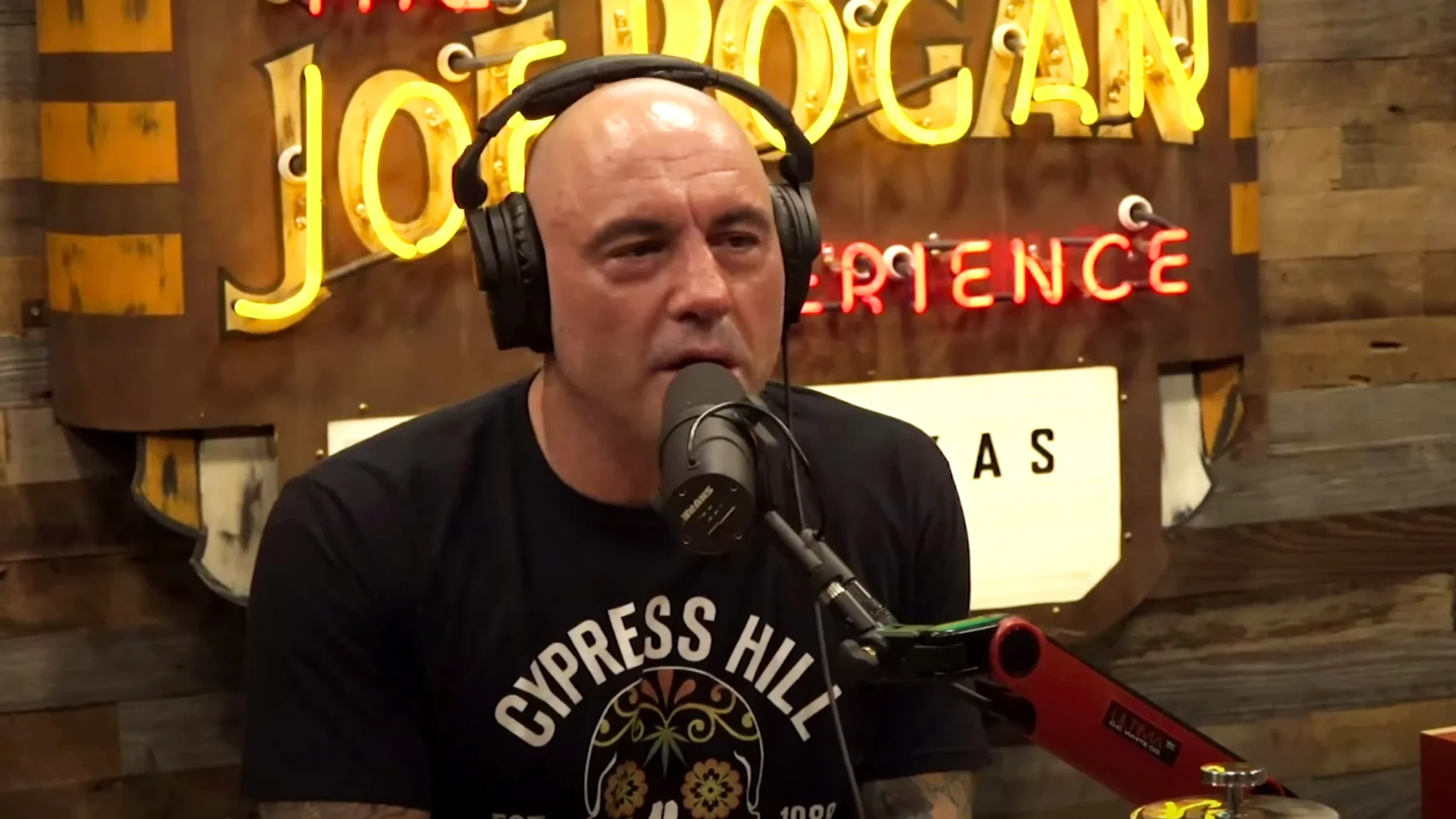
Podcasts use social media as a starting point, not an endpoint. Short clips on TikTok, YouTube Shorts, and Instagram Reels are designed to spark curiosity rather than deliver a complete experience. They often highlight an unfinished thought, a debate, or a moment that invites deeper listening.
When someone follows that curiosity to a full episode, the experience changes. Spending an hour or more with the same host allows listeners to absorb tone, personality, and perspective. Over time, repeated long-form exposure builds familiarity and trust. The podcast becomes part of a routine rather than an occasional diversion.
This is where podcasts excel. They convert casual discovery into habitual engagement. If you’re interested in related media shifts, you may also like our take on digital media trends.
Why Late-Night Clips Rarely Lead to Full Episodes
Late-night talk shows also thrive on social media, often generating millions or even billions of views across platforms. But those views rarely translate into full-episode consumption.
The reason lies in how late-night clips are constructed. Monologues, celebrity interviews, and comedy segments are edited to feel complete. The setup, punchline, and payoff are delivered quickly and efficiently. For the viewer, the moment feels finished.
Once the moment is consumed, there is little reason to keep going. The clip does not open a door; it closes the loop. Instead of functioning as a gateway to the long-form episode, the clip replaces it.
Short-form algorithms reinforce this behavior by encouraging constant scrolling. Even when the full episode is available with a single click, the surrounding environment nudges viewers toward the next clip instead of deeper engagement.
Why Streaming Didn’t Reverse the Trend
When late-night shows became available on streaming platforms, access improved dramatically. But access alone does not create loyalty.
Watching a full episode still requires focused attention and a conscious decision to disengage from other activities. In a media environment defined by multitasking, that level of commitment has become increasingly rare.
Emotional investment develops through repetition and time spent. Podcast listeners often spend multiple hours each week with the same voices, forming a sense of connection that feels personal and conversational. Late-night viewers, by contrast, often encounter hosts only in brief, highly produced moments designed for mass appeal rather than intimacy.
Streaming solved the scheduling problem. It did not solve the attachment problem.
Podcasts vs Late-Night Talk Shows: What Actually Changed
One of the most important differences between podcasts and late-night talk shows is where loyalty forms. Podcast audiences develop loyalty to hosts as individuals. Over time, listeners come to understand a host’s worldview, humor, and values. That familiarity creates long-term commitment.
Late-night clips create loyalty to moments. Viewers remember a joke, a guest, or a viral exchange, but not necessarily the episode, the network, or even the show itself. This fragmentation makes it difficult to build lasting viewing habits.
A Cultural Shift
This shift matters because it reflects a deeper change in how audiences relate to media. People are no longer organizing their lives around programming schedules. They are choosing formats that adapt to their routines, respect their attention, and reward long-term engagement.
Podcasts did not replace late-night talk shows overnight. They absorbed the audience behavior that late-night was slow to adapt to. As younger audiences moved away from linear television, podcasts offered an alternative that felt more flexible, more personal, and more compatible with everyday life.
The Real Difference
Late-night talk shows are not losing relevance because they lack talent, production value, or cultural importance. Both podcasts and late-night programs are long-form formats capable of depth and conversation. The difference is that podcasts align more closely with how people live today.
As audiences shifted away from scheduled television, they gravitated toward formats that offered flexibility, intimacy, and habit-forming engagement. Podcasts provided exactly that.
When you compare podcasts vs late-night talk shows, the outcome often comes down to habit and emotional investment. Late night can manufacture a moment. Podcasts build a relationship. And when you’ve watched the numbers long enough, you realize relationships don’t spike—they compound.