
Dumpster Fire Toy: The Comic-Con Story Behind the Viral Hit A few years ago at San Diego Comic-Con, the Dumpster Fire toy became impossible to ignore. ASIFA-Hollywood had a booth on the floor that was doing just fine. But right next to us was a booth doing gangbusters business. The entire time they were open, […]
The Dumpster Fire That Took Over Comic-Con
Dumpster Fire Toy: The Comic-Con Story Behind the Viral Hit
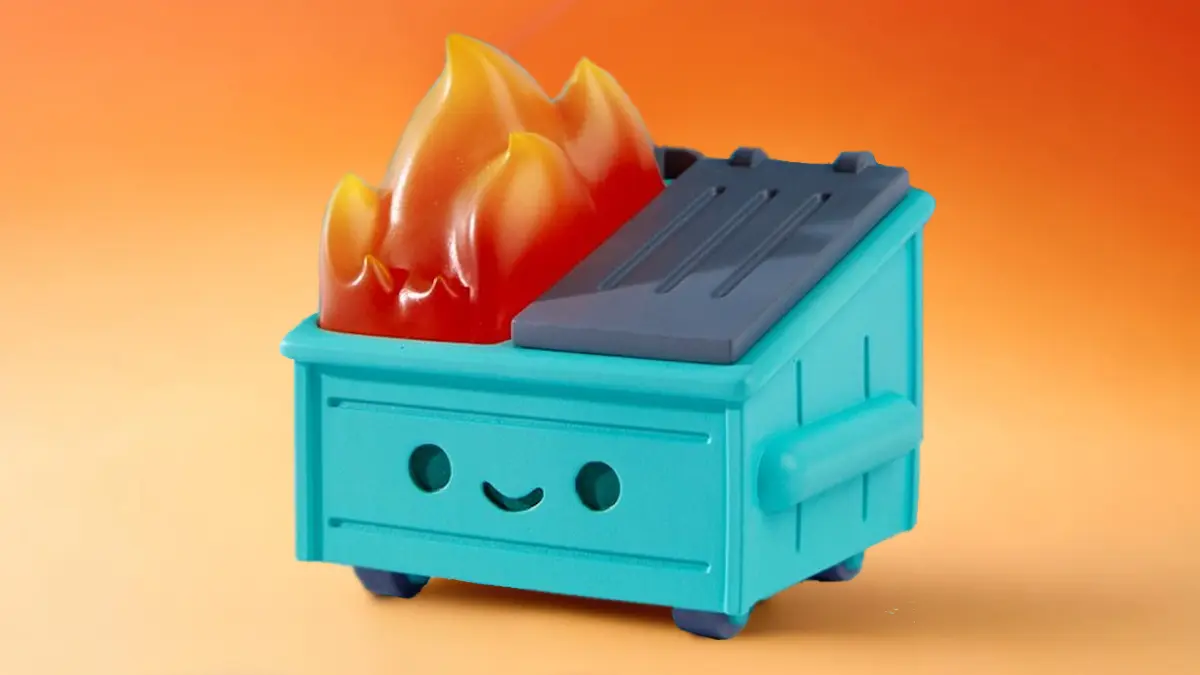
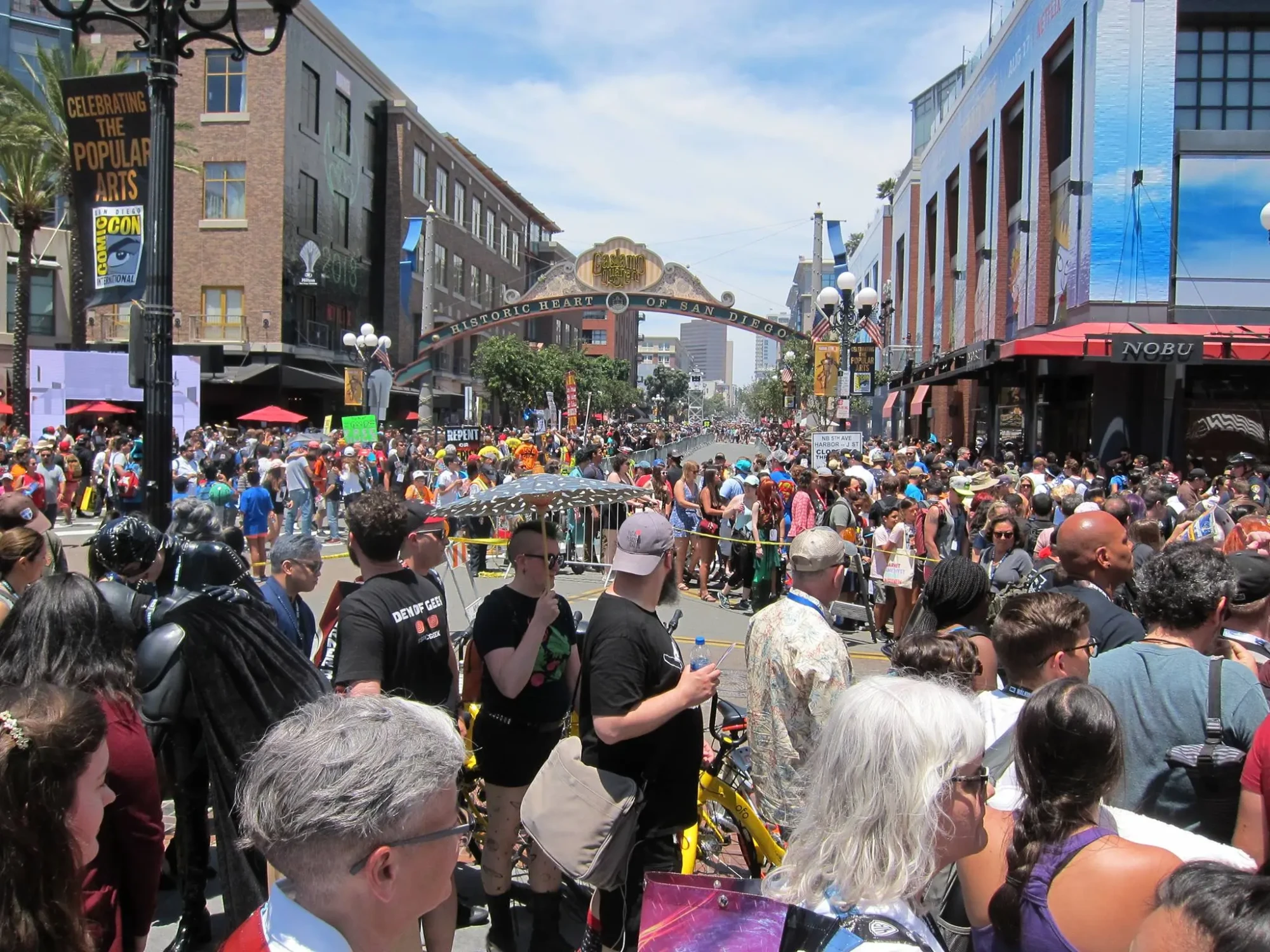
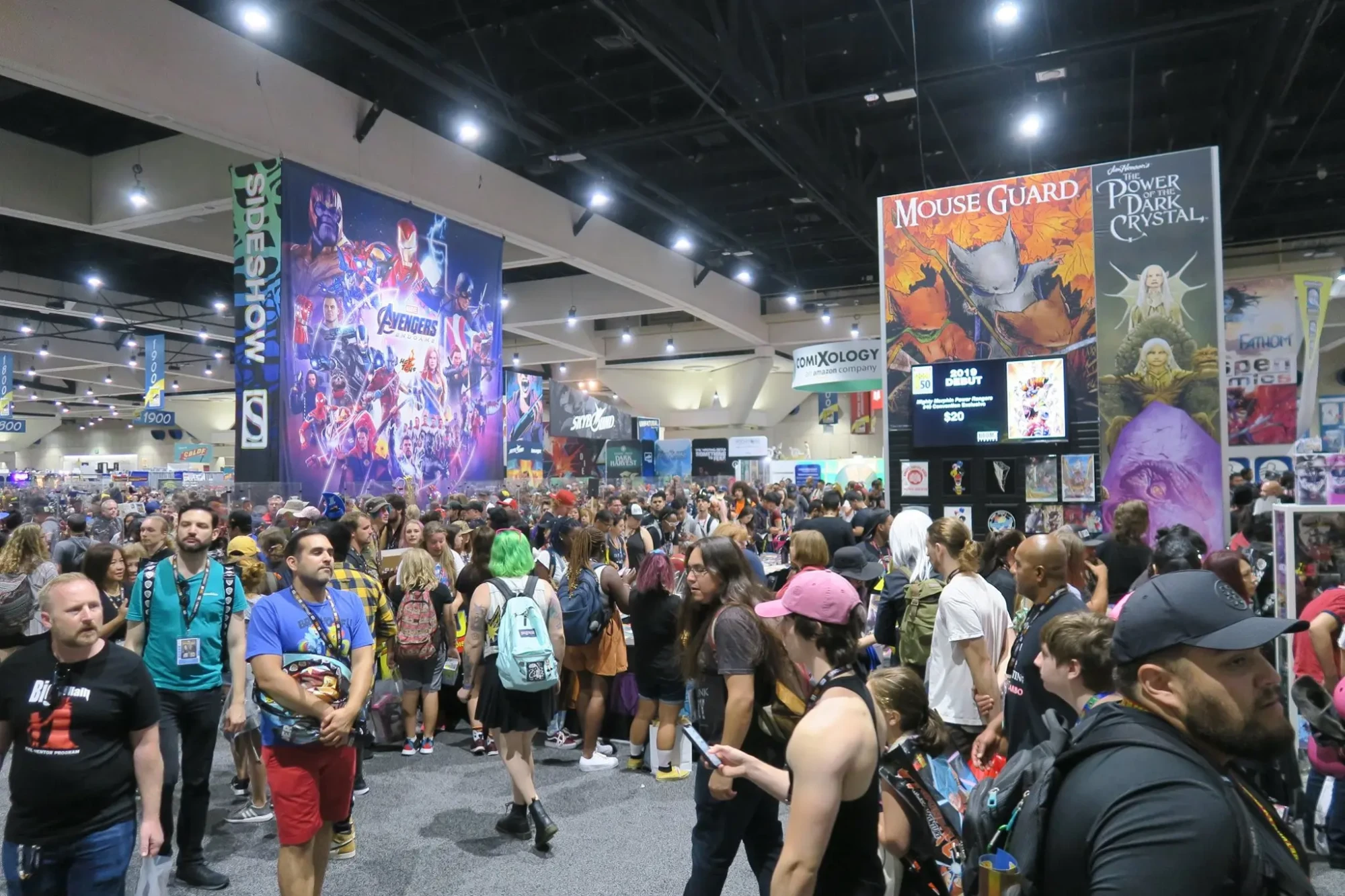
A few years ago at San Diego Comic-Con, the Dumpster Fire toy became impossible to ignore. ASIFA-Hollywood had a booth on the floor that was doing just fine. But right next to us was a booth doing gangbusters business. The entire time they were open, they had a long line wrapping around the aisle, and I couldn’t quite figure out what the draw was.
Naturally, I got curious. Throughout the day, I kept watching the line, trying to understand what people were lining up for and what their secret might be.
By the end of the first day—Wednesday night during Preview Night—I finally walked over and spoke with some of the folks there to see how things were going and, more importantly, what everyone was coming after.
That’s when they showed me a small toy they were selling called the “Dumpster Fire.”
It was simple, kind of funny… but clearly something bigger was going on.
Fast forward to 2026. With San Diego Comic-Con around the corner, my group met on Zoom to talk about what we want to accomplish this year. When the topic of merch came up, it immediately brought me back to that moment and that little toy with the massive line. So I decided to take a deeper look—what was the backstory, and what exactly made this thing so popular?
It turns out it’s a great case study in how something small can become a full-blown cultural moment.
It Didn’t Start as a Toy
What’s interesting is that the Dumpster Fire toy didn’t start as a toy at all.
It began as a simple animated GIF created by artist Truck Torrence, who runs the brand 100% Soft. The image, a smiling dumpster literally on fire, was meant as a reaction to the chaos of the news cycle and everyday life. People immediately connected with it, and it began to spread organically online.
Testing the Idea
From there, he tested the idea in a very low-risk way by turning it into enamel pins. That’s where things got interesting: people weren’t just liking the design—they were buying multiples. That was the signal that this idea had real traction beyond just being a meme.
Only after that validation did he take the bigger step of turning it into a collectible figure. The toy itself was relatively simple, but it worked because people already recognized it and had an emotional connection to it.
The Dumpster Fire Toy Comic-Con Breakout
Then came the key moment: Comic-Con.
By the time the Dumpster Fire toy showed up at San Diego Comic-Con, it already had buzz. Combine that with extremely limited quantities—sometimes just a handful available per day—and you had the perfect storm.
Long lines formed, it sold out almost instantly, and it became one of those “must-have” exclusives people were scrambling to get.
Why It Worked
So why did it work so well?
It wasn’t just the design—it was timing and relatability. The phrase “dumpster fire” already existed in the culture, but this gave it a visual identity. It captured a shared feeling—chaos, frustration, humor—in a way that was both funny and oddly comforting.
Add in scarcity and the energy of Comic-Con, and it turned into an event rather than just a product. The success of the Dumpster Fire toy shows how powerful that combination can be.
A Modern Cultural Path
In a way, it followed a very modern path:
meme → small product → audience validation → collectible → cultural moment
And the most important takeaway is this: the audience made it popular before the toy even existed.
The Bigger Lesson
It’s a great reminder that you don’t always need a massive brand or big IP to create demand. Sometimes the strongest ideas come from tapping into a shared feeling and letting the audience carry it forward.
This moment also connects to how we think about Comic-Con experiences as we continue building audience engagement.
That’s part of what makes this such a fun story. What looked at first like a small novelty item was really an example of how a simple idea, introduced at the right time and in the right way, can become something much bigger.
DerksWorld