
A real-world snapshot of how AI in business workflows is reshaping productivity, leadership, and the future of work. This conversation began over lunch. It was one of those rare discussions that cut through the noise. I sat with a couple of people who build and manage AI systems for large corporations, and we focused heavily […]
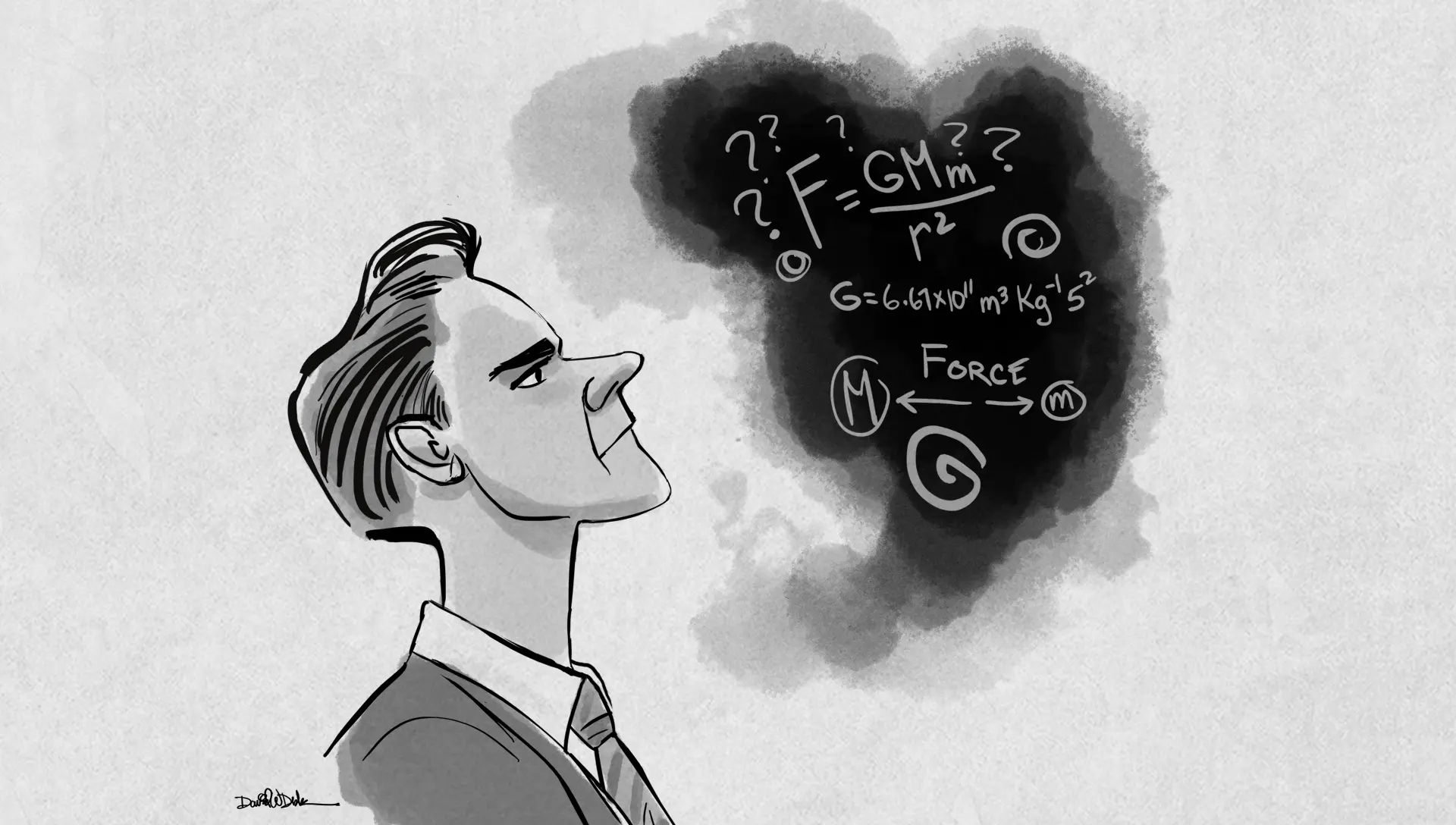
A real-world snapshot of how AI in business workflows is reshaping productivity, leadership, and the future of work.
This conversation began over lunch. It was one of those rare discussions that cut through the noise. I sat with a couple of people who build and manage AI systems for large corporations, and we focused heavily on one thing: how AI in business workflows is changing the way companies operate. While I often explore the artistic side of this shift, this conversation pulled me into the technical and operational reality behind it.
I love the creative world. However, I’m always looking for balance. Understanding how the business side works becomes important when technology starts reshaping it in real time. Business and art have always gone hand in hand. When they align, creative vision meets strong execution, and that’s where the magic happens.
Still, it helps to understand each side on its own. When you know how decisions get made and how systems operate, you see the full picture more clearly. Even if you don’t work in that space every day, it’s important to understand where things stand and where they may be headed.
“What’s true today may not be true tomorrow.”
That idea frames everything. What follows is not a conclusion. It’s a snapshot of a moment in time pulled from a conversation happening at the front lines of change.
View this post on Instagram
AI in Business Workflows: The Technical Shift
For this conversation, I set aside the artistic side. That world remains deeply tied to intellectual property, and those questions are still being explored. Instead, the focus here is on AI in business workflows, where change is happening fastest.
Companies are moving quickly, sometimes faster than they fully understand. Many are experimenting in real time, testing tools and adjusting workflows as they go. In some cases, that speed creates risk, especially when legal and ethical boundaries remain unclear.
At the same time, a familiar pattern emerges. Companies follow each other. When one adopts a new system, others move in the same direction.
“If one company is doing it, others feel they have to, whether or not it’s the right move.”
This momentum drives adoption. However, it also raises a more important question: not just what can be done, but what should be done.
View this post on Instagram
Efficiency and Productivity Gains in AI Workflows
From a technical standpoint, the impact becomes clear quickly. AI in business workflows reduces repetitive work. Tasks that once consumed hours can now be completed in minutes.
Leaders and entrepreneurs often get pulled into small operational tasks that can be disruptive to what is important. They review documents and revise details, and manage constant communication. While necessary, that work takes time away from strategy.
Now, that balance is shifting. As routine work decreases, leaders can focus on higher-level responsibilities, which include direction, relationships, and long-term thinking.
“When smaller tasks are handled more efficiently, leaders can spend more time actually leading.”
This doesn’t just increase output. It improves how time is used. In many cases, the goal is not replacement, but realignment.
View this post on Instagram
The Trade-Off of AI in Business Workflows
However, efficiency comes with a cost. As AI in business workflows streamlines operations, companies require fewer people for certain roles. Jobs built around repetition or support begin to shrink.
At the same time, new roles are emerging. However, they require different skills. This creates a gap—one that many workers are now navigating in real time.
“The benefit is efficiency. The cost is uncertainty.”
The concern isn’t just job loss. Its direction. People are asking where they fit in a system that continues to evolve.
Evaluating the Future of AI in Business Workflows
Right now, capability is outpacing understanding. Businesses are discovering what AI in business workflows can do, while workers are trying to understand what it means for their future.
The challenge isn’t just adoption, it’s intention. Companies must decide how to use these tools responsibly, not just efficiently.
“Just because something can be optimized doesn’t always mean it should be.”
The tools will continue to evolve. That part is certain. The real question is whether organizations can balance efficiency with responsibility as they move forward.
For a broader context on how technology is reshaping industries, see the World Economic Forum’s Future of Jobs Report.