Short Films That Launched Careers and Built Franchises
From two-minute nightmares to scrappy proofs-of-concept, these are the projects that didn’t just go viral. They changed how IP gets made.
From two-minute nightmares to scrappy proofs-of-concept, these are the projects that didn’t just go viral. Instead, they rewired careers, launched franchises, and quietly changed how IP gets made.
There’s a moment, right before something breaks through, when it still looks small. For example, it might be a dim hallway. Or a cheap camera. Sometimes, it’s just a scene that lasts less than three minutes.
At first glance, nothing about it screams “career-defining.” However, over the past two decades, a handful of these short films have done exactly that. Instead of following the rules, these filmmakers went around them. So what follows is more than a list. In fact, it’s a pattern. These five short films prove that an idea doesn’t need scale to matter. It just needs to land.
Why This Matters
Short films now function as proof-of-concept machines for Hollywood and streaming platforms.
Several modern filmmakers bypassed traditional gatekeepers by proving tone, vision, and audience appeal directly.
In many cases, a powerful short film can launch a franchise faster than a traditional pitch meeting.
The Shift
The modern short film is no longer just practice. It’s the trailer for a future career.
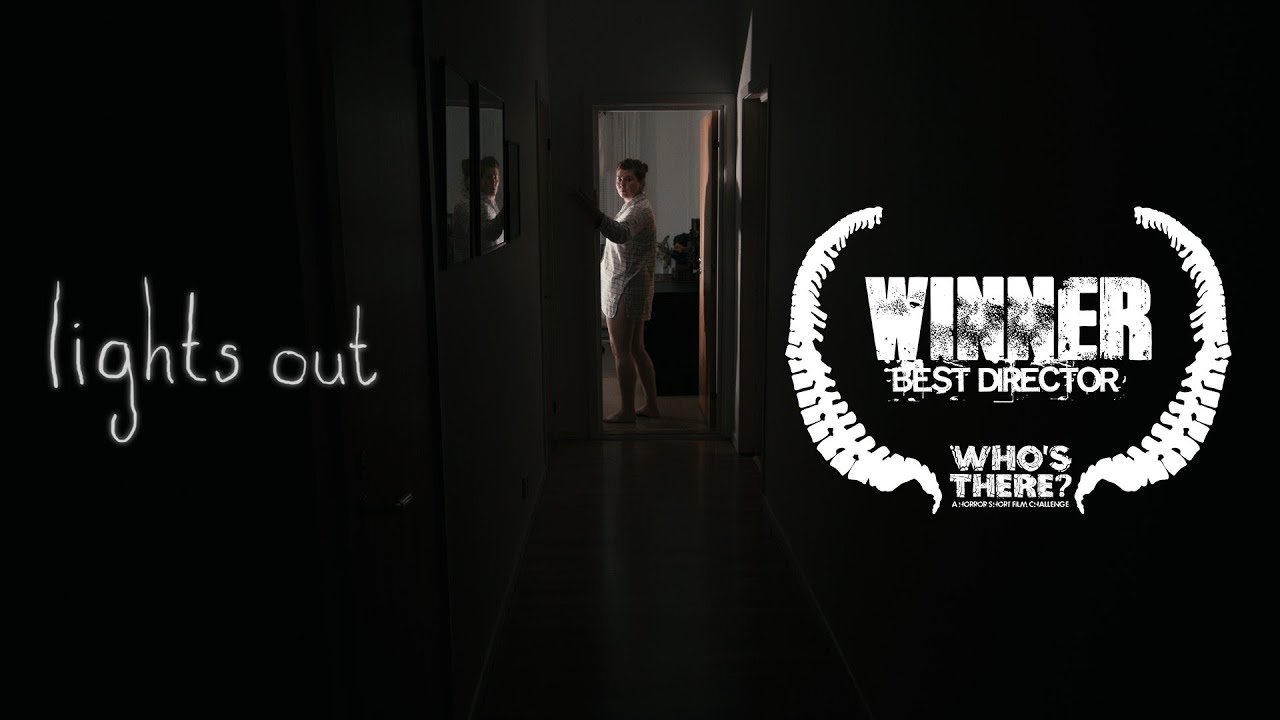
#1 — Lights Out (2013)
The two-minute horror film that turned a light switch into a franchise
At first, there’s almost nothing to it. And that’s exactly why it works.
A woman flicks a light switch. Off. Then on. Then off again. Each time, something appears a little closer. As a result, the tension builds fast.
What makes Lights Out so effective is its restraint. It focuses on one simple idea and executes it with precision.
You can explore the feature adaptation here: Lights Out (2016 film).
#2 — Mama (2008)
Three minutes of nightmare logic
While Lights Out is about precision, Mama is about presence.
The figure in the film moves wrong. That distortion becomes the horror itself.
Eventually, Guillermo del Toro saw the short and recognized its potential. From there, it expanded into a feature film.
#3 — Saw (2003 Short)
The proof-of-concept that built a billion-dollar horror machine
Unlike the others, Saw wasn’t designed to go viral. Instead, it was designed to convince producers.
That clarity changed everything.
#4 — Whiplash (2013 Short)
The festival short that became an Oscar-winning feature
Whiplash did not rely on spectacle. Instead, it relied on pressure, rhythm, and control.
The short premiered at Sundance and quickly secured funding for a feature adaptation.
#5 — Peluca (2003)
The awkward student short that quietly became Napoleon Dynamite
At first glance, Peluca feels small and strange.
However, that unusual rhythm became its strength. Instead of selling spectacle, it sold a voice.
The Real Takeaway
These films may look different on the surface, but they all prove the same thing.
A short film does not need scale to create impact. Instead, it needs clarity, tone, and a moment people remember.
That may be why short films have become one of the most powerful entry points into modern filmmaking.
FAQ: Short Films That Became Movies
What are short films that became movies?
Short films that became movies are proof-of-concept projects expanded into full-length feature films after gaining attention online or at festivals.
Can a short film lead to a Hollywood career?
Yes. Many directors have used short films to demonstrate style, storytelling, and audience appeal.
How do short films become feature films?
Short films become features when producers or investors recognize strong concepts, commercial potential, or audience response.