Glitch Productions and the Creator-Owned Future of Animation
How YouTube fandom, creator culture, and internet-native storytelling helped build one of the most fascinating independent animation studios online.
The Amazing Digital Circus did not arrive like a small independent animation experiment. It arrived like a cultural event.
Reaction videos spread across YouTube almost immediately. Fan art flooded social media. Characters became recognizable far outside animation circles. Millions of viewers who had never heard of Glitch Productions suddenly knew the name.
However, the most surprising part of the story was not simply the scale of the audience. It was where the show came from.
This was not Disney. It was not DreamWorks. It was not a major television network spending years developing a franchise behind closed doors. Instead, one of the biggest animation phenomena on the internet emerged from an independent Australian studio built through YouTube, creator culture, internet fandom, and years of direct audience connection.
That is what makes Glitch Productions so fascinating right now. The studio is not simply producing popular animated shows. It is helping prove that independent creators can now build studios on their own terms, own their audiences, and develop original animated worlds without waiting for traditional Hollywood gatekeepers to say yes.
Glitch Productions shows how animation can now begin with an audience instead of a network deal.
Its rise connects YouTube, fandom, merchandise, and creator-owned IP into a new kind of studio model.
For the animation industry, that shift is not just interesting. It may be structural.
The Shift
Animation studios no longer have to begin with a gatekeeper. They can begin with a community.
Glitch Productions did not begin with the traditional animation question: “Who will fund this?” It began with a much more modern one: “Who is already watching?”
Before Glitch Productions, There Was SMG4
To understand how Glitch Productions became one of the most talked-about independent animation studios online, you have to go back before the polished CGI productions, before the merchandise, and before The Amazing Digital Circus.
Long before Glitch existed as a studio brand, there was SMG4, the YouTube channel created by Luke Lerdwichagul.
The early videos were chaotic, absurd, fast-paced, and deeply connected to internet culture. Built using video game assets, meme humor, and rapid-fire editing, the channel developed a loyal online audience during a period when YouTube itself was still evolving into a major entertainment platform.
That early period mattered because it gave Glitch something most traditional studios spend millions trying to build: direct audience loyalty. Instead of spending years developing projects in private and hoping viewers eventually appear, the creators behind Glitch learned audience behavior in real time.
Every upload became a feedback loop. They learned pacing, internet humor, fandom behavior, and what kinds of characters audiences emotionally connect with online.
More importantly, they learned how to build community without relying on traditional distribution.
Building a Studio Instead of Just a Channel
Glitch Productions was officially founded in 2017 by brothers Kevin and Luke Lerdwichagul. At first glance, the move may have looked like a natural extension of their YouTube success.
However, in hindsight, it represented something much larger. The company was beginning to evolve from a creator channel into a full independent animation studio.
That transition is where the story becomes especially interesting. Plenty of creators build audiences online. Far fewer successfully transform those audiences into sustainable studios capable of producing original animated worlds.
Glitch did not simply continue making the same style of internet comedy forever. Instead, the company gradually reinvested into larger productions, more ambitious storytelling, stronger pipelines, and creator-led original IP.
Rather than abandoning the audience that helped build the brand, Glitch expanded alongside it.
Meta Runner Changed the Conversation
One of the company’s biggest turning points came with Meta Runner, Glitch’s first fully animated original series.
The project represented a major leap in both production quality and storytelling ambition. Suddenly, the studio was moving beyond internet sketch comedy into serialized storytelling with emotional arcs, cinematic visuals, and original world-building.
That shift mattered because it showed Glitch was not interested in staying a YouTube novelty. The studio wanted to compete creatively in animation itself.
At the same time, Meta Runner still felt connected to the internet-native culture that helped build the company. Gaming was not simply an aesthetic layer placed on top of the show. It felt embedded into the DNA of the storytelling itself.
That authenticity helped Glitch maintain its connection with younger online audiences while also expanding creatively.
Murder Drones and the Rise of Fandom-Driven Animation
Glitch’s momentum accelerated even further with Murder Drones, a darker science-fiction animated series created alongside Liam Vickers.
The show mixed horror, comedy, action, and stylized CGI in a way that felt tailor-made for internet fandom culture.
Viewers were not simply watching the series. They were participating in it. Fan art exploded online. Lore discussions spread across social media. Clips circulated rapidly. Merchandise became part of the fandom ecosystem.
In many ways, Murder Drones demonstrated one of the biggest strengths of creator-led studios: direct emotional engagement with highly online audiences.
For Glitch, fandom was not just a marketing tool. It became part of the infrastructure.
The Amazing Digital Circus Became the Breakthrough Moment
Then came The Amazing Digital Circus.
The series became one of the biggest independent animation launches on the internet almost immediately. Its strange combination of bright surrealism, underlying anxiety, internet humor, and emotional instability connected with audiences on an enormous scale.
The show felt playful on the surface, but underneath the visuals was a deeper reflection of online identity, performance, isolation, and digital culture itself.
What made the success especially significant was that it did not feel like a traditional studio attempting to imitate internet culture from the outside. It felt native to it.
Glitch Productions understood the rhythms of online audiences because the company itself had grown up online.
The Real Story Is the Business Model
The most important thing about Glitch Productions may not be any single show. The larger story is the model underneath the shows.
Traditional animation has usually depended on a long chain of approvals. Creators pitch executives. Networks decide what gets funded. Studios manage distribution. Audiences arrive at the end of the process after years of development.
Glitch reversed that structure.
The audience came first. The fandom came first. The creator identity came first. The studio emerged from that momentum instead of the other way around.
That shift represents something much larger happening across entertainment right now. Creator-led companies are beginning to function less like independent hobby projects and more like alternative media ecosystems.
In many ways, Glitch Productions represents what happens when internet-native creators become powerful enough to build animation studios rather than simply contribute content to someone else’s platform.
How Glitch Learned to Monetize Fandom
Merchandise Is Not Secondary Revenue Anymore
One of the most fascinating parts of Glitch Productions may be how openly the studio connects merchandise to the survival of its animation. In traditional entertainment models, merchandise usually arrives after success. It is treated as an extension of the brand, something that appears once the audience already exists.
However, Glitch appears to operate very differently, and that difference may be one of the most important parts of the company’s entire business model.
In one public statement, Glitch noted that roughly 80% of the funding for its productions comes directly from merchandise sales. That number is remarkable because it completely changes the relationship between fandom and animation itself.
Fans are not simply buying products connected to shows they enjoy. In many ways, they are helping sustain the productions they care about.
That model feels especially native to internet culture. YouTube helps build audience connection, emotional investment, meme culture, character attachment, and fandom identity. Merchandise then transforms that emotional connection into something capable of helping fund future productions.
In other words, the shows fuel the fandom, and the fandom helps fuel the studio.
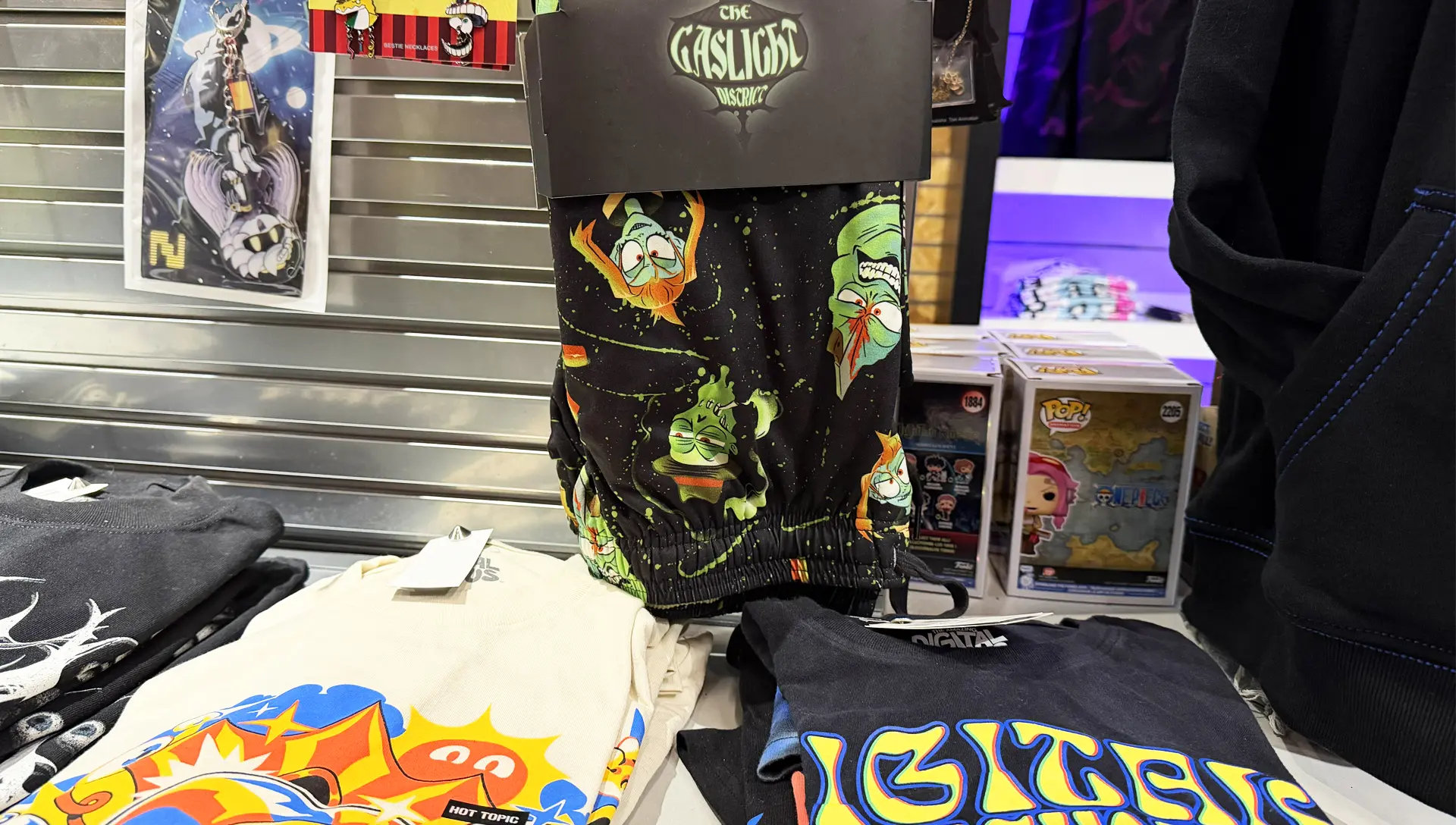
What makes the strategy especially smart is that Glitch seems to understand internet-native merchandising at a very deep level. These are not simply generic products with logos stamped across them.
The characters from The Amazing Digital Circus, Murder Drones, and other Glitch productions are visually recognizable almost instantly. They are expressive, memeable, emotionally exaggerated, and perfectly designed for online fandom circulation.
As a result, the merchandise becomes more than merchandise. Plushies, pins, apparel, reaction images, profile icons, collectibles, and cosplay accessories all become part of the audience’s online identity.
Fans are not simply consuming the brand. They are participating in it.
YouTube may be where the audience gathers, but merchandise is what helps keep the animation alive.
Perhaps most importantly, the barrier to entry is almost nonexistent. Glitch releases its projects freely on YouTube, allowing audiences around the world to immediately enter the fandom ecosystem.
Clips spread rapidly. Reaction channels amplify visibility. Fan art circulates across social media. Younger audiences discover the shows instantly without needing cable subscriptions or premium streaming access.
That accessibility matters because it expands the audience on an enormous scale, while the official Glitch merchandise store helps sustain the productions behind it.
In many ways, Glitch Productions appears to understand something traditional entertainment companies are still trying to adapt to: fandom itself can become part of the financing structure.
That is not simply smart merchandising. It represents a fundamentally different animation economy.
Why Glitch Productions Matters
For decades, animation was one of the hardest industries to enter independently. The costs were enormous. Distribution was tightly controlled. Even strong creators often needed approval from a relatively small group of studios and executives.
Those barriers still exist. Animation remains expensive and difficult. However, Glitch Productions demonstrates that the path itself is changing. Digital distribution, online fandoms, merchandise ecosystems, creator communities, and internet-native storytelling have opened a different route forward.
The YouTube Generation Is Changing Animation
Having spent nearly two decades around the animation industry, watching Glitch Productions emerge without the traditional layers of gatekeeping has been genuinely remarkable to see.
That does not mean independent production suddenly becomes easy. Animation is still extraordinarily difficult. Every studio has its own internal pressures, creative tensions, production realities, and growing pains.
From the outside, it is impossible to fully know how Glitch operates day to day or what challenges exist behind the scenes.
However, the outcome is difficult to ignore.
The studio has managed to create something many companies spend years chasing: genuine audience connection.
Perhaps most fascinating of all is where that connection is happening.
A generation that once would have discovered animated worlds primarily through cable television or heavily controlled studio pipelines is now finding them directly through YouTube, shared clips, reaction videos, fan communities, Discord servers, memes, and online fandom ecosystems.
That shift may ultimately become one of the defining animation stories of this era.
Traditional studios usually build infrastructure first and search for audiences later. Glitch Productions built the audience first, then constructed the studio around that momentum.
That is why Glitch Productions feels bigger than a single success story. The company represents a shift in how animated entertainment can now be built, distributed, and sustained.
With technology making it easier than ever for creators to showcase their voices on a global scale at the click of a mouse, the next generation of animation studios may not begin in traditional Hollywood boardrooms.
The future of animation may not be waiting for permission anymore.